
DR Congo: Ebola Outbreak Still Expanding, WHO Sees Signs of Stabilization
Introduction
The Democratic Republic of the Congo (DRC) has been grappling with multiple outbreaks of Ebola virus disease (EVD) since its discovery in the 1970s. Currently, the country faces an evolving situation: while the Ebola outbreak is still expanding, the World Health Organization (WHO) has observed signs of stabilization. This complex scenario raises questions about public health responses, resource allocation, and the lived experiences of communities affected by the outbreak.
The Current Situation of the Ebola Outbreak
As of the latest reports, the DRC is experiencing a continuation of Ebola cases, primarily in the Equateur province. The outbreak has been characterized by rapid transmission, with reported cases appearing in urban areas. According to the WHO, over 100 confirmed cases have emerged since the outbreak began, with a significant number leading to fatalities. The organization has prioritized early detection and response to prevent further escalation.
Understanding Ebola Virus Disease
Ebola virus disease is a severe illness with a high mortality rate, ranging from 25% to 90%, depending on the outbreak and the strain of the virus. The symptoms often appear abruptly and include fever, fatigue, vomiting, and hemorrhaging. The virus is transmitted through direct contact with bodily fluids of an infected person or animal, making containment efforts critical.
Signs and Symptoms
The initial symptoms of EVD can mimic many other infections, which complicates diagnosis and early intervention. Key symptoms include:
- Fever: A sudden onset of high fever is often the first sign.
- Severe Headache: Accompanied by muscle and joint pain.
- Weakness: Profound weakness and fatigue set in.
- Gastrointestinal Symptoms: Including vomiting and diarrhea.
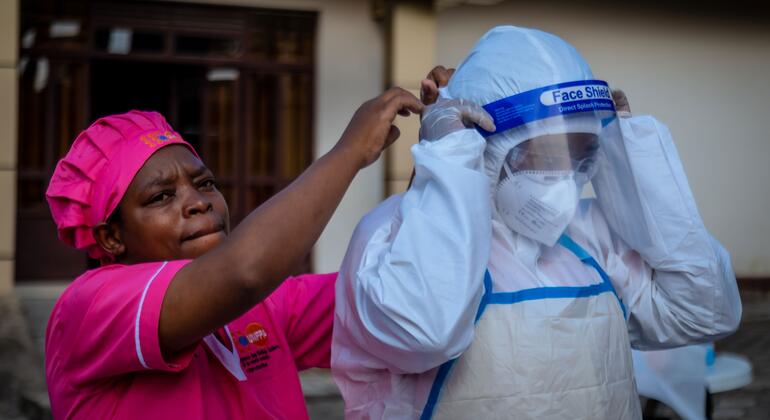
These symptoms can progress rapidly, and it is vital that health workers are equipped to identify and isolate suspected cases.
WHO’s Response and Stabilization Efforts
The WHO has mobilized its resources to help the DRC contain the outbreak. Support includes deploying experienced epidemiologists to assist in contact tracing, improving laboratory capabilities, and providing community health education.
Stabilization Indicators
Despite the troubling number of new cases, WHO officials have begun to observe certain signs of stabilization. These include:
- Improved Case Identification: More cases are being identified early, allowing for quicker isolation and treatment.
- Community Engagement: Increased awareness among local populations about the signs of Ebola has led to more individuals seeking help sooner.
- Effective Vaccination Campaigns: The efficacy of the Ebola vaccine has been proven in previous outbreaks, and the DRC is employing vaccination as a key strategy in the current campaign.
The WHO has reported a change in the transmission dynamics, indicating that while new cases continue to appear, the rate of new infections may be slowing as a result of these multifaceted interventions.
Challenges to Containment
Despite the positive signs, many challenges remain. The DRC is plagued by fragile healthcare infrastructure, which has struggled to cope with the dual burdens of Ebola and other endemic diseases such as malaria and cholera. Furthermore, local distrust in government and external health agencies can impede efforts to reach communities effectively.
Misinformation and Cultural Beliefs
Misinformation surrounding Ebola can exacerbate the outbreak. Cultural beliefs often shape how communities view illness and healthcare, leading to resistance against medical interventions. Outreach efforts must navigate these complex cultural landscapes by fostering transparent communication and building trust among local populations.
The Role of International Aid
Global partnerships are integral in combating outbreaks like Ebola. Organizations such as Médecins Sans Frontières (MSF), the Red Cross, and various NGOs play critical roles in frontline health responses. They not only provide medical assistance but also help to educate communities on prevention and treatment options.
The Importance of Funding
Financial resources are crucial for any successful outbreak response. The international community must recognize the needs of the DRC and ensure that funding is directed toward sustainable healthcare improvements, not just emergency response. Investing in healthcare infrastructure will be essential in reducing the risk of future outbreaks.
Community Engagement: A Key to Success
Community involvement is vital in the fight against Ebola. Initiatives that engage community leaders, use local language, and incorporate traditional practices can help mitigate resistance to healthcare interventions.
Training Local Health Workers
Training local health workers to identify and manage suspected Ebola cases is crucial. These individuals play an essential role in bridging the gap between healthcare providers and the community. Empowered health workers can enhance local capacities for early detection and reporting.
Reflections from Affected Communities
The voices from affected communities should always be at the forefront of health discussions. Individuals living in outbreak zones often provide insights that can shape effective response strategies. Listening to their needs and concerns creates a more holistic approach to managing the outbreak.
Mental Health Impacts
Beyond physical health, the psychological toll of an Ebola outbreak can be severe. Stigmatization, loss of loved ones, grief, and trauma can lead to longer-term mental health issues among survivors and their families. Addressing these needs is essential in recovery efforts.
Moving Forward: Lessons Learned
The DRC’s ongoing struggle with Ebola provides critical lessons for future outbreak responses. Key takeaways include:
- Preparedness is Essential: Building stronger health systems to prevent the spread of infectious diseases is vital.
- Community Trust: Establishing and maintaining trust within communities can significantly affect health outcomes.
- Global Cooperation: Collaborative efforts among international, national, and local stakeholders can lead to more effective responses.
Conclusion
While the Ebola outbreak in the DRC continues to present challenges, there are also signs of stabilization, thanks in large part to the diligent efforts of WHO, local health workers, and communities. By focusing on early detection, effective communication, community involvement, and strengthening healthcare systems, the DRC can work towards controlling and eventually eradicating the current outbreak. Long-term investments in public health will be essential to ensure that the DRC is prepared for whatever challenges lie ahead, safeguarding the health of its people.
For more details and the full reference, visit the source link below:
Read the complete article here: https://news.un.org/feed/view/en/story/2026/07/1167983