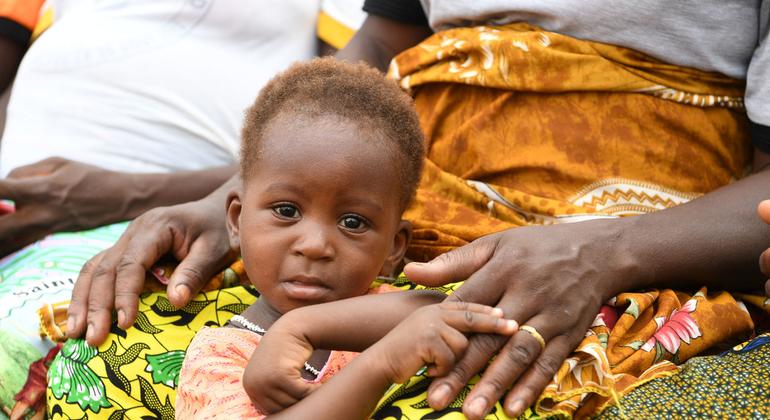

Central Sahel: A Humanitarian Crisis for Millions of Children
Introduction: The Growing Crisis
Central Sahel, comprising countries such as Burkina Faso, Mali, and Niger, is currently facing a severe humanitarian crisis that has escalated significantly in recent years. Millions of children in this region are suffering due to conflict, displacement, and environmental challenges. According to UNICEF officials, urgent action is needed to address the escalating needs of these vulnerable populations.
Understanding the Humanitarian Needs
Current Situation
As UNICEF highlights, the humanitarian landscape in Central Sahel has deteriorated alarmingly. An estimated nearly 20 million people in the region require urgent humanitarian assistance, with over 10 million children being adversely affected. This crisis stems from multiple sources, including armed conflict, climate change, and widespread poverty.
Conflict and Displacement
One of the primary drivers of the crisis in Central Sahel is the ongoing conflict. Armed groups are perpetuating violence, driving displacement, and creating a climate of fear. Over 2 million people have been displaced internally due to violence, significantly affecting children’s access to education, healthcare, and basic necessities.
Climate Change and Food Insecurity
In addition to conflict, climate change plays a crucial role in exacerbating the humanitarian situation. Erratic rainfall patterns, prolonged droughts, and desertification have led to catastrophic crop failures. This has resulted in food insecurity for millions of families, pushing children further into poverty and malnutrition.
The Impact on Children
Education Disruption
The ongoing crisis in Central Sahel has severely disrupted education for countless children. Schools are often forced to close due to violence, leading to a significant drop in enrollment rates. With over 3 million children out of school, the long-term effects on their future are dire. Education is crucial for breaking the cycle of poverty, and without it, these children face a bleak future.
Health Risks and Malnutrition
Children in Central Sahel are facing alarming health risks due to malnutrition and inadequate healthcare services. According to UNICEF, approximately 2.5 million children in the region are expected to suffer from acute malnutrition this year alone. The combination of food insecurity and lack of access to healthcare poses significant risks, including stunted growth and increased morbidity from preventable diseases.
Psychological Trauma
The psychological impact on children exposed to violence, displacement, and loss is profound. Many suffer from trauma and mental health issues caused by their experiences. Intervention and support are essential to help these children heal and cope with their circumstances.
UNICEF’s Response: Urgent Action Required
Humanitarian Assistance
UNICEF plays a pivotal role in responding to the humanitarian needs of children in Central Sahel. Their initiatives focus on providing life-saving assistance, including nutrition support, education, healthcare, and protection services. UNICEF’s commitment to addressing these urgent needs is crucial for the survival and development of affected children.
Community-Based Solutions
UNICEF recognizes that long-term solutions are essential for sustainable development. By working closely with local communities, UNICEF aims to empower families and equip them with the tools they need to withstand future crises. Community engagement and collaboration are vital for building resilience in the face of adversity.
Advocacy and Fundraising
UNICEF emphasizes the need for increased funding and global attention toward the humanitarian crisis in Central Sahel. Advocacy for the funding of humanitarian aid is crucial, as financial resources directly impact the ability to provide essential services and support to vulnerable children.
Global Responsibility: What Can be Done?
Increased International Aid
The international community must step up efforts to support humanitarian relief in Central Sahel. Increased funding and resources can significantly alleviate the suffering experienced by millions of children and their families. This is a collective responsibility that requires the involvement of governments, NGOs, and citizens worldwide.
Policy Changes for Conflict Resolution
Addressing the root causes of conflict is essential for long-term stability and peace in the region. International diplomatic efforts must focus on promoting dialogue and seeking sustainable solutions to the conflicts that are devastating lives in Central Sahel.
Climate Action
Given the significant role that climate change plays in exacerbating the humanitarian crisis, it is imperative for global leaders to take concrete action to combat climate change. Investments in sustainable agriculture, water management, and climate-resilient infrastructure can help communities adapt to changing environmental conditions.
Conclusion: The Time to Act is Now
The humanitarian crisis in Central Sahel is a complex issue with far-reaching impacts on millions of children. Immediate and sustained action is necessary to address their needs and ensure a brighter future for the next generation. UNICEF continues to lead efforts on the ground, but global support is paramount. As citizens of the world, we have a moral obligation to advocate for the rights and needs of the most vulnerable—our children in Central Sahel. Together, we can make a difference.
By raising awareness and directing aid to the region, we can help millions of children receive the support they urgently need. The time to act is now—let us stand in solidarity with those who need it most.
For more details and the full reference, visit the source link below:
Read the complete article here: https://news.un.org/feed/view/en/story/2026/04/1167385