
Looted Gold and Gum Arabic: The Financing of Sudan’s Ongoing War
Introduction
Sudan, a nation rich in natural resources, is currently embroiled in a devastating conflict that has resulted in significant humanitarian crises. Among the key players in this turmoil are looted gold and gum arabic, both of which are being exploited to finance warfare. According to the United Nations, these commodities are vital in sustaining armed groups and perpetuating violence, leading to calls for international intervention and regulatory measures.
The Context of Sudan’s Conflict
Sudan has faced internal strife for decades, characterized by civil wars, rebellions, and political instability. The most recent conflict erupted following a coup in October 2021, which exacerbated existing tensions between various factions, including military leaders and civilian groups. The situation has deteriorated into a full-blown humanitarian crisis, with millions displaced and in desperate need of food, medical care, and shelter.
Looted Gold: A Valuable Resource
The Rise of Gold Mining in Sudan
Sudan is one of the largest producers of gold in Africa, with estimates suggesting that it could potentially yield up to 100 tons annually. The gold mining sector has attracted both legal and illegal operations, with unregulated mining leading to widespread corruption and environmental degradation. The proliferation of artisanal mining has posed challenges for the government, as many miners operate outside the law and often fund armed groups.
Financing Armed Groups
Looted gold has become a primary driver of funding for various militant factions in Sudan. Reports indicate that armed groups are seizing control of gold mining operations and funneling profits into their military campaigns. The lack of oversight in the gold trade makes it challenging for authorities to track the sources of financing, allowing these groups to thrive.
Global Market Dynamics
The global demand for gold exacerbates the situation as illegal gold from conflict zones often enters the market unnoticed. Sudan’s gold is marketed internationally, and the revenues generated have a direct impact on the ongoing war. As gold prices rise, the incentive for illegal mining and trade increases, further complicating efforts to restore peace.
The Role of Gum Arabic
What is Gum Arabic?
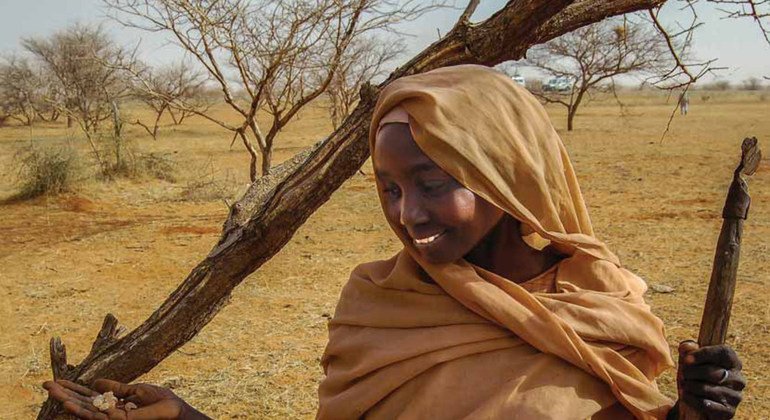
Gum arabic, a gum obtained from the acacia tree, is another lucrative resource native to Sudan. Used mainly in the food and pharmaceutical industries, Sudan produces about 70% of the world’s supply of gum arabic. The commodity is highly sought after in international markets, making it a lucrative target for groups looking to fund their operations.
Financing Mechanisms
Similar to gold, gum arabic has been used to finance armed conflict in Sudan. Control over gum arabic production and trade allows armed groups to generate significant revenue, often at the expense of local communities. This financial influx enables them to procure weapons and sustain their operations, prolonging the conflict and suffering.
The Human Cost
Displaced Populations
The ongoing war in Sudan has resulted in the displacement of millions. Families are uprooted from their homes as armed groups vie for control over territories rich in gold and gum arabic. Health care, education, and basic services are severely disrupted, exacerbating the humanitarian crisis.
Child Soldiers and Recruitment
The conflict has also contributed to the recruitment of child soldiers. Armed factions often target young boys and girls, offering them food, money, or protection. This exploitation not only robs children of their childhood but also perpetuates the cycle of violence in Sudan.
Calls for International Intervention
The UN’s Warning
The United Nations has sounded alarms over the potential for looted gold and gum arabic to finance ongoing violence in Sudan. They emphasize the need for international communities to take concerted action to regulate the trade and halt the flow of finances to armed groups. The UN Security Council has called for sanctions and regulations aimed at breaking the link between natural resource exploitation and conflict.
Regulatory Measures
There are calls for comprehensive regulatory frameworks that manage both the gold and gum arabic trades effectively. This could include implementing traceability measures that allow consumers and companies to track the origins of these commodities, ensuring they are sourced ethically and legally.
The Path Forward
Empowering Local Communities
Strengthening local communities is crucial in combating the financing of war through natural resources. Initiatives aimed at providing education and alternative livelihoods can reduce dependency on resource extraction for income. Support for small-scale, legal mining operations can also mitigate the influence of armed groups.
International Cooperation
International cooperation is essential to address the root causes of conflict financing in Sudan. Governments, NGOs, and private sector actors must work together to create a sustainable framework that safeguards human rights and promotes peace.
Conclusion
The complex interplay of looted gold and gum arabic in the Sudanese conflict underscores the dire need for international attention and intervention. As long as these resources continue to finance warfare, the cycle of violence, displacement, and humanitarian crisis will persist. Effective regulatory measures and a cooperative international stance are essential to dismantle the financial networks that empower armed groups and perpetuate the conflict. Ensuring that the rich natural resources of Sudan serve its people rather than fund violence is a critical and urgent goal for the international community.
For more details and the full reference, visit the source link below:
Read the complete article here: https://news.un.org/feed/view/en/story/2026/07/1167944