
UN Chief Urges Iran and US to Urgently Resume Negotiations as Gulf Strikes Escalate
Introduction
In a world where geopolitical tensions dictate global stability, the recent escalation of strikes in the Gulf region has caught the attention of the United Nations (UN). The UN Secretary-General has called for an urgent resumption of negotiations between Iran and the United States. This plea comes amidst fears that the ongoing conflicts could spiral into a full-blown crisis. In this article, we will delve into the implications of this appeal, the specific issues at stake, and why diplomatic talks are essential for peace in the Gulf.
The Current Situation in the Gulf
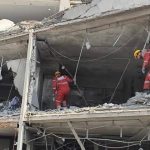
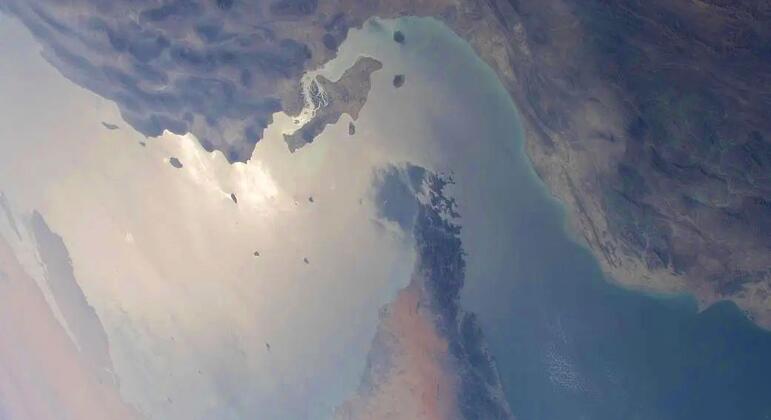
The Gulf region has been marred by escalating strikes and military confrontations, primarily driven by tensions between Iran and the U.S. The unfolding crisis poses a severe threat to regional and global security. In recent months, incidents involving missile launches, drone strikes, and clashes between military units have increased alarmingly. These actions not only endanger the nations involved but also jeopardize the interests of other countries relying on stable Gulf operations.
The UN’s Role in Mediating International Conflicts
The United Nations has long been recognized as a pivotal player in mediating international disputes. Through its various organs and agencies, the UN facilitates dialogue and seeks to maintain peace. The urgency of resuming negotiations between Iran and the U.S. highlights the UN’s commitment to upholding international peace and security. It reiterates the belief that dialogue is the most effective method for resolving conflicts.
Why Resuming Negotiations is Imperative
Easing Regional Tensions
One of the most pressing reasons for the U.N. call to action is the need to ease regional tensions. As confrontations escalate, the risk of miscalculations increases, which can lead to widespread conflict. An urgent diplomatic dialogue could help de-escalate current hostilities and promote a more stable environment in the Gulf region.
Addressing Nuclear Concerns
The nuclear agreement, known as the Joint Comprehensive Plan of Action (JCPOA), aimed to limit Iran’s nuclear capabilities. However, since the U.S. withdrew from the agreement in 2018, Iran has ramped up its nuclear activities, raising alarm not just in the U.S. but globally. Resuming negotiations would address vital concerns over nuclear proliferation, safeguarding against potential disasters.
Impact on Global Oil Markets
The Gulf region is a crucial hub for oil production, and any instability here can send shockwaves through global oil markets. An escalation in conflict could lead to disruptions in oil supply, causing prices to soar and harming economies worldwide. Negotiating peace and stability in the region would ultimately benefit the global economy by keeping oil prices in check and ensuring uninterrupted supply chains.
The Role of Key Stakeholders
Iran’s Position
Iran has repeatedly expressed its desire for a diplomatic resolution but remains adamant that discussions should respect its sovereignty and regional influence. As a nation that feels threatened by external pressures, Iran’s willingness to engage in negotiations hinges on the assurance of its interests being prioritized.
The US’s Stance
The U.S. government has emphasized its commitment to preventing Iran from obtaining nuclear weapons while simultaneously advocating for a renewed dialogue framework. However, the challenge lies in striking a balance between exerting pressure and being open to negotiations.
The Gulf States
The nations within the Gulf Cooperation Council (GCC) also play a critical role in this equation. Their collective interests must be taken into account, especially as they are significantly affected by instability in the region. Countries like Saudi Arabia and the UAE have their perspectives, and their involvement in negotiations would be essential to creating a comprehensive peace framework.
Challenges in Resuming Negotiations
Distrust Between Parties
Long-standing animosities and distrust between Iran and the U.S. pose significant barriers to resuming negotiations. Previous diplomatic efforts have often been sabotaged, making it difficult for both sides to approach talks without skepticism.
Influence of External Players
The role of other international players, such as Russia and China, also complicates the landscape. Their interests in the region can both positively and negatively influence the dynamics of U.S.-Iran negotiations, making it essential for the UN to foster an environment conducive to dialogue.
The Implications of Inaction
Failure to resume negotiations could lead to disastrous consequences. An escalation of strikes could result in a military confrontation that would disrupt not just the Gulf region but the entire world. The humanitarian impact would be catastrophic, and the economic fallout would reverberate across borders.
Conclusion
The UN chief’s urgent call for the resumption of negotiations between Iran and the U.S. is not merely an appeal for dialogue; it is a critical step toward preventing larger-scale conflict. As tensions in the Gulf region escalate, the importance of diplomacy cannot be overstated. Engaging in negotiations serves not only the interests of the involved parties but also upholds global peace and security.
Taking Action
As citizens of the world, we must advocate for the pursuit of peace and the significance of dialogue in solving geopolitical issues. The international community must support the UN’s efforts and encourage both Iran and the U.S. to come to the negotiating table, ensuring a brighter, more stable future for the Gulf and beyond.
Related Keywords for SEO:
- Iran-US negotiations
- Gulf strikes
- UN peace efforts
- JCPOA nuclear agreement
- Middle East conflict resolution
- Global oil markets stability
- Iran-U.S. diplomatic relations
By focusing on these themes, this article aims to rank well in search engines and disseminate crucial information regarding the escalating tensions in the Gulf and the UN’s role in promoting dialogue.
For more details and the full reference, visit the source link below:
Read the complete article here: https://news.un.org/feed/view/en/story/2026/07/1167923