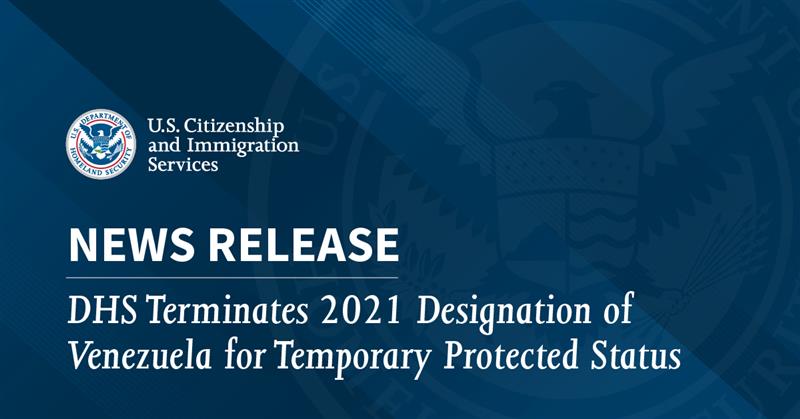

DHS Terminates 2021 Designation of Venezuela for Temporary Protected Status
Introduction
In a significant policy move, the Department of Homeland Security (DHS) has announced the termination of the Temporary Protected Status (TPS) designation for Venezuelans that had been established in 2021. This change has critical implications for many Venezuelan nationals living in the United States. This article explores the reasons behind this decision, the effects on Venezuelan immigrants, and alternative pathways for those affected.
Understanding Temporary Protected Status (TPS)
Temporary Protected Status (TPS) is a humanitarian program established in the United States that allows individuals from certain countries experiencing ongoing conflict, environmental disasters, or extraordinary conditions to remain in the U.S. without the fear of deportation. TPS provides eligible individuals work authorization and safeguards against removal.
Venezuela’s 2021 TPS Designation
In March 2021, the Biden administration announced TPS for Venezuelans, acknowledging the dire political, economic, and humanitarian crisis plaguing the country. This designation allowed Venezuelan nationals who were in the U.S. as of March 8, 2021, to apply for TPS, enabling them to remain and work legally while conditions in their homeland remained unstable.
The Termination of TPS for Venezuelans
A Shift in Policy
The recent announcement from the DHS indicates a shift in policy regarding TPS for Venezuelans. The termination of the TPS designation raises questions and concerns among affected individuals and communities. The DHS reports that conditions in Venezuela may have improved, prompting the change in policy.
Factors Influencing the Decision
The decision to terminate TPS is driven by several factors, including:
-
Political Climate: The U.S. government’s assessment of the political situation in Venezuela plays a crucial role in TPS designations. The Biden administration states that while challenges remain, there have been positive changes in governance and stability.
-
Economic Recovery: Some reports indicate signs of economic recovery in Venezuela. This perception could influence the belief that Venezuelans could safely return to their home country.
-
International Relations: Changes in diplomatic relations between the U.S. and Venezuela may also impact administrative policy. Engaging Venezuelan leadership could signal a shift that aligns with broader U.S. foreign policy interests.
Impact on Venezuelan Immigrants
Legal Ramifications
The termination of TPS marks a substantial legal shift for thousands of Venezuelan nationals who have relied on this protection. Many individuals are left uncertain about their immigration status, and the fear of deportation looms large.
Employment and Financial Stability
With TPS ending, many Venezuelans may lose their work authorizations, jeopardizing their ability to support their families and maintain a stable livelihood. This financial uncertainty could lead to increased struggles for individuals who have built lives in the U.S. but are now facing an uncertain future.
Community Consequences
The Venezuelan diaspora in the U.S. has established vibrant communities, contributing to the cultural tapestry of the nation. The termination of TPS may disrupt these communities, leading to potential dislocations and emotional distress among individuals and families.
Alternatives for Affected Venezuelans
While the termination of TPS is a significant setback, there may still be options available for affected Venezuelans seeking to secure their status in the U.S.
Asylum Applications
For many, pursuing asylum may be a viable alternative. Given the ongoing crisis in Venezuela, individuals may qualify for asylum based on political persecution, violence, or other threats to their safety. Those who can provide compelling evidence of a well-founded fear of persecution may find refuge through the asylum process.
Family-Based Immigration
Another pathway is through family-sponsored immigration. U.S. citizens and lawful permanent residents can sponsor eligible relatives, potentially providing a route to secure residency.
Adjustment of Status
Some Venezuelans may qualify for adjustment of status if they have eligible family members or employment opportunities. This option allows individuals to shift from non-immigrant status to immigrant status, providing a pathway to lawful permanent residency.
Advocacy and Support
Community Organizations
Numerous organizations advocate for the rights and protections of Venezuelan immigrants. These groups offer legal assistance, resources, and support for navigating the complex immigration landscape. Connecting with local organizations can provide valuable guidance on possible next steps.
Legal Resources
Seeking legal counsel is crucial for those affected by the termination of TPS. Immigration attorneys can assess individual cases and recommend the best course of action, whether through asylum, adjustment of status, or other forms of relief.
Legislative Advocacy
Community members can advocate for legislative changes to extend TPS or create new protective measures for Venezuelans. Engaging with policymakers and raising awareness about the plight of Venezuelan nationals can potentially influence future decisions.
Conclusion
The termination of the 2021 designation of Temporary Protected Status for Venezuelans marks a significant shift in U.S. immigration policy. While this change brings apprehension and uncertainty, it is crucial for affected individuals to explore alternative pathways for legal status. Engaging with community organizations, seeking legal assistance, and advocating for policy change can offer hope and direction during this challenging time. The experiences and contributions of Venezuelan immigrants are invaluable to the fabric of American society, making it imperative that they find a way forward.
For more details and the full reference, visit the source link below: