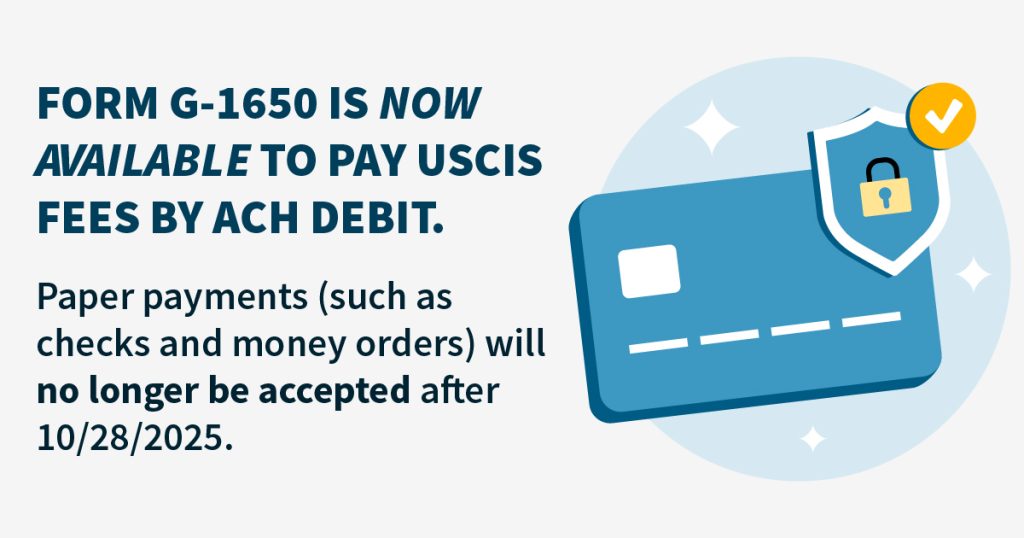

USCIS to Modernize Fee Payments with Electronic Funds
The United States Citizenship and Immigration Services (USCIS) plays a crucial role in managing the immigration process for millions of people each year. As technology advances, the agency is committed to modernizing its operations, particularly concerning fee payments. The shift to electronic funds for fee transactions promises to streamline processes and enhance user experience. This article explores the significance of this transition, benefits to applicants, potential challenges, and its broader implications on the immigration landscape.
Understanding USCIS Fee Payments
Historical Context
For years, USCIS has relied on traditional methods for processing fee payments, including checks and money orders. This method, while functional, has often resulted in delays due to mailing times and check processing. Additionally, applicants who made errors in payment submissions faced further complications, leading to increased wait times and frustration.
The Need for Modernization
With the rise of digital solutions in various aspects of life, the demand for efficient and user-friendly payment systems has grown considerably. Global trends indicate a shift toward electronic transactions, emphasizing convenience and speed. USCIS recognizes this shift and aims to adapt accordingly.
The Transition to Electronic Funds
Introduction of Electronic Funds Payments
USCIS will introduce a system that allows applicants to pay their fees electronically using various methods, such as credit or debit cards, bank transfers, and online payment platforms. This change not only aligns with consumer expectations but also streamlines internal processes, allowing for quicker processing of applications.
Implementation Timeline
While specific dates remain tentative, USCIS has publicly committed to rolling out electronic payment options over the next few years. This gradual implementation allows the agency to troubleshoot challenges and provide ample resources for applicants to acclimate to the new system.
Benefits of Electronic Payments
Enhanced Efficiency
One of the most apparent advantages of adopting electronic funds is the increased efficiency in processing applications. Electronic payments can be verified in real time, reducing the backlog associated with traditional methods. Applicants can receive immediate confirmation of their payment, significantly shortening the waiting process.
Improved Accessibility
Electronic payments can make it easier for people to access the immigration process. With the option to pay online, applicants are no longer restricted to mailing checks or visiting specific locations. This flexibility accommodates individuals in remote areas or those who may have transportation challenges.
Enhanced Security
Electronic payment systems often incorporate advanced security features that protect sensitive personal and financial information. This added layer of security helps safeguard against fraud and ensures that applicants can trust the payment process.
Tracking and Transparency
Digital payment options allow applicants to track their payment history directly through their USCIS account. This transparency reduces confusion about payment statuses and enables applicants to take action quickly if there are issues.
Potential Challenges
Technical Barriers
While electronic funds provide numerous benefits, some applicants may face technical challenges. Individuals without reliable internet access or those who are less familiar with technology could find it difficult to utilize electronic payment systems. USCIS will need to consider these factors in its rollout to ensure that all applicants can access the services they need.
Transition Period
During the transition to electronic payments, USCIS may encounter a variety of hurdles, from technical glitches to training staff on new systems. This period could lead to temporary delays, which might affect applicants who are eager to complete their processes.
Security Concerns
As with any digital system, the risk of cyber threats remains a concern. It is essential for USCIS to invest in robust cybersecurity measures to protect applicants’ personal and financial information. Any breaches could have significant consequences for user trust and overall agency credibility.
Broader Implications on the Immigration Process
Impact on Application Processing Times
The introduction of electronic funds is poised to have a lasting effect on the speed at which applications are processed. With a more efficient payment system in place, applicants may experience reduced wait times, enhancing their overall immigration experience. This change could lead to a more responsive and streamlined immigration system, critical in managing the demands on immigration services.
Encouraging Compliance
A modernized fee payment system could encourage compliance among applicants. Electronic funds simplify the process and minimize errors, making it easier for individuals to fulfill their payment obligations timely. This compliance is essential for maintaining an effective immigration framework.
Future Innovations
The transition to electronic payments could open doors for further innovations within USCIS. With modern technological tools, USCIS can explore additional options like application tracking apps, automated notifications, and real-time updates on application statuses, further enhancing the user experience.
Conclusion
The modernization of fee payments with electronic funds represents a significant shift for USCIS and its applicants. While challenges may arise during the transition, the benefits of enhanced efficiency, improved accessibility, and superior security far outweigh the potential hurdles. As USCIS embraces this change, it not only positions itself to meet the demands of the modern world but also plays a vital role in improving the immigration journey for millions.
FAQs About USCIS Electronic Payments
Q: When will USCIS start accepting electronic payments?
A: Specific dates for the implementation of electronic payments are yet to be announced. However, USCIS has committed to introducing these options in the coming years.
Q: Will all USCIS fees be payable electronically?
A: USCIS aims to provide electronic payment options for most, if not all, fee-based applications in line with the modernization effort.
Q: What if I don’t have access to the internet?
A: While electronic funds offer convenience, USCIS should maintain traditional payment methods to accommodate all applicants during the transition.
Q: Will there be fees associated with electronic payments?
A: It is yet to be determined whether there will be additional fees related to electronic payment methods. USCIS will provide guidelines during the rollout.
Q: How can I ensure my payment is secure?
A: USCIS will implement advanced security measures to safeguard all electronic transactions. Applicants are encouraged to use secure networks and remain vigilant about their personal information.
In summary, the modernization of USCIS fee payments signifies a step forward in enhancing the immigration process. As electronic funds become the standard, it will not only benefit USCIS but also improve the experiences of those navigating the complex immigration landscape.
For more details and the full reference, visit the source link below: