
World News in Brief: Risky Returns in Lebanon, Displacement in Gaza, and Emergency Funding for Somalia
Risky Returns Home in Lebanon
Lebanon, a nation burdened by economic crisis and political instability, has witnessed a troubling trend as many citizens attempt to return home despite dire conditions. After years of displacement due to a multifaceted socio-economic crisis, the hope of returning to a semblance of normalcy is steeped in danger.
Economic Hardship and Political Turmoil
Lebanon has been grappling with one of the worst financial crises in modern history, characterized by rampant inflation, skyrocketing unemployment rates, and a deteriorating healthcare system. The Lebanese pound has lost over 90% of its value, making basic necessities unaffordable for many. Amidst these challenges, returnees face the added burden of navigating a politically fractured environment, where sectarian divisions and civil unrest continue to thwart stability.
The Refugee Crisis
The return migration of Lebanese citizens is further complicated by the ongoing refugee crisis in the region. With over a million Syrian refugees seeking sanctuary in Lebanon, the strain on resources has taken a toll on local communities. Many returnees find themselves competing for limited jobs and services. As they arrive, often with little more than the clothes on their back, the question remains: Is home truly where the heart is, or is it a perilous journey back to poverty and uncertainty?
Humanitarian Assistance Needed
International organizations warn that urgent humanitarian assistance is vital to support both returnees and host communities. As the returnee population increases, monitoring and aid must be stepped up to prevent further crises. Collaborative efforts among local and international agencies are essential to ensure that returnees have access to basic needs, health services, and economic opportunities.
Displacement Crisis in Gaza
The ongoing conflict in Gaza has led to a severe humanitarian crisis, with escalating displacement levels causing alarm among human rights organizations and international observers. As violence continues and living conditions deteriorate, many residents are forced to leave their homes, often multiple times.
Conflict-Fueled Displacement
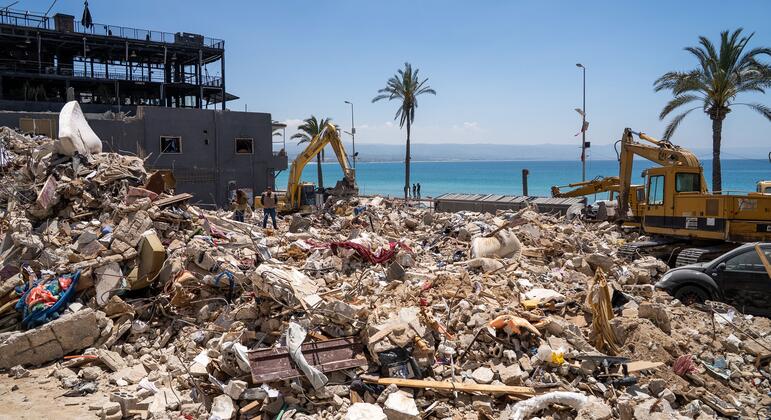
The situation in Gaza is exacerbated by recurrent military confrontations, which not only result in loss of life but also widespread destruction of infrastructure. Many families find themselves uprooted, gravely concerned about their safety and future. With educational institutions, hospitals, and markets damaged or destroyed, the very fabric of daily life has been torn apart.
Humanitarian Response Efforts
International humanitarian agencies report an alarming increase in displacement within Gaza. Over 300,000 individuals have been reported as displaced, living in overcrowded shelters with limited access to essential services. Efforts to provide aid are complicated by border restrictions and security concerns, limiting the flow of vital supplies.
The Role of International Community
The international community has a responsibility to intervene, offering humanitarian support for displaced populations in Gaza. Advocacy for peace and stability is crucial, as well as increased funding for humanitarian agencies that are working on the ground. Mobilizing resources and coordinating efforts can mitigate the effects of displacement and help rebuild communities.
Emergency Funding for Somalia
Somalia faces a dire situation marked by humanitarian crises fueled by drought, conflict, and economic instability. As the situation worsens, international organizations are sounding the alarm for urgent emergency funding to respond to growing needs within the country.
The Humanitarian Landscape
With over 7 million individuals in need of assistance, Somalia is experiencing one of its worst droughts in decades. The lack of rain has devastated agricultural systems, leading to food shortages and malnutrition, especially among vulnerable populations—children and pregnant women. Coupled with ongoing conflict and insecurity, the challenges have created a cascading effect worsening living conditions for millions.
Calls for International Aid
Humanitarian agencies have issued calls for immediate action, urging international donors to provide emergency funding to facilitate life-saving interventions. Without timely assistance, the situation is expected to deteriorate further, leading to mass displacements and increased mortality rates.
Sustainable Solutions Required
While emergency aid is critical, sustainable solutions are equally important to address the underlying causes of Somalia’s crises. Long-term investment in infrastructure, education, and healthcare is necessary to build resilience against future shocks. The international community should prioritize development programs alongside immediate humanitarian assistance.
Conclusion
Global events, such as risky returns in Lebanon, rampant displacement in Gaza, and urgent emergency funding for Somalia, highlight the interconnected nature of human crises. As nations grapple with economic instability, conflict, and humanitarian disasters, the need for collaboration among governments, NGOs, and the international community has never been more crucial. By fostering dialogue, enhancing support systems, and promoting sustainable development, the global community can work toward a future where home is safer and more secure for all.
SEO Strategies Implemented
To ensure this article reaches a broader audience, we have integrated relevant keywords such as “Lebanon economic crisis,” “Gaza displacement,” and “Somalia emergency funding.” By utilizing headers and sub-headers to enhance readability, this piece adheres to best practices for SEO optimization. By staying consistent with content quality and relevance, the article aims to inform and engage readers while also ranking favorably in search engines.
By continuing to address these global challenges, we can strive for a world that provides safety and stability for those affected by crisis and displacement.
For more details and the full reference, visit the source link below:
Read the complete article here: https://news.un.org/feed/view/en/story/2026/06/1167724