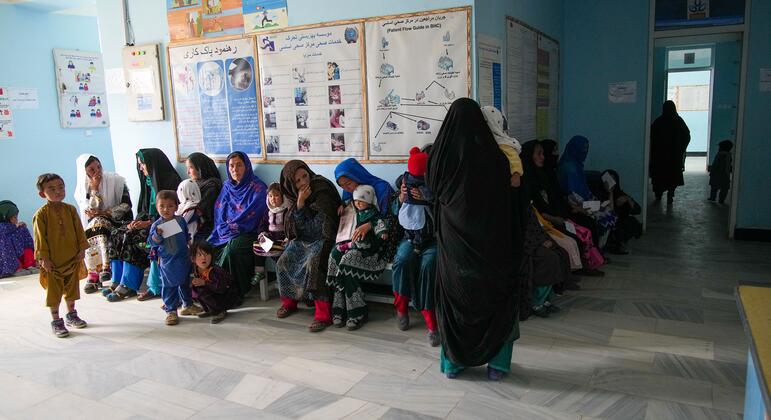

From Food Lines in Somalia to Clinics in Afghanistan: The Hormuz Crisis Sends Shockwaves Through Global Aid Networks
Introduction
The Hormuz Strait, a crucial waterway for global oil transportation, stands at the center of geopolitical tensions that ripple around the world. Recent escalations have not only threatened the flow of oil but have also strained international aid networks, impacting vulnerable populations far removed from the conflict zone. This comprehensive analysis delves into how the Hormuz crisis affects humanitarian efforts, particularly focusing on food insecurity in Somalia and health services in Afghanistan.
The Hormuz Crisis: An Overview
The Hormuz Strait links the Persian Gulf to the Arabian Sea and is a vital conduit for about 20% of the world’s oil supply. Tensions in this region often have immediate and far-reaching impacts on global markets and humanitarian efforts. As reported by various news outlets, military skirmishes and threats to maritime navigation create an environment of uncertainty, affecting oil prices and, consequently, the financing for humanitarian programs.
Implications on Global Oil Supply
Any disruption in this critical waterway leads to a surge in oil prices, making transportation costs skyrocket. The immediate consequence is that countries reliant on imported fuel see their economic stability threatened, which directly impacts their ability to provide essential services, including food and healthcare.
Humanitarian Crises Amplified
Food Insecurity in Somalia
Somalia, a chronically food-insecure nation, is experiencing high levels of hunger exacerbated by the ongoing Hormuz crisis. As oil prices rise, the cost of transporting food and other essentials sees a commensurate hike. Somalia, heavily reliant on food imports, can ill afford these additional costs.
Statistics on Food Insecurity
According to the World Food Program (WFP), nearly 7 million Somalis are facing acute food insecurity. The rising costs of staples due to global oil price fluctuations hinder UN agencies and NGOs from delivering adequate assistance.
The Role of Aid Organizations
Organizations like Save the Children and Oxfam are increasingly hindered in their operational capacities. More resources must be diverted to cover transportation costs, leading to a decrease in the amount of aid that can actually reach those in need.
Health Services in Afghanistan
Afghanistan’s health services, already crippled by years of conflict and instability, find themselves under further strain due to the crisis in the Hormuz Strait. Increased fuel prices make it challenging to deliver medical supplies to clinics in rural areas, where the need is greatest.
The Deteriorating Health Landscape
UNICEF reports alarming statistics regarding maternal and child health in Afghanistan—one of the worst globally. Rising costs create barriers to access for life-saving services, as the demand for medical aid continues to outstrip supply.
NGOs on the Ground
Organizations such as Médecins Sans Frontières (Doctors Without Borders) and the Red Cross work continuously to provide healthcare in Afghanistan, yet they too are feeling the ripple effects of escalating fuel costs. Increasing operational expenses often mean that their outreach programs either scale back or cut essential services.
Why Global Aid Networks Are Being Compromised
Budget Constraints
Aid organizations operate within predetermined budgets that do not adjust easily to sudden price increases. When emergency situations arise, it becomes difficult to reallocate funds without compromising existing programs.
Coordination Challenges
The Hormuz crisis complicates logistical operations. Aid organizations often depend on cooperation between governments and local entities for smooth operations. Any disruption in these relationships can lead to delays in aid delivery, placing vulnerable populations in even more peril.
The Regional Impact: A Broader Perspective
Middle Eastern Nations in Flux
As oil prices rise, Middle Eastern nations also navigate their internal challenges, which can divert attention and resources from overseas aid programs. With a focus on domestic stability, the less fortunate abroad may find themselves neglected.
Global Solidarity: A Call to Action
The humanitarian community needs to respond to these converging crises not only with emergency aid but also by fostering international solidarity. A collaborative approach that aligns public and private sector efforts is imperative to mitigate the effects of rising oil prices on aid programs.
Conclusion: Navigating the Future of Humanitarian Aid
The intertwined crises within the Hormuz Strait and the humanitarian needs in places like Somalia and Afghanistan underline the fragile nature of global aid networks. Increasing fuel costs challenge the way assistance is delivered, demanding innovative solutions and resilient strategies.
The Need for Sustainable Solutions
Ultimately, sustainable long-term solutions must be implemented to fortify vulnerable populations against the vicissitudes of global market trends. As the world continues to grapple with crises both near and far, international commitment and clever diplomacy will be essential for safeguarding humanity’s most basic needs.
Call for Awareness and Action
We must urge governments and international organizations to keep humanitarian needs at the forefront of foreign policy discussions. The ripple effects of geopolitical conflicts extend far beyond their borders—the price of inaction is unbearable for many in distant lands.
Stay Informed
Keeping informed about these issues allows individuals to advocate for more robust humanitarian initiatives. Support NGOs and global campaigns that strive to make a difference, even in the face of a daunting global landscape.
FAQs
How does the Hormuz crisis affect global food supply chains?
The Hormuz crisis can cause disruptions in oil supplies, leading to increased transportation costs for food and other essentials, primarily affecting nations that rely heavily on imports like Somalia.
What are the statistics on food insecurity in Somalia?
Currently, around 7 million Somalis face acute food insecurity, with rising global oil prices contributing to this crisis.
How are organizations responding to these crises?
NGOs are trying to adapt their operations by reallocating funds, but increasing transportation and operational costs mean that aid often becomes limited or slow to arrive.
What can individuals do to help?
Individuals can support humanitarian NGOs, raise awareness, and advocate for policies that prioritize humanitarian assistance in foreign policy discussions.
By understanding the complexities of these interconnected issues, we can better contribute to global efforts aimed at alleviating suffering and building a more resilient world.
For more details and the full reference, visit the source link below:
Read the complete article here: https://news.un.org/feed/view/en/story/2026/06/1167653