
Building Trust on Patrol: One Police Officer’s Peacekeeping Journey in South Sudan
Introduction
In a world where conflict often defines regions like South Sudan, peacekeeping efforts are crucial. This article explores the journey of one police officer who has dedicated his life to building trust during patrols in this war-torn country. His experience sheds light on the significance of community engagement and the role of law enforcement in peacekeeping missions.
Understanding the Context: South Sudan
A Brief History
South Sudan gained independence from Sudan in 2011, but the euphoria of freedom was short-lived. The country fell into civil war in 2013, leading to a humanitarian crisis that still affects millions today. Political instability, ethnic tensions, and widespread violence have made governance and law enforcement incredibly challenging.
The Role of Peacekeepers
The United Nations and various international organizations have deployed peacekeeping missions in South Sudan to promote stability and security. Police officers from various nations are tasked with the essential duty of maintaining peace, protecting civilians, and building trust within communities.
The Officer’s Mission: Building Trust
Establishing Relationships
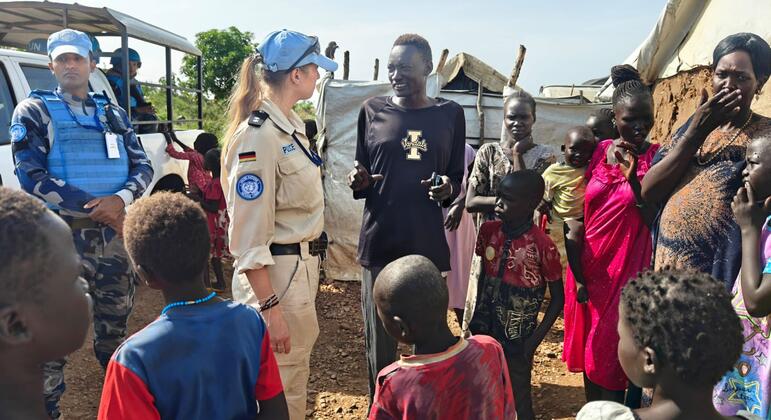
One police officer, deployed as part of a UN mission, understood from day one that his primary goal was not simply to enforce the law but to foster relationships within the communities. He began by visiting local leaders, attending community meetings, and engaging with citizens to understand their concerns and needs.
Active Listening
During his patrols, instead of approaching situations with an authoritative demeanor, he practiced active listening. This meant allowing community members to voice their concerns, grievances, and aspirations. Such interactions not only provided valuable information but also humanized law enforcement in the eyes of the locals.
Grassroots Engagement
Engaging grassroots organizations helped the officer to understand the intricate social fabric of South Sudanese society. By collaborating with local NGOs, he could bridge gaps between law enforcement and communities, addressing issues like domestic violence, theft, and gender-based violence that resonated deeply with citizens.
The Challenges of Trust-Building
Initial Skepticism
One of the most prominent challenges faced was the initial skepticism from the local population. Years of conflict had led to deep mistrust towards authorities, including police forces. It required a consistent effort and genuine intent for the officer to slowly change this narrative.
Overcoming Language and Cultural Barriers
Language and cultural differences also posed significant hurdles. To mitigate these barriers, the officer learned key phrases in local dialects and worked closely with interpreters. This effort not only fostered communication but also showed respect for the culture and traditions of the South Sudanese people.
Success Stories: Trust in Action
Community Patrols
Through consistent efforts, the officer initiated community patrols where local citizens could accompany police. This approach not only enhanced security but also allowed community members to become part of the solution. They could express concerns about local safety, thus fostering collaboration in crime prevention.
Educational Workshops
Another successful initiative was the organization of educational workshops focused on rights awareness, conflict resolution, and community safety. These workshops empowered citizens to advocate for themselves and reinforced the legitimacy of the police force as protectors of their rights.
The Impact of Trust on Safety
Decrease in Violent Incidents
Building trust led to a notable decrease in violent incidents in the areas where the officer patrolled. As citizens gained confidence in law enforcement, they began to report crimes and cooperate with investigations. This cooperation was crucial for dismantling criminal networks and reducing overall violence.
Enhanced Cooperation
Furthermore, enhanced cooperation between the police and local communities opened avenues for dialogue about broader issues affecting the region, such as economic instability and lack of resources. Holistic solutions to these systemic problems emerged as community members felt they had a stake in their safety and governance.
Sustainability of Trust
Capacity Building
To ensure the sustainability of the trust built during his patrols, the officer focused on capacity building within the community. He worked to train local leaders in conflict resolution and community policing techniques. By empowering locals, he helped create a self-sustaining model for peace.
Ongoing Engagement
Trust is not a one-time achievement but a continuous process. The officer understood the importance of ongoing engagement with the community, adapting his strategies based on feedback, and regularly returning to see how the community was evolving.
Conclusion: A Blueprint for Peacekeeping
The journey of this police officer serves as a compelling example of how trust can be built through concerted efforts, active listening, and community engagement in fragile contexts. In South Sudan, where years of conflict have eroded trust in institutions, such initiatives can lay the groundwork for long-term peace.
Through his story, it becomes evident that peacekeeping is not solely about enforcing the law; it is also about building relationships and fostering a sense of security and belonging within communities. As the world looks to support nations recovering from conflict, the lessons learned from South Sudan provide a blueprint for effective peacekeeping and community-oriented policing.
Call to Action
To support peacekeeping efforts in South Sudan and around the world, consider contributing to organizations focused on community resilience and law enforcement training. Building trust is a shared responsibility that requires global cooperation, understanding, and a commitment to peace. Together, we can contribute to a more peaceful future for regions like South Sudan.
By optimizing for keywords like “peacekeeping in South Sudan,” “building trust in communities,” and “police officer’s journey,” this article aims to improve visibility and reach those interested in the critical issues surrounding law enforcement and community engagement in conflict areas.
For more details and the full reference, visit the source link below:
Read the complete article here: https://news.un.org/feed/view/en/story/2026/06/1167656