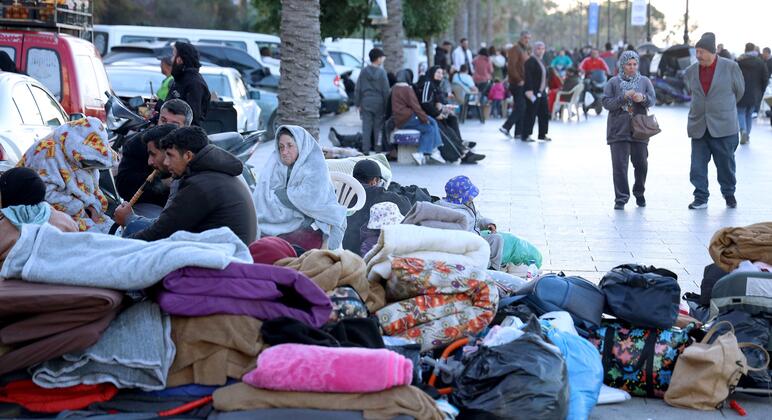

Women and Girls Cannot Wait: Lebanon’s Crisis is Putting Lives at Risk
Introduction
Lebanon is currently facing an unprecedented crisis that is affecting the lives of millions, particularly women and girls. The economic collapse, compounded by political instability and social unrest, has created a perfect storm that exacerbates existing gender inequities. As Lebanon grapples with these challenges, it becomes increasingly urgent to address the specific needs and vulnerabilities of women and girls in this tumultuous environment.
The Current Crisis in Lebanon
Economic Collapse
Lebanon’s economy has been in free fall since late 2019, with the Lebanese pound losing over 90% of its value. This financial distress has led to skyrocketing inflation rates, making basic goods unaffordable for many families. Women and girls, often dependent on family income, face heightened risk as financial resources dwindle.
Political Instability
Political corruption and lack of effective governance have contributed to widespread disillusionment among the population. Protests have erupted in various parts of the country, but the political elite remains largely unaffected by the general suffering. During times like these, it is often women and girls who bear the brunt of the fallout.
Social Unrest
The social landscape in Lebanon has been significantly impacted by the crisis. Increased violence and crime rates, coupled with a lack of social services, create an environment where women feel less safe than ever. Vulnerable groups, especially those in refugee camps or marginalized communities, face even greater risks.
The Impact on Women’s Health
Reproductive Health Services
Access to reproductive health services has dramatically declined due to the crisis. Medical facilities are overwhelmed or lack essential resources, making it challenging for women to receive care. Unmet needs for contraception, prenatal care, and maternal health services can have life-altering consequences.
Mental Health Challenges
The psychological impact of the ongoing crisis cannot be overstated. Women and girls are facing increased rates of anxiety, depression, and other mental health issues due to insecurity and instability. The lack of mental health resources further exacerbates this issue, leading to a silent epidemic of psychological suffering.
Education Disruptions
School Closures
The pandemic and economic crisis have resulted in prolonged school closures across Lebanon. For girls, this is particularly detrimental. Education is not just about learning; it represents safety, routine, and a pathway to a better future. When girls drop out of school, the risk of early marriage, domestic violence, and poverty increases.
Digital Divide
Even as schools turn to online platforms, many families lack access to the necessary technology. This digital divide particularly affects girls, as families may prioritize access for male children over females. The ongoing disruption of education will have long-lasting effects on gender equality in Lebanon.
Gender-Based Violence
Increased Vulnerability
The crisis has intensified the risk of gender-based violence. Economic stress often leads to domestic tensions, where women can become targets of violence. Reports indicate an increase in domestic abuse cases during this time, with many women feeling trapped and unable to seek help.
Support Services Struggling
NGOs and support services that typically help survivors of violence are also facing hardships. Their funding has diminished, limiting their capacity to provide essential services such as shelters, counselling, and legal assistance.
Economic Hardships: Empowerment at Risk
Employment Opportunities
The economic crisis has decimated job opportunities for everyone, but women face unique barriers. Traditional gender roles and a lack of opportunities restrict women’s access to the workforce. Those who do manage to secure employment often work in precarious conditions, with inadequate wages, increasing their vulnerability.
Financial Independence
The loss of financial independence can be devastating for women. For many, lack of economic empowerment traps them in cycles of dependency and exposes them to exploitation and abuse. Women’s access to financial resources is a critical aspect of ensuring their rights and freedoms.
Community Resilience and Solutions
Grassroots Initiatives
In the face of adversity, grassroots initiatives have emerged to uplift women and girls in Lebanon. Local organizations are stepping in to provide support services, safe spaces, and educational opportunities tailored to the needs of women.
Advocacy for Policy Change
Advocacy efforts are crucial in pushing for the inclusion of women’s specific needs in recovery plans. Mobilizing support from local, regional, and international stakeholders can help to ensure that the needs of women and girls are prioritized in policy-making processes.
International Support
Lebanon needs international solidarity and support to address these crises effectively. Global attention can help mobilize resources, advocate for women’s rights, and demand that stakeholders take swift, targeted actions to mitigate the impact of the crisis on women and girls.
Conclusion
The crisis in Lebanon presents an urgent call to action for both local and international communities. Women and girls cannot afford to wait for a recovery that does not take their specific needs into account. As Lebanon navigates through this challenging period, it is imperative that concerted efforts are made to safeguard the lives of women and girls and promote gender equality. Failure to address their needs not only jeopardizes their future but also undermines the potential for a sustainable and equitable Lebanon.
Call to Action
Support initiatives focused on women and girls in Lebanon. Whether through donations, volunteering, or simple advocacy, every action counts. Together, we can help ensure that women and girls are not left behind in Lebanon’s recovery.
Keywords: Lebanon crisis, women and girls, gender-based violence, economic collapse, reproductive health, education, community resilience, international support, policy change.
For more details and the full reference, visit the source link below:
Read the complete article here: https://news.un.org/feed/view/en/story/2026/06/1167628