
Gaza’s Public Servants Systematically Targeted in Israeli Strikes
Introduction
The ongoing conflict between Israel and Hamas has resulted in devastating humanitarian consequences, particularly for the civilians living in Gaza. Among the most affected groups are public servants who provide essential services to the populace. This article explores the systematic targeting of public servants in Israeli strikes, examining its implications for governance and the civilian population in Gaza.
The Context of the Conflict
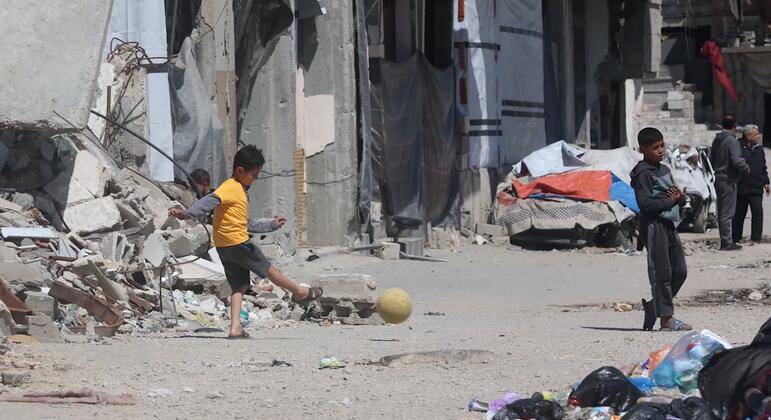
The Gaza Strip, home to approximately two million people, has been a focal point of tension between Israel and Palestinian factions, especially Hamas. The recurrent military confrontations have created an environment where public servants—those working in education, health, and municipal services—are increasingly at risk. These individuals typically operate under extremely challenging conditions, striving to maintain essential services amid chaos.
Why Target Public Servants?
The deliberate targeting of public servants serves multiple strategic aims:
-
Disruption of Governance: By targeting those who ensure the day-to-day functioning of societal structures, Israeli forces aim to weaken Hamas’s administrative capabilities.
-
Psychological Warfare: Strikes against public servants engender fear within the population, signaling that anyone who supports the Palestinian infrastructure could be at risk, thereby discouraging cooperation.
-
Attribution of Responsibility: By increasing violence against public service roles, the actions may be intended to delegitimize Hamas by showcasing their inability to protect even those who serve the public interest.
The Human Cost of Targeting
Loss of Life and Injury
Every life lost represents a family devastated; every injured public servant contributes to the long-term suffering of the community they serve. According to reports from various humanitarian organizations, hundreds of educators, healthcare workers, and civil servants have been killed or injured during Israeli strikes in recent conflicts.
Disruption of Services
The targeting of essential service providers leads to immediate disruptions:
-
Healthcare: Hospitals have become battlegrounds, with medical personnel struggling to treat the wounded amidst continuous attacks. The fragility of medical infrastructure exacerbates health crises, as the shortage of medical supplies and professionals further impacts casualties.
-
Education: Schools, often repurposed as shelters, have been affected by attacks. The loss of educators not only hampers the current educational landscape but will have generational ramifications.
-
Infrastructure: Municipal workers who maintain vital services like waste management, water supply, and sanitation face peril, leading to a public health crisis.
Public Servants: The Unsung Heroes
Despite the considerable dangers, many public servants in Gaza continue to serve their communities with bravery and resilience. They often work under severe conditions, risking their lives to deliver crucial services:
-
Healthcare Professionals: Doctors and nurses provide life-saving treatment amidst bombardments, dedicating their efforts to mitigate suffering while often being first responders in crises.
-
Teachers: Despite the chaos, educators strive to impart knowledge and maintain routines that foster a sense of normalcy among children.
-
Community Organizers: Local leaders and municipal workers play essential roles in resource allocation and crisis response, ensuring that the needs of the community are addressed.
International Reactions
The systematic targeting of public servants has drawn condemnation from various international agencies and human rights organizations. The UN and various NGOs have raised concerns about these strikes, arguing that they constitute violations of international humanitarian law. Calls for accountability continue as the plight of public servants remains critical to the broader humanitarian crisis.
The Political Ramifications
Short-term vs. Long-term Impact
In the short-term, targeting public servants may create structural disarray within Gaza. However, in the long term, this strategy could foster further animosity and entrenched conflicts, as the affected population increasingly views these actions as collective punishment.
The Role of the International Community
The international community plays a crucial role in addressing this issue. Humanitarian aid, diplomacy, and international pressure can help mitigate the impacts of conflict on public servants in Gaza. Advocating for ceasefires and promoting peace negotiations are essential steps toward safeguarding civilians, including public servants.
Conclusion
The systematic targeting of public servants in Gaza represents a grave violation of human rights and international law. It undermines essential services that are critical for the population’s survival and well-being. As the international community engages with the ongoing conflict, prioritizing the protection of public servants should be a focal point to ensure the resilience and recovery of Gazan society.
Call to Action
As global citizens, raising awareness about the humanitarian crisis in Gaza is essential. Support organizations working on the ground, advocate for policies that protect public servants, and engage with local initiatives to help restore and support the governance structures that are vital for the well-being of Gazans.
SEO Keywords
- Gaza public servants
- Israeli strikes on Gaza
- humanitarian crisis in Gaza
- targeting of public servants
- impact on healthcare and education in Gaza
- international humanitarian law
- Gaza civil servants
- responses to Gaza conflict
By focusing on these keywords and segments, we can ensure that this discussion reaches a broader audience, illuminating the plight of those who serve their communities even in times of war.
For more details and the full reference, visit the source link below:
Read the complete article here: https://news.un.org/feed/view/en/story/2026/06/1167631