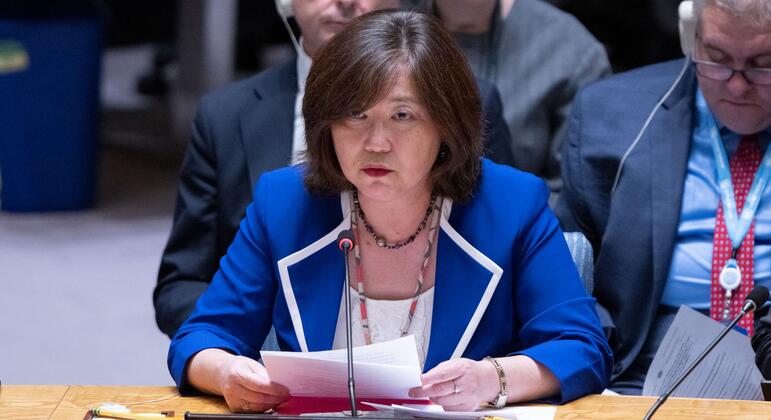

UN Stresses the Need for De-escalation in Ukraine War as Attacks Rise
Introduction
As the conflict in Ukraine continues to intensify, the United Nations (UN) has expressed a critical need for de-escalation. With rising attacks and increasing casualties, the situation has drawn global attention, demanding urgent international intervention and support. This article explores the current state of the war, the UN’s stance, potential pathways to peace, and the broader implications of the ongoing conflict.
The Current Situation in Ukraine
Escalating Violence
Recent months have seen a worrying surge in military activities, with both ground and air assaults becoming more frequent. Cities like Kharkiv and Mariupol have faced extensive bombardment, resulting in significant civilian casualties and humanitarian crises. According to the latest reports, the conflict has displaced millions, leading to a pressing need for humanitarian assistance.
Humanitarian Impact
The humanitarian crisis is exacerbated by the ongoing fighting, with millions lacking access to basic necessities such as food, clean water, and healthcare. Hospitals and clinics have been targeted, further straining the healthcare system. The UN reports that over 12 million people within Ukraine need humanitarian assistance, showcasing the urgency for intervention.
The UN’s Call for De-escalation
Diplomatic Efforts
The UN Secretary-General has consistently called for diplomatic solutions to the conflict. In light of the recent attacks, the organization’s representatives have emphasized the importance of dialogue and negotiation. The UN believes that sustained diplomatic efforts can help reduce tensions and create a conducive environment for lasting peace.
Responsibility of Global Leaders
The UN urges global leaders to take responsibility in mediating the conflict. By promoting dialogue, sanctions, and support for affected populations, international actors can play a crucial role in reducing hostilities. Global cooperation is essential in reinforcing the message that violence is not a viable solution.
Potential Pathways to Peace
Open Channels of Communication
Establishing communication channels between the conflicting parties is vital for de-escalation. Open dialogue can help address misunderstandings and reduce tensions. The UN has proposed regular meetings to facilitate communication, involving representatives from both sides and interested third parties.
Humanitarian Ceasefires
Implementing humanitarian ceasefires can allow aid organizations to deliver essential supplies to vulnerable populations. The UN has called for temporary stoppages in fighting to enable humanitarian assistance, underscoring the immediate need to prioritize civilian safety.
Peace Negotiations
Long-term solutions will require comprehensive negotiations that address the root causes of the conflict. The UN advocates for an inclusive peace process that involves all stakeholders, including civil society groups and regional actors. By ensuring that all voices are heard, a more sustainable peace agreement can be reached.
The Role of International Community
Humanitarian Aid
The international community has a crucial role in addressing the humanitarian crisis. Governments and NGOs must mobilize resources to provide essential services to those affected by the conflict. The UN coordinates efforts to distribute food, medical supplies, and shelter to the displaced population.
Sanctions and Diplomatic Pressure
Imposing targeted sanctions is another strategy that can pressure parties to come to the negotiating table. Diplomatic measures can isolate actors that continue aggressive actions. The UN encourages member states to align their policies to promote de-escalation actively.
Conclusion
The ongoing conflict in Ukraine presents urgent challenges that require immediate and sustained attention from the international community. The UN’s emphasis on de-escalation is a pivotal stepping stone toward achieving peace. As violence continues to rise, the global community must prioritize diplomatic efforts and humanitarian assistance to alleviate suffering and work toward a comprehensive resolution.
The Future of Ukraine
Hope for Peace
While the situation remains dire, there is hope that dialogue and diplomacy can lead to a peaceful resolution. Engaging in constructive conversations may pave the way for a more stable and secure future for Ukraine. The UN’s commitment to facilitating these processes underscores the importance of collective action in addressing global conflicts.
The Importance of Public Awareness
Raising public awareness about the conflict is essential in maintaining pressure on governments to act. Social media, news outlets, and community organizations can play critical roles in informing citizens and rallying support for humanitarian efforts and peace initiatives.
Conclusion and Call to Action
The need for de-escalation in Ukraine has never been more pressing. The impacts of the ongoing conflict are felt globally, and as members of the international community, we have a responsibility to advocate for peace. Supporting humanitarian relief efforts and pressuring governments to initiate meaningful dialogue can contribute to ending the violence and fostering long-term stability in the region.
By focusing on strategic interventions and fostering collaboration, it is possible to navigate the complex dynamics of the Ukraine war and work toward a resolution that honors the rights and dignity of all involved.
For more details and the full reference, visit the source link below:
Read the complete article here: https://news.un.org/feed/view/en/story/2026/06/1167619

