
Security Council LIVE: Emergency Meeting on Lebanon as Israeli Attacks Cast Pall Over Iran-US Negotiations
In an increasingly volatile geopolitical landscape, the United Nations Security Council (UNSC) convened an emergency meeting to address the escalating tensions in Lebanon amid renewed Israeli military actions. This urgent gathering comes at a critical juncture, not just for Lebanon, but also for the broader dynamics of Middle Eastern politics, particularly with respect to ongoing negotiations between the United States and Iran.
The Urgency of the Situation: Why Now?
The recent Israeli attacks on targets in Lebanon have raised alarms across multiple international fronts. The strikes are believed to be part of a broader strategy to counter perceived threats from Iranian-backed Hezbollah forces operating near the Lebanese border. This escalation coincides with delicate negotiations between Iran and the United States, focused on Tehran’s nuclear program and broader regional influence.
Background: Israel’s Military Operations
In recent years, Israel has intensified its military operations to disrupt Iranian supply lines and military buildups in Syria and Lebanon. These actions are fueled by concerns over Hezbollah’s growing capabilities, including advanced missile technology. The recent strikes mark a significant uptick in hostilities, raising fears that the conflict could spiral beyond Lebanese borders.
Iran-US Negotiations: Stakes and Implications
The stakes couldn’t be higher as the world watches the current negotiations between Iran and the United States. These discussions aim to restore the Joint Comprehensive Plan of Action (JCPOA), which the United States withdrew from in 2018. The ongoing military actions in Lebanon threaten to derail these talks, as both nations assess their strategic positions amid increased regional tensions.
Key Players in the Crisis
The United Nations
The role of the UN in this crisis cannot be overstated. The Security Council is tasked with maintaining international peace and security, making it a crucial platform for addressing the escalating situation in Lebanon. Member states must grapple with how to respond to Israeli military actions and Iranian provocations while seeking to de-escalate tensions.
Israel
Israel views its military operations in Lebanon as essential to national defense. Israeli officials argue that they are committed to countering threats posed by Hezbollah, a militia it considers a direct extension of Iranian influence in the region. However, its actions risk broader conflict, particularly if they provoke a response from Iran or its allies.
Iran
Iran’s backing of Hezbollah has historically complicated regional dynamics. As the negotiations with the U.S. unfold, Iran is under immense pressure to leverage its influence, not just in Lebanon but across the Middle East. The challenge for Tehran lies in balancing its support for Hezbollah while avoiding direct confrontation that could undermine its negotiating position.
Lebanon
Lebanon finds itself in a precarious situation. Often caught in the crossfire of regional power struggles, the Lebanese government is under scrutiny to manage both internal and external pressures. The UN meeting will likely underscore the need for international support and intervention to stabilize the country.
The Role of Diplomatic Channels
UN Mediation Efforts
The UNSC meeting will provide a critical platform for mediator states to advocate for diplomatic solutions to the crisis. The current geopolitical landscape necessitates dialogue, and the UN could serve as a neutral facilitator to mitigate tensions.
The Potential for Sanctions
One option on the table could be targeted sanctions against individuals or entities believed to be exacerbating the crisis. This approach, however, must be weighed against the potential for further escalation and the humanitarian impact on Lebanese civilians.
Importance of Dialogue
Now more than ever, dialogue is essential. The meeting’s outcome could dictate the trajectory of both local and international responses. Key nations will need to navigate their relationships carefully, as overtly siding with one party could inflame tensions.
Humanitarian Concerns
The Risk of Civilian Casualties
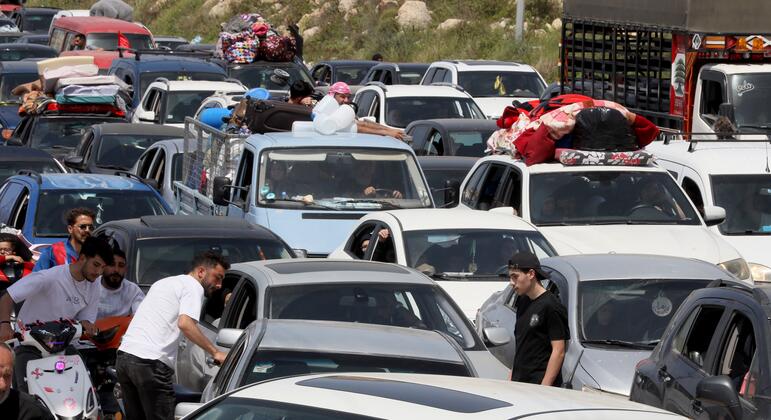
The ongoing military operations inherently raise concerns about civilian casualties in Lebanon. The UN and various NGOs have called for immediate ceasefires to prevent loss of life and to allow humanitarian aid to reach those in need. The situation is critical, as many Lebanese civilians are already suffering from economic instability and social unrest.
International Aid and Support
Humanitarian organizations are calling for increased international aid to Lebanon, which faces an economic crisis exacerbated by political instability and regional tensions. The Security Council’s discussions may include strategies to bolster aid and support for affected populations.
Conclusion: A Call to Action
As the UNSC convenes for this emergency meeting, the eyes of the world will be watching closely. The interplay between Israeli military actions and Iran-US negotiations will shape not only the fate of Lebanon but also the broader dynamics of Middle Eastern geopolitics. It is essential that all parties prioritize dialogue and diplomacy over military action.
The situation demands concerted international efforts, with a focus on humanitarian concerns and a commitment to de-escalation. Lives hang in the balance, and the window for constructive dialogue may be narrowing. The Security Council must uphold its responsibility to restore peace and security in the region.
By being proactive, transparent, and committed to collaborative solutions, the international community can help navigate this complex crisis. The need for diplomacy has never been more profound, and the outcome of these discussions could set the tone for regional stability for years to come. The time to act is now.
For more details and the full reference, visit the source link below:
Read the complete article here: https://news.un.org/feed/view/en/story/2026/06/1167618

