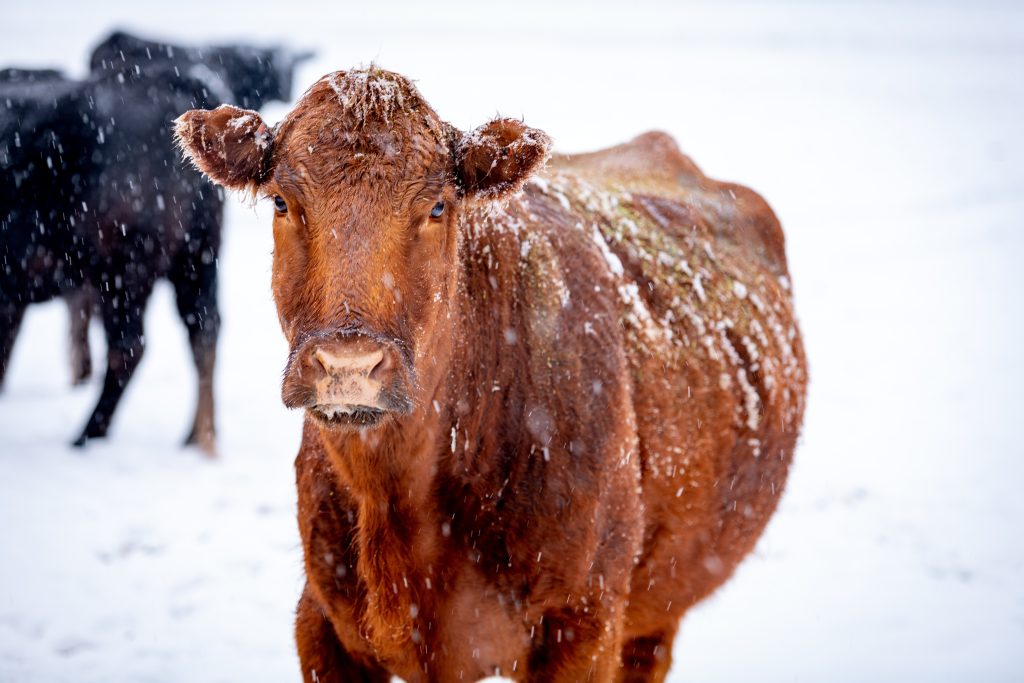

USDA Encourages Ag Producers and Residents to Prepare for Winter Storm Fern
As Winter Storm Fern approaches, the USDA is urging agricultural producers and local residents to prepare thoroughly for adverse weather conditions. This timely guidance aims to mitigate the impacts of storm-related disruptions, ensuring safety and the maintainability of essential food supply chains.
Understanding Winter Storm Fern
Winter Storm Fern is predicted to bring heavy snow, strong winds, and freezing temperatures across various regions. Understanding the storm’s potential impacts is crucial. Agriculture, being a climate-sensitive industry, faces numerous challenges during winter storms, including possible crop damage, livestock distress, and disruptions in logistics.
Why Preparation is Key
Preparation is key to minimize risks associated with winter weather. The USDA emphasizes that early action can prevent potential losses and ensure the safety of farm equipment, livestock, and residences. Preparedness helps maintain stability in agricultural production and food supply chains, which are essential during extreme weather.
Key Tips for Agricultural Producers
1. Assess Current Conditions
Farmers should start by assessing their current operations, including livestock housing, feed supplies, and equipment readiness. Identify vulnerabilities that could be impacted by Winter Storm Fern.
2. Secure Livestock
For livestock producers, ensuring animal welfare is paramount. Here are some vital steps:
- Shelter: Ensure that animals have adequate shelter to protect them from wind, snow, and freezing temperatures.
- Feed Supplies: Stock up on adequate feed to avoid shortages during the storm. It’s vital that feed is stored in a dry, accessible place.
- Water Supply: Ensure that water sources are not frozen, and animals have access to safe drinking water.
3. Protect Farm Equipment
Winter storms can severely affect farm equipment. Here’s how to prepare:
- Maintenance: Conduct a thorough inspection of tractors, generators, and other essential equipment to ensure they are in good working condition.
- Storage: Where possible, store equipment under shelters to prevent weather-related damage.
4. Plan for Crop Protection
For crop producers, protecting standing crops is crucial. Consider these options:
- Mulching: Apply mulch to protect the soil and prevent erosion.
- Cover Crops: Utilize cover crops to enhance soil health and shield winter crops from harsh conditions.
Tips for Residents
1. Create an Emergency Kit
Residents should assemble an emergency kit that includes the following essentials:
- Non-perishable food: Stock up on at least three days’ worth of food.
- Water: At least one gallon of water per person per day.
- First Aid Supplies: Include medical essentials and any prescription medications.
2. Stay Informed
Monitor official weather updates and advisories from local meteorologists and the USDA. Staying informed can help residents act promptly in any severe situations.
3. Develop Communication Plans
Establish a communication plan with family and neighbors to ensure everyone knows how to reach each other during the storm. This step is particularly important for vulnerable individuals who may require assistance.
4. Safeguard Your Home
Residents should take measures to secure their homes against the storm:
- Check Insulation: Ensure insulation in roofs and walls to prevent heat loss.
- Stock Up on Supplies: Ensure you have enough heating fuel, batteries, and candles.
Collaborating with Local Authorities
Both agricultural producers and residents are encouraged to engage with local authorities. Here’s why:
- Resource Sharing: Local governments often provide resources and updates during emergencies, including shelters for people and livestock.
- Community Preparedness: Engaging with neighbors can create a stronger, more resilient community in facing natural disasters.
After the Storm: Recovery Steps
Once Winter Storm Fern passes, it’s essential to assess damages and begin recovery efforts promptly:
- Evaluate Damage: Inspect properties and agricultural facilities to assess any disaster-related damages.
- Seek Assistance: Utilize federal and state relief programs, available through the USDA, which can support recovery efforts.
- Plan for Future Storms: Use insights gained from this experience to enhance future preparedness plans.
Conclusion
Winter Storm Fern serves as a critical reminder of the unpredictable nature of weather and its far-reaching impact on agriculture and local communities. The USDA’s call to action for agricultural producers and residents underscores the importance of preparedness. Taking proactive steps can minimize risks, safeguard livestock, protect homes, and ensure the sustenance of food supply chains.
Stay informed, be prepared, and ensure that you are ready to face Winter Storm Fern with resilience and awareness. By following these guidelines, both agricultural producers and residents can significantly reduce the potential impact of severe winter weather on their lives and livelihoods.
For more details and the full reference, visit the source link below:

