
Hormuz Crisis Strangling Global Economy: Guterres Warns, Demanding Solutions to End Stalemate
Introduction
The Hormuz Strait, a pivotal choke point for global oil transport, has become a focal point of geopolitical tensions that threaten the stability of the global economy. United Nations Secretary-General Antonio Guterres has recently expressed grave concerns over the ongoing crisis in this essential maritime corridor. In a world increasingly reliant on oil imports, any escalation in tensions could lead to significant repercussions in energy markets and beyond. This article delves into the implications of the Hormuz crisis, elucidates its economic ramifications, and outlines potential pathways for resolution.
Understanding the Hormuz Strait
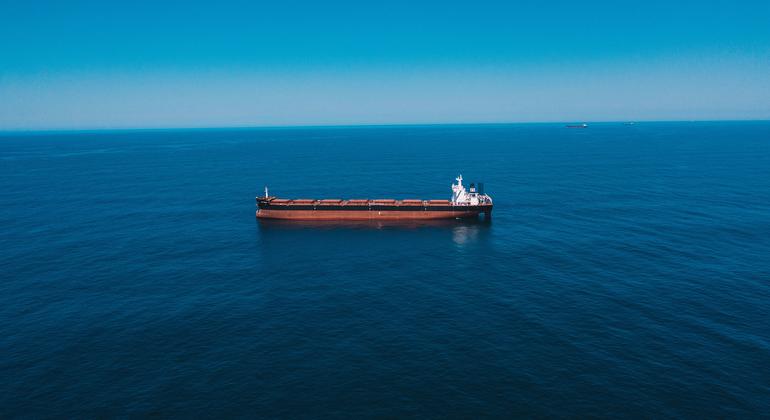
The Hormuz Strait connects the Persian Gulf with the Gulf of Oman and the Arabian Sea, making it one of the world’s most strategically important waterways. Approximately 20% of the global oil trade passes through this narrow passage. As tensions rise in the region, particularly involving Iran and the United States, the stability of this corridor remains under threat.
The Current State of Affairs
Escalating Tensions
Recent events indicate that the political climate in the region is fragile, with military posturing and hostile rhetoric becoming increasingly common. This volatility has led to disruptions in oil shipments, which in turn could prompt a ripple effect across the global economy. Secretary-General Guterres has called for immediate dialogue to defuse the situation and avert a full-blown crisis.
Economic Implications
The economic implications of an unstable Hormuz Strait are profound. Rising oil prices can lead to inflation, affecting the purchasing power of consumers around the world. Countries heavily reliant on oil imports may face increased costs, which can impact everything from transportation to consumer goods prices.
Guterres’ Warning: A Clarion Call for Action
Urgency of the Situation
In his recent statements, Guterres has emphasized the urgent need for diplomatic solutions to the ongoing stalemate. “We cannot afford to wait until a potential conflict effects global markets irreparably,” he remarked. His call to action resonates with policymakers and experts who recognize that the crisis poses a significant threat not only to the affected nations but also to global economic stability.
Pathways to Resolution
To avert a crisis, several pathways can be explored. Diplomatic dialogue is crucial, and engaging in multilateral talks could foster an environment conducive to understanding and compromise. Additionally, involving international organizations may help mediate tensions and provide oversight for critical negotiations.
The Role of Global Powers
United States and Iran
The ongoing tension between the United States and Iran plays a central role in the Hormuz crisis. The U.S. has imposed sanctions on Iran in response to its nuclear program and regional military activities. In turn, Iran has threatened to disrupt international shipping if its interests are not safeguarded. The delicate balance of power in this region necessitates careful diplomacy and strategic dialogue.
Other Stakeholders
Other nations, particularly those reliant on oil imports, are also stakeholders in this crisis. Nations such as China, India, and European countries could play a significant role by advocating for peaceful resolutions. By forming a coalition of debtor nations, these countries could apply collective pressure to bring the parties to the negotiating table.
Impacts on the Global Economy
Oil Price Volatility
The crisis in the Hormuz Strait could lead to dramatic fluctuations in oil prices. Sudden price hikes would inevitably lead to higher transportation costs, increased inflation, and possibly even economic recession in oil-dependent countries. A thorough analysis of historical data shows that regional conflicts historically have led to price spikes that ripple through global markets.
Supply Chain Disruptions
An escalated conflict could also result in supply chain disruptions that extend beyond oil. Modern economies are interconnected, and turmoil in one region can trigger a cascade of negative effects globally. Industries such as manufacturing and transportation would be particularly vulnerable to these disruptions.
Environmental Considerations
Potential for Environmental Catastrophe
The prospect of military conflict in the Hormuz Strait raises serious concerns about environmental degradation. Oil spills and marine pollution could have long-lasting impacts on marine life and coastal ecosystems. An escalating situation would also compromise global initiatives aimed at combating climate change and promoting sustainable energy alternatives.
The Human Cost
Humanitarian Crisis
Amidst geopolitical struggles, the human cost often goes unnoticed. Any military conflict in the region would result in loss of life and displacement, exacerbating the already critical humanitarian situation. Millions could be affected by a crisis that began as a political standoff, emphasizing the need for immediate action.
Conclusion
The Hormuz crisis poses a multifaceted threat to global economic stability. From rising oil prices to potential environmental disasters, the stakes are high. Antonio Guterres’ urgent call for diplomatic solutions serves as a reminder that effective dialogue and cooperation among global powers is essential to avert a crisis. The international community must prioritize peaceful resolutions to ensure the stabilization of this critical maritime corridor. As we navigate these complex challenges, one thing remains clear: the world cannot afford to overlook the potential consequences of a destabilized Hormuz Strait.
Call to Action
Engage in Dialogue
It is imperative for governments and international organizations to engage in constructive dialogue. The benefits of peaceful negotiations far outweigh the risks of military conflict. The time to act is now, for the sake of global peace and economic stability.
Promote Sustainable Alternatives
In addition to diplomatic efforts, investing in sustainable and renewable energy sources could mitigate the risks associated with oil dependency. Countries must work together to find alternative sources of energy to lessen the blow to their economies should a crisis arise.
Advocate for Global Unity
Unified global action is essential in addressing this complex issue. By advocating for international cooperation, we can work towards a safer and more stable future for the Hormuz Strait and the global economy.
As we face these challenges, the importance of collective responsibility and proactive measures cannot be overstated. The world is watching, and the time for action is now.
For more details and the full reference, visit the source link below:
Read the complete article here: https://news.un.org/feed/view/en/story/2026/04/1167411