
In Addis Ababa, Guterres Urges Reforms for a Stronger African Voice on the Global Stage
Introduction
In recent years, Africa’s role in global politics has garnered increasing attention. The continent, rich in resources and cultural diversity, has the potential to influence international dialogues significantly. During a pivotal visit to Addis Ababa, United Nations Secretary-General António Guterres emphasized the urgent need for reforms that would amplify Africa’s voice in global affairs. This article explores Guterres’ message, the current status of Africa on the world stage, and the implications of potential reforms.
The Significance of Africa in Global Politics
A Resource-Rich Continent
Africa is more than just a collection of nations; it is a continent brimming with potential. It houses vast reserves of natural resources, including precious minerals, oil, and agricultural land. As economies transition towards renewable energy, African countries could play a crucial role in supplying the materials needed for green technologies.
Young and Dynamic Population
With over 1.2 billion people, Africa has the youngest population globally, which presents both a challenge and an opportunity. This demographic dividend could drive economic growth and innovation, providing a fresh perspective in global discussions.
Guterres’ Visit to Addis Ababa
Context and Objectives
Guterres’ trip to Ethiopia was not merely ceremonial; it was a critical opportunity to discuss pressing issues facing Africa and the world. This visit coincided with significant challenges, including climate change, health crises, and geopolitical tensions. Among his main objectives was advocating for reforms that would allow African nations to influence global policy more significantly.
Key Messages Delivered
One of the central themes of Guterres’ speech was the need for equitable representation. He argued that Africa deserves a more substantial voice in global decision-making, particularly in institutions like the United Nations Security Council. By reforming these structures, Guterres believes that African states can play a more pivotal role in tackling global issues.
Challenges Facing Africa Today
Political Instability
Despite its rich potential, many African nations face political instability, which threatens their development and global representation. Ongoing conflicts and governance challenges hinder progress and diminish their ability to voice national interests on the global stage.
Economic Disparities
Africa is home to both immensely wealthy nations and countries grappling with extreme poverty. These economic disparities impede unified action on issues of global significance, making it challenging for African nations to advocate for collective interests effectively.
Climate Change Impacts
Africa is disproportionately affected by climate change, despite contributing the least to global emissions. The continent’s vulnerability to natural disasters and changing weather patterns highlights the need for greater advocacy and action on environmental issues, which could be achieved through stronger representation.
The Case for Reform
Equitable Representation in Global Institutions
Guterres has repeatedly emphasized the need for reforms that ensure African nations have a more pronounced role within international institutions. This includes revisiting the structures of the United Nations and other international bodies to facilitate the inclusion of African perspectives in policy-making.
Strengthening Regional Cooperation
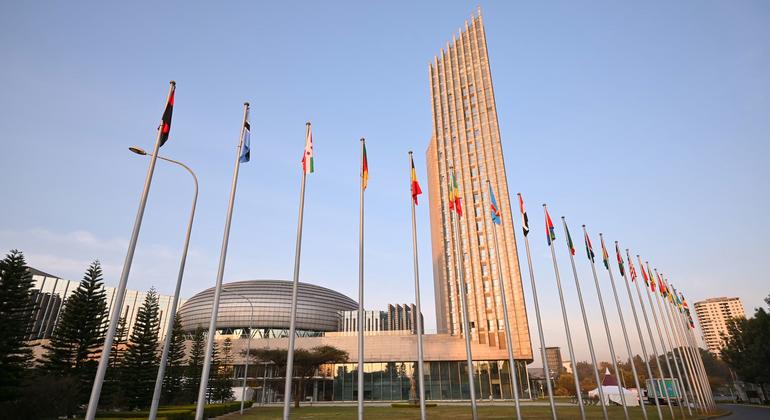
Reforms should also focus on enhancing regional coherence. By promoting collaboration among African nations, a unified voice can be established on the global stage. Initiatives like the African Union (AU) play a vital role in this pursuit, yet they need more support.
Building Resilience through Capacity Development
In order to elevate Africa’s presence globally, capacity-building initiatives must be prioritized. Programs aimed at enhancing skills, governance, and institutional frameworks can lay the groundwork for more impactful participation in international discussions.
The Path Forward
Harnessing Technology for Global Engagement
Leveraging technology and social media can amplify Africa’s voice. Digital platforms enable faster communication and mobilization, making it easier for African nations to advocate for their interests and share their narratives on the global stage.
Education as a Catalyst for Change
Investing in education will empower future generations with the skills and knowledge necessary to navigate complex global issues. A well-educated populace is vital for effective participation in international diplomacy and decision-making.
Collaborative Multilateral Efforts
Countries must work collaboratively to effect change. Building coalitions with other regions and aligning with like-minded nations on global issues can enhance Africa’s influence in international negotiations.
Conclusion
António Guterres’ visit to Addis Ababa underscores a pivotal moment for Africa on the global stage. As the continent grapples with numerous challenges, it also stands on the brink of transformation. Through reforms that amplify its voice in international governance and enhance regional cooperation, Africa can chart a course towards impactful representation in global affairs.
Emphasizing the need for equitable representation, advocacy for political stability, and addressing economic disparities, Guterres’ message serves as a call to action for both African nations and the global community. By working together, the potential for Africa to become a formidable force in international politics can be realized, ultimately fostering a more balanced and representative global governance structure.
By embracing reforms, investing in education, and leveraging technology, Africa can capitalize on its unique position to contribute more effectively to global discourses. As the continent continually evolves, it is poised not only to participate in global conversations but to shape them actively, ensuring that its voice resonates across the international landscape.
For more details and the full reference, visit the source link below:
Read the complete article here: https://news.un.org/feed/view/en/story/2026/05/1167503