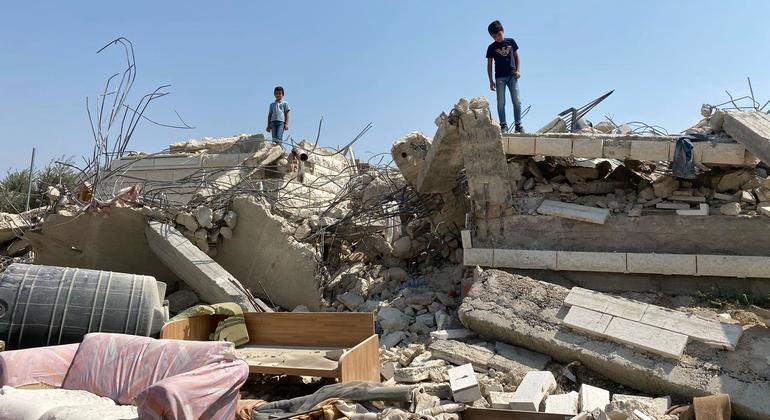

Children Shot, Stabbed, and Pepper-Sprayed in Occupied West Bank: A Humanitarian Crisis
Introduction
The situation in the occupied West Bank has reached alarming levels of violence, particularly affecting the most vulnerable members of society: the children. Reports of minors being shot, stabbed, and pepper-sprayed paint a disturbing picture of a conflict that has extended beyond adults. This article delves into these tragic incidents, exploring the underlying causes, the impact on children, and the urgent need for humanitarian intervention.
Understanding the Context: The Occupied West Bank
The West Bank has been a focal point of the Israeli-Palestinian conflict for decades. With a complex history of territorial disputes, the area has seen a decline in peace and stability. The ongoing military presence and increasing tensions have led to an environment where violence has become commonplace. Sadly, children find themselves caught in this turmoil, frequently becoming victims of brutal confrontations between Israeli forces and Palestinian residents.
Rising Incidents of Violence Against Children
Statistics and Reports
Recent reports indicate a worrying trend in the number of violent incidents involving children in the West Bank. According to UNICEF and various human rights organizations, hundreds of children have been injured in clashes and confrontations over the past few years. The specific incidents of children being shot, stabbed, and pepper-sprayed have raised global concern.
Case Studies
In several documented cases, young children engaged in protests or living in conflict zones have been directly affected by violence. Incidents involving live ammunition and other weapons highlight a critical need for immediate action to protect these innocent lives. Human rights activists argue that such violence against minors constitutes a grave breach of international law.
The Role of Armed Forces
Military Presence
The presence of Israeli armed forces in the West Bank often escalates conflict to life-threatening levels for children. Instances of military raids, curfews, and blockades only add to the tension felt within Palestinian communities. Many children live in daily fear of encountering soldiers who may react with aggression, creating an unsafe environment for them to grow up in.
Use of Non-Lethal Weapons
Pepper spray and other non-lethal means employed during crowd control have been shown to cause significant medical issues, particularly for children. The use of such tools raises ethical questions regarding their deployment in densely populated areas, where children are present.
Psychological Impact on Children
Trauma and Mental Health
The violent atmosphere of the West Bank takes a severe toll on the mental health of children. Prolonged exposure to violence can lead to post-traumatic stress disorder (PTSD), anxiety disorders, and other psychological issues. Children’s formative years are marred by experiences that can have lifelong implications.
Social Development
The violence and instability impede children’s social development and education. Schools located in conflict zones are often closed indefinitely, depriving children of their right to a quality education. The fear of violence prevents many from participating in social activities and enjoying a normal childhood.
International Response and Humanitarian Aid
Call for Action
International organizations, including UNICEF and Amnesty International, have continuously voiced their concerns regarding the treatment of children in conflict zones, urging policymakers to take immediate and decisive action. Awareness campaigns aim to shed light on the plight of these children, seeking support from global citizens and governments.
Humanitarian Efforts
Various NGOs are working tirelessly on the ground to provide medical aid, psychological support, and educational resources to children affected by conflict in the West Bank. These organizations play a crucial role in addressing immediate needs while advocating for long-term solutions.
The Importance of Education
Safe Spaces
Creating safe spaces for children is essential in mitigating the impact of violence. Educational programs that emphasize peacebuilding and conflict resolution can empower children to become agents of change within their communities.
The Role of International Organizations
International organizations play a pivotal role in promoting education initiatives that prioritize the safety and well-being of children in conflict zones. Their efforts can help combat the cycle of violence by providing a stable environment through education.
Conclusion: A Call for Compassionate Action
The heartbreaking reality of children being shot, stabbed, and pepper-sprayed in the occupied West Bank calls for immediate, compassionate action from the international community. Ensuring the safety and well-being of children should be a collective responsibility. By raising awareness, providing humanitarian aid, and advocating for peace, we can take significant steps to end the suffering of innocent lives caught in the crossfire of conflict.
Keywords: children, West Bank, violence, humanitarian crisis, pepper-spray, education, mental health, international response, child protection, conflict resolution.
For more details and the full reference, visit the source link below:
Read the complete article here: https://news.un.org/feed/view/en/story/2026/05/1167488