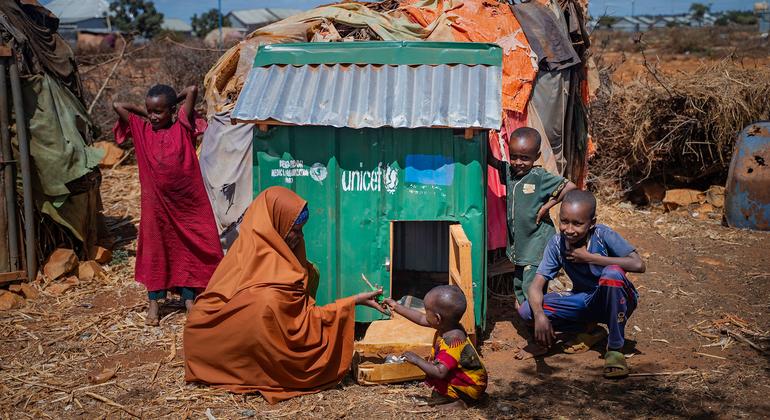

Somalia Teeters on the Brink of Catastrophe as Hunger Crisis Deepens
Introduction
Somalia is currently facing an unprecedented crisis that threatens the lives of millions. As famine looms, the options for aid and support are dwindling, pushing the nation further toward catastrophe. This article explores the depths of the hunger crisis, its causes, the implications for the future, and potential solutions.
Understanding the Hunger Crisis in Somalia
The Severity of Food Insecurity
According to the latest reports, over 7 million people in Somalia—nearly half the population—are facing acute food insecurity. This alarming statistic results from a combination of factors, including conflict, climate change, and economic instability. The situation is exacerbated by worsening climatic conditions, particularly drought, which has devastated crop yields and livestock health.
Historical Context of Hunger in Somalia
Somalia has experienced cycles of drought and conflict for decades. The civil war in the 1990s fractured governance and societal structures, leading to prolonged periods of instability and displacement. While sporadic past interventions have provided temporary relief, the underlying issues causing hunger have persisted, forming a complex layer of challenges that continue to plague the nation.
Causes of the Hunger Crisis
Climate Change and Extreme Weather
Recent years have witnessed increasingly severe droughts in Somalia, impacting agricultural productivity. The Intergovernmental Authority on Development (IGAD) has indicated that climate change is making droughts more frequent and intense. This reduction in available water severely limits food production and has led to skyrocketing prices for basic necessities.
Conflict and Insecurity
The ongoing conflict with militant groups, such as Al-Shabaab, further complicates humanitarian efforts. With clashes and instability rampant, NGOs and aid organizations struggle to distribute food and resources effectively. Cantankerous and insecure environments hinder access to remote regions, leaving many adversely affected by hunger without necessary assistance.
Economic Factors
The Somali economy remains fragile, with high unemployment rates and inflation worsening the situation. As foreign aid diminishes and local markets destabilize, families are unable to afford basic food items. The resultant vicious cycle of poverty and hunger only deepens the crisis.
Implications for the Future
Humanitarian Consequences
The rising rates of malnutrition and illness deeply concern health experts. Children are particularly vulnerable; malnutrition can lead to lifelong health issues or even death. Schools, too, are impacted, as hunger often forces children to drop out to support their families, ultimately affecting the nation’s future workforce.
Economic Collapse
If left unaddressed, the hunger crisis could precipitate a broader economic collapse, as key sectors like agriculture and trade falter due to reduced labor supply and productivity. This economic meltdown would not only affect Somalia but could also spill over into regional instability, impacting neighboring countries.
Global Response and Initiatives
International Aid Efforts
International organizations and governments are ramping up their responses, pledging millions in aid. The UN has been proactive in mobilizing resources, but the sheer scale of the crisis presents difficulties. Funds are necessary for emergency food aid, medical assistance, and long-term recovery programs.
Local Initiatives
Amidst the chaos, local communities are taking initiatives to combat hunger. Grassroots organizations are emerging, focusing on more sustainable agricultural practices and food security measures. These local initiatives often provide immediate relief and foster resilience within communities.
Long-term Solutions and Path Forward
Sustainable Agricultural Practices
Investing in sustainable agriculture is imperative. Techniques that focus on drought-resistant crops and efficient water usage can create a more resilient agricultural framework. Training local farmers in these practices can help build a foundation for long-term food security.
Strengthening Governance
Stabilizing the governance structure in Somalia is crucial. A government that effectively manages resources, strengthens security, and mitigates conflicts can create a conducive environment for humanitarian assistance and development programs.
Empowering Resilience
Communities must be empowered to adapt to changing climate conditions and economic challenges. Programs that educate and equip individuals and families to create diversified income sources and improve overall resilience can help break the cycle of poverty and hunger.
Conclusion: Urgency for Action
Somalia stands at a crossroads, teetering on the brink of catastrophe as the hunger crisis deepens. With millions at risk, urgent and coordinated action is required from both the global community and local stakeholders. As history has shown, neglect can lead to dire humanitarian consequences. It is time to act decisively and support Somalia in reclaiming a future where hunger and poverty are relegated to the past.
Call to Action
We call on international organizations, governments, and civil society to invest in immediate and long-term solutions to combat the hunger crisis in Somalia. Collective effort can pave the way for stability, resilience, and renewed hope for millions unified in the fight for survival.
For more details and the full reference, visit the source link below:
Read the complete article here: https://news.un.org/feed/view/en/story/2026/05/1167473