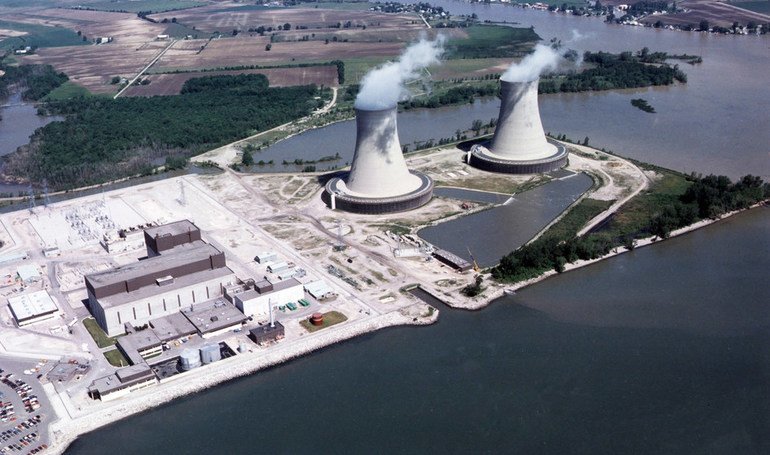

Nuclear Energy in the Middle East: A Realistic Choice or a Risk?
The debate surrounding nuclear energy in the Middle East has gained momentum in recent years, raising questions about its potential as a sustainable energy source and the risks it poses. In this article, we delve into various facets of nuclear energy in the region, considering its benefits, challenges, and implications.
Understanding Nuclear Energy
What is Nuclear Energy?
Nuclear energy is produced through the process of nuclear fission, where atomic nuclei are split to release energy. It offers a high-output and low-carbon alternative to fossil fuels, making it an attractive option for countries seeking energy independence and sustainability.
The Global Context
Globally, nuclear energy contributes approximately 10% of the world’s electricity. Countries like France, the United States, and China rely heavily on nuclear power, showing that it can be a viable source of energy when managed effectively.
The Energy Landscape in the Middle East
Current Energy Sources
The Middle East is richly endowed with oil and natural gas reserves, dominating the energy landscape. However, as these resources are finite, there’s an increasing need to diversify energy sources to ensure long-term sustainability.
Growing Energy Demand
Countries in the region are experiencing rising energy demands due to population growth, urbanization, and industrialization. This burgeoning appetite for energy has made nuclear power an attractive alternative.
Potential Benefits of Nuclear Energy
Energy Security
Nuclear energy can enhance energy security by reducing dependence on imported fossil fuels. As geopolitical tensions in the region can disrupt oil and gas supplies, nuclear energy offers a stable and reliable energy source.
Environmental Impact
With pressing concerns about climate change, nuclear power presents a low-carbon energy option. Unlike fossil fuels, nuclear energy does not emit greenhouse gases during electricity production, aligning with global goals to reduce emissions.
Economic Advantages
Investments in nuclear power plants can lead to job creation and stimulate local economies. Additionally, nuclear energy has the potential to reduce energy costs over the long term, as it generally has lower operating costs compared to fossil fuel-based energy generation.
The Risks of Nuclear Energy
Safety Concerns
Nuclear energy is often associated with severe safety risks. Accidents, such as those at Chernobyl and Fukushima, have heightened public fear of nuclear energy. In the politically unstable Middle East, a nuclear incident could have catastrophic consequences.
Proliferation Threats
One of the most pressing concerns about nuclear energy in the Middle East is the risk of nuclear proliferation. Countries may use nuclear energy programs as a cover to develop nuclear weapons, exacerbating regional tensions and conflicts.
Waste Management
The safe disposal of nuclear waste remains a significant challenge. The long half-life of radioactive materials requires secure storage solutions for thousands of years, raising concerns about potential contamination of local ecosystems.
Case Studies: Nuclear Initiatives in the Middle East
United Arab Emirates (UAE)
The UAE has made significant strides in nuclear energy by commissioning the Barakah Nuclear Power Plant, its first nuclear facility. The UAE aims to generate 25% of its electricity from nuclear energy by 2030. The UAE efficiently navigated the regulatory landscape and partnered with international experts, showcasing a model for others in the region.
Iran
Iran’s nuclear program has been a point of contention and suspicion for many countries, particularly the U.S. and its allies. While Iran claims its program is intended for peaceful purposes, the potential for weaponization concerns many, complicating the discourse around nuclear energy in the region.
Saudi Arabia
Saudi Arabia has announced plans to develop nuclear energy projects as part of its Vision 2030 strategy. Despite its ambitions to diversify energy sources, concerns about nuclear proliferation and safety remain, especially due to its geopolitical position.
Navigating the Complexities
Regional Cooperation
The complexities surrounding nuclear energy in the Middle East necessitate regional cooperation and diplomatic efforts. Collaborative frameworks for safety, regulatory standards, and waste management could pave the way for a safer nuclear landscape.
Investment in Safety Infrastructure
To mitigate risks, investing in safety infrastructure and technology is crucial. Countries must prioritize safety protocols, emergency preparedness, and public education to alleviate fears about nuclear energy.
Global Oversight
International bodies like the International Atomic Energy Agency (IAEA) can play a pivotal role in assuring safety and preventing nuclear proliferation. Strengthening global oversight mechanisms can build trust and ensure that nuclear energy initiatives are used solely for peaceful purposes.
Conclusion: A Path Forward
Nuclear energy in the Middle East presents both remarkable opportunities and significant risks. It has the potential to address the region’s energy security needs and contribute to environmental sustainability. However, a cautious approach is essential to alleviate safety concerns and prevent proliferation.
The Future of Nuclear Power
As the Middle East navigates its energy transition, the debate surrounding nuclear energy will likely continue. The hope is that countries will invest in safe, responsible, and collaborative nuclear initiatives that prioritize peace, safety, and sustainability.
By balancing these considerations, the region can harness the potential of nuclear energy while minimizing associated risks, paving the way for a more resilient and sustainable energy future.
For more details and the full reference, visit the source link below:
Read the complete article here: https://news.un.org/feed/view/en/story/2026/05/1167448