
In Lebanon, the Same Fears and Dangers Persist Despite Ceasefire
Lebanon, a country steeped in rich history and diverse cultures, has experienced decades of political turmoil and conflict. Though a ceasefire may bring temporary relief, the underlying fears and dangers continue to plague its citizens. This article explores the ongoing challenges faced by the Lebanese people, highlighting the role of the UNHCR and the need for sustainable solutions.
The Political Landscape of Lebanon
Historical Context
Lebanon’s political landscape has been shaped by a series of conflicts, most notably the Lebanese Civil War (1975-1990). Despite the end of the war, the country remains heavily influenced by sectarian divisions and regional rivalries. Political instability continues to fuel fears among citizens, who live in a constant state of uncertainty.
The Impact of Regional Conflicts
Lebanon is situated at the crossroads of the Middle East, making it susceptible to the effects of regional conflicts such as the Syrian Civil War. The influx of refugees has created additional pressure on Lebanon’s fragile infrastructure and economy, further exacerbating existing tensions. The UNHCR (United Nations High Commissioner for Refugees) plays a crucial role in addressing the humanitarian needs of both refugees and host communities.
The Role of the UNHCR in Lebanon
Support for Refugees
The UNHCR has been actively involved in Lebanon since the onset of the Syrian conflict, assisting approximately 1.5 million registered refugees. Their initiatives focus on providing essential services, including shelter, food, and medical care. However, as the conflict drags on, the challenges grow more complex.
Advocacy for Durable Solutions
While immediate aid is critical, the UNHCR also advocates for durable solutions, emphasizing the importance of self-reliance and integration for refugees. Partnerships with local NGOs and governments are essential for developing programs that address long-term needs, but hurdles remain, particularly in a country grappling with its own socio-economic issues.
Persistent Fears Among the Lebanese People
Economic Instability
One of the foremost fears plaguing citizens is economic instability. Lebanon has been in the grip of a financial crisis since 2019. The Lebanese pound has lost significant value, leading to soaring inflation rates and increased poverty. Families struggle to afford basic necessities, such as food and fuel, leading to feelings of hopelessness.
Security Concerns
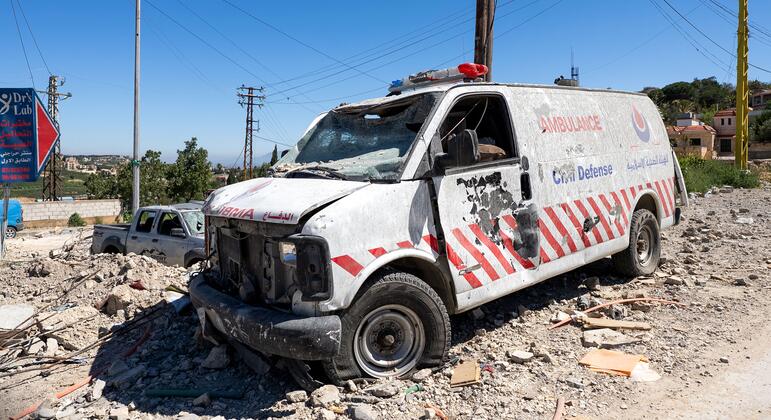
Despite the ceasefire, security remains an ongoing concern. Fears of renewed violence are ever-present, particularly in regions affected by clashes between different factions. The psychological toll of living in a volatile environment cannot be underestimated, as citizens remain on edge, unsure of what each day may bring.
Social Cohesion Challenges
Lebanon’s rich tapestry of sectarian affiliations poses a unique challenge to social cohesion. Tensions between various communities can lead to increased polarization, making it difficult to foster a sense of national unity. Many Lebanese people fear that without tangible progress towards inclusivity, the cycle of conflict may continue.
Humanitarian Needs and Responses
Urgent Humanitarian Assistance
The UNHCR’s ongoing humanitarian assistance is crucial but increasingly inadequate in light of the growing needs. As resources dwindle, many refugees and vulnerable Lebanese citizens find themselves in precarious situations, often resorting to dangerous coping mechanisms.
Ongoing Health Crisis
Lebanon’s healthcare system, already strained before the pandemic, is hanging by a thread. The COVID-19 crisis exacerbated existing issues, leading to widespread concerns about access to healthcare services. Many families, both Lebanese and refugees, face impossible choices when it comes to seeking medical treatment.
Education: A Lost Generation?
Educational access is another critical area affected by the crisis. With over 1 million children in need of educational support, the UNHCR and other organizations are working tirelessly to keep children in school. However, with the deteriorating economic conditions, fears of a lost generation loom large.
The International Community’s Role
Global Solidarity and Support
While regional and local efforts are vital, the international community must step up its support for Lebanon. It’s crucial to address the root causes of instability and provide funding for humanitarian programs. Sustained international attention can reduce fears and dangers for all residents, both Lebanese and refugees.
Sustainable Development Initiatives
Investing in sustainable development initiatives is essential for long-term peace and stability. Programs focusing on economic revitalization, job creation, and social cohesion can help address the deep-rooted challenges that Lebanon faces.
Conclusion: A Call to Action
Lebanon is at a crossroads. Despite the ceasefire, the fears and dangers that have plagued the nation persist, fueled by economic instability, a fragile political landscape, and social fragmentation. The UNHCR’s role remains vital, but the need for a collective response from the international community is more pressing than ever.
Sustainable solutions that address both the humanitarian and socio-economic crises are essential for restoring hope. Only through unity and resilience can the dreams of a peaceful and prosperous Lebanon be realized. The time for action is now, and the world must not turn its back on this resilient nation.
SEO Considerations:
- Keywords: Lebanon, ceasefire, UNHCR, refugees, economic instability, social cohesion, humanitarian assistance, security concerns.
- Meta Description: Explore the persistent fears and dangers in Lebanon despite a ceasefire, highlighting the role of the UNHCR and the need for sustainable solutions.
- Internal Linking: Consider connecting with related articles about Lebanon, humanitarian crises, and UNHCR efforts.
- External Linking: Link to credible sources such as the UNHCR official website, news articles, and reports about Lebanon’s current situation.
This comprehensive analysis not only sheds light on the complexities facing Lebanon today but also aims to raise awareness about the importance of international support and solidarity.
For more details and the full reference, visit the source link below:
Read the complete article here: https://news.un.org/feed/view/en/story/2026/05/1167442