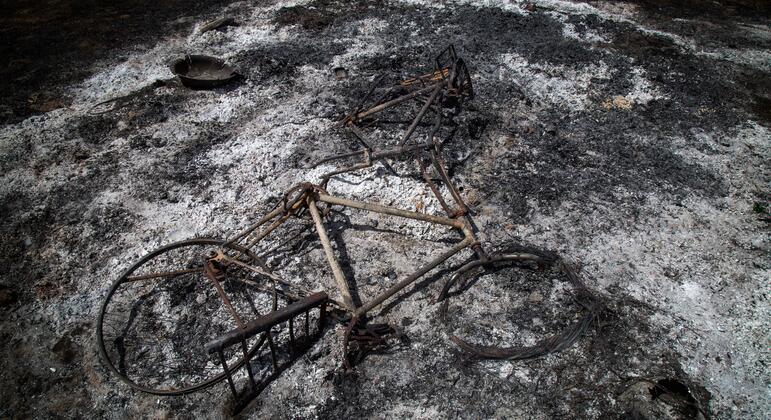

UN Warns of Worsening Human Rights Crisis in Mali After Deadly Attacks
Introduction
The United Nations (UN) has issued a stark warning regarding the escalating human rights crisis in Mali, particularly in light of recent deadly attacks. The situation has raised alarm bells not only for locals but also for the international community, who are increasingly concerned about the implications for stability and security in the region.
Context of the Human Rights Crisis in Mali
Mali has been embroiled in conflict since 2012 when a rebellion by Tuareg separatists in the northern region gave way to a complex web of ethnic violence, extremist incursions, and a military coup. This turmoil has manifested in egregious human rights violations, including arbitrary detentions, extrajudicial killings, and widespread displacement. Recent reports indicate that attacks have intensified, exacerbating an already dire humanitarian situation.
Recent Deadly Attacks
In a series of violent incidents, armed groups have targeted both military personnel and civilians. These attacks have highlighted the vulnerability of various communities and the challenges faced by the Malian government and its international partners in restoring peace and stability. The UN has reported that such violence not only undermines local governance but also contributes to a culture of fear that stifles development and community relations.
The UN’s Role in Mali
The UN has been actively involved in Mali for several years, primarily through the United Nations Multidimensional Integrated Stabilization Mission in Mali (MINUSMA). The mission aims to provide security, support the implementation of peace agreements, and protect human rights. However, despite these efforts, recent developments have prompted the UN to reassess its strategies and interventions.
Human Rights Violations
Reports from various human rights organizations indicate a troubling pattern of abuse. Civilians are often caught in the crossfire between government forces and various militant groups. Instances of torture, forced disappearances, and gender-based violence have been documented, raising concerns about the accountability of security forces and non-state actors alike.
Humanitarian Impact
The deteriorating situation in Mali has led to a significant humanitarian crisis. Over five million people are estimated to be in need of humanitarian assistance, with food insecurity rates at alarmingly high levels. Displacement due to violence has left thousands homeless, increasing the strain on already overstretched resources.
The Role of Displacement
Internally displaced persons (IDPs) often find themselves in precarious conditions, lacking access to basic services such as healthcare, education, and sanitation. The ongoing violence has created a cycle of desperation, forcing communities to make difficult choices about survival, often leading to further conflict.
Recommendations for International Response
To address the worsening human rights crisis in Mali, the UN has called for a concerted international effort. Recommendations include:
Enhanced Security Measures
The UN advocates for increased support for Malian security forces to better protect civilians and combat extremist groups. This includes providing training, resources, and intelligence-sharing to strengthen local capacities.
Focus on Human Rights Accountability
Holding perpetrators of human rights violations accountable is essential to restoring trust in governance. The international community must support local judicial systems and advocate for reforms that prioritize human rights.
Supporting Humanitarian Efforts
Increasing humanitarian aid is crucial to addressing the immediate needs of those affected by violence. The UN and other international organizations should work together to ensure that aid reaches vulnerable populations without delay.
The Role of the International Community
The responsibility of addressing the human rights crisis in Mali falls not just on the Malian government but also on the broader international community. Solidarity with Malian civilians through diplomatic channels, humanitarian support, and initiatives promoting education and economic development can pave the way for long-term stability.
The Importance of Education and Youth Empowerment
Investing in education, particularly for young people, is a preventive measure that can help reduce future conflicts. Empowered youth are less susceptible to radicalization and can contribute positively to their communities.
Conclusion
The UN’s warning about the worsening human rights crisis in Mali underscores an urgent need for immediate action. As the situation intensifies, the focus must remain on protecting civilians, upholding human rights, and fostering an environment conducive to peace and stability. The path forward will require cooperation among Malian authorities, the UN, and international partners to break the cycle of violence and restore hope to a nation besieged by conflict.
Call to Action
Individuals and organizations interested in supporting Mali should consider engaging in advocacy efforts, promoting awareness, and contributing to humanitarian organizations working on the ground. The plight of those affected by this crisis cannot be ignored; collective action is essential for change.
This SEO-optimized article includes relevant headings and keywords while promoting awareness about the humanitarian crisis in Mali. Localized implications for international relations, humanitarian responses, and responsible actions to mitigate risks are also highlighted for improved reader engagement.
For more details and the full reference, visit the source link below:
Read the complete article here: https://news.un.org/feed/view/en/story/2026/05/1167441

