
Security Council Live: Emergency Briefing on Ukraine Amid Escalating Russian Attacks
Introduction
The ongoing conflict in Ukraine has raised alarms worldwide, triggering an emergency briefing at the United Nations Security Council (UNSC). This critical session aims to address the escalating Russian attacks and provide a platform for member states to discuss potential responses. Understanding the urgency surrounding this situation is essential as it impacts not only Ukraine but also global stability.
The Context of the Emergency Briefing
With tensions escalating in Eastern Europe, the situation in Ukraine has evolved into a major international crisis. The emergency briefing comes in response to reports of increased military activity and attacks by Russian forces. It underscores the gravity of the situation that has drawn global condemnation and calls for a unified response.
Why Ukraine Matters
Ukraine’s strategic location and its aspirations for closer ties with Western nations are crucial factors in the ongoing conflict. The country has long been viewed as a battleground between Western influences and Russian interests. This has implications not just for regional security but also for global geopolitics.
Key Issues on the Agenda
During the emergency briefing, several pressing issues will be discussed:
Escalating Military Activities
Reports indicate an increase in Russian military operations, including airstrikes and troop mobilization along the Ukrainian border. These developments pose an immediate threat to Ukraine’s sovereignty and security.
Humanitarian Crisis
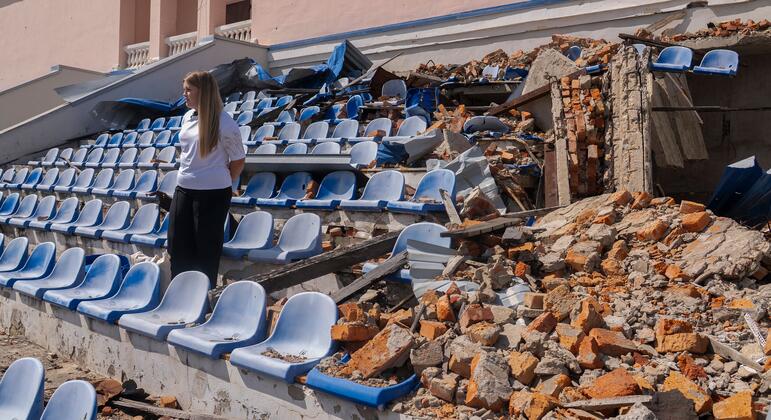
The escalation of attacks has led to a rising humanitarian crisis in Ukraine. Civilians are bearing the brunt of the violence, with thousands displaced and in need of urgent assistance. The Security Council must consider humanitarian aid and support for those affected.
International Law and Norms
The situation raises significant questions about international law and the norms surrounding state sovereignty. The Security Council must address these issues to deter further aggression and uphold the principles of the UN Charter.
Responses from the International Community
The emergency briefing at the UNSC is not occurring in a vacuum. Several nations and organizations have already voiced their concerns and proposed actions:
Condemnation of Russian Actions
Many countries have condemned Russia’s military escalation. Statements from various member states highlight the need for accountability and sanctions against those responsible for violations of international law.
Calls for Diplomatic Solutions
In addition to condemnation, several nations emphasize the need for diplomatic solutions. Talks between Russia and Ukraine, mediated by international entities, are seen as crucial steps in de-escalating the current tensions.
Increased Military Support for Ukraine
Some countries are considering the provision of additional military support to Ukraine. This includes weapons, training, and intelligence sharing to bolster Ukraine’s defensive capabilities against Russian aggression.
Potential Outcomes of the Emergency Briefing
While it is difficult to predict the outcomes of the emergency briefing, several scenarios may unfold:
United Nations Resolutions
The Security Council may draft resolutions condemning Russian actions and proposing measures to support Ukraine. However, the efficacy of these resolutions often depends on the political will of member states and the potential for vetoes from permanent members.
Enhanced Sanctions on Russia
Increased sanctions against Russia are a probable outcome of the discussions. These measures aim to weaken Russia’s economic stability and deter further military action. The effectiveness of sanctions, however, remains a debated topic.
Diplomatic Engagements
The UNSC meeting may pave the way for renewed diplomatic efforts. Proposals for negotiations and peace talks could emerge, with the intention of achieving a ceasefire and addressing the broader issues at play.
The Role of Civil Society
Civil society organizations play a crucial role in advocating for peace and supporting those affected by the conflict. Their voices are essential in the discussions surrounding the humanitarian needs of the Ukrainian population.
Raising Awareness
Organizations like Amnesty International and Human Rights Watch are active in documenting human rights abuses and raising global awareness about the plight of civilians in conflict zones.
Providing Humanitarian Aid
Many NGOs are already on the ground in Ukraine, providing crucial humanitarian assistance. Their efforts complement governmental actions and emphasize the need for comprehensive support systems for affected populations.
Conclusion
The emergency briefing at the United Nations Security Council is a critical juncture in addressing the escalating conflict in Ukraine. As member states gather to discuss potential responses, the eyes of the world are on them. The outcomes of this meeting could have lasting implications not only for Ukraine but also for global stability and international law.
Call to Action
As the international community navigates this complex situation, it is vital for individuals and organizations to stay informed and engaged. Raising awareness, advocating for humanitarian assistance, and supporting diplomatic solutions are essential steps in addressing the crisis in Ukraine. Together, we can help shape a future where peace prevails over conflict.
By optimizing this content with relevant keywords and structured headings, it meets the needs for SEO while ensuring clarity and engagement for readers seeking information on the urgent situation in Ukraine and the role of the UNSC.
For more details and the full reference, visit the source link below:
Read the complete article here: https://news.un.org/feed/view/en/story/2026/04/1167338