
Millions of Desperate Sudanese Return Home Amid Dire Conditions as War Rages
Introduction: A Troubling Exodus
Sudan, once a land of diverse cultures and rich resources, is currently engulfed in violent turmoil. The civil war has forced millions of Sudanese citizens to flee their homes in search of safety and stability. As fighting intensifies, a significant number of these displaced individuals are making the perilous journey back home, often under dire conditions. This article explores the implications of this situation, the challenges faced by returnees, and the broader impact on Sudanese society.
The Humanitarian Crisis: A Country in Ruins
Sudan is at a critical point in its history. Decades of conflict and political unrest have culminated in an ongoing civil war, displacing millions and creating one of the worst humanitarian crises in the world. As the war rages on, many Sudanese are compelled to leave refugee camps or safe havens in neighboring countries, seeking to return to their homeland despite the looming dangers.
Displacement Statistics: A Grim Reflection
According to various humanitarian organizations, over 15 million Sudanese have been displaced since the conflict reignited. Many have sought refuge in countries like Chad, South Sudan, and Egypt. However, a growing number are beginning to return home, driven by desperation, the desire to reunite with loved ones, and the hope for eventual peace.
Risky Journeys: The Reality of Return
Unsafe Conditions
The routes back to Sudan are fraught with peril. Returnees face numerous obstacles, including conflict zones, landmines, and a lack of safe passage. Along the way, they are often subject to harassment, extortion, and violent attacks. Moreover, the infrastructure—roads, railways, and bridges—has suffered extensive damage during the war, making travel even more treacherous.
Food and Shelter Shortages
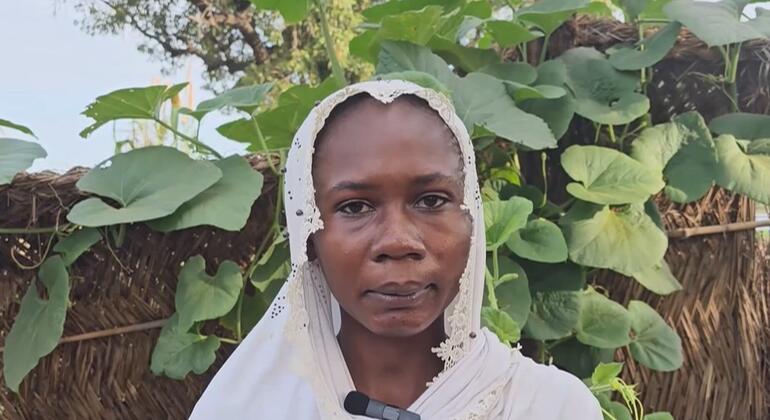
Upon reaching their homes or what is left of them, returnees encounter shocking realities. The basic necessities of life such as food, clean water, and adequate shelter are in short supply. Agricultural lands, once a source of livelihood, are now barren fields, and many families are trying to survive in makeshift shelters. International aid has been slow to arrive, and local resources are insufficient to accommodate the returning masses.
The Psychological Toll: Effects of War Trauma
Mental Health Crisis
Returning to a war-torn environment can have devastating effects on the mental health of returnees. Many have experienced trauma from violence, loss of family members, and the hardships of displacement. Lack of access to mental health support exacerbates these issues, resulting in a generation plagued by emotional scars.
Community Fragmentation
Social fabric is also under immense strain. Communities that once thrived now face divisions as individuals return with differenced experiences and perspectives. Displacement has altered relationships, and the process of reintegrating can lead to tensions and further conflict within communities.
Hope Amidst Despair: The Resilience of Sudanese People
Grassroots Movements
Despite these challenges, there are glimmers of hope. Grassroots organizations have mobilized to provide aid to returning populations. Local non-profits and community members are working tirelessly to offer food, medical care, and psychological support. These grassroots movements reflect the resilience and solidarity of Sudanese citizens even in the face of overwhelming odds.
International Support and Aid
International organizations, while limited in resources, are beginning to recognize the pressing need for support. Humanitarian aid is attempting to address food insecurity, health needs, and shelter shortages. However, more robust and sustained international engagement is needed to help restore stability and foster development.
Challenges Ahead: The Need for Sustainable Solutions
Political Stability
For Sudan to recover and thrive again, long-term political stability is essential. The current administration and local governments must work collaboratively to establish peace agreements that can alleviate tensions and provide a roadmap for a stable future. Public involvement and community dialogue will be crucial to any lasting solution.
Economic Rebuilding
Economically, Sudan must transition from a state of crisis to one of production and sustainability. This involves rebuilding infrastructure, reinvigorating markets, and providing vocational training for returnees. With many citizens eager to work and contribute, there is potential for economic revival if supported through proper policies and investments.
Conclusion: A Call for Global Awareness
The situation in Sudan is dire, yet it is essential to understand the complexities at play. Millions of desperate Sudanese returning home face unimaginable challenges, but they also embody an indomitable spirit of resilience. It is imperative that the global community does not turn a blind eye to this crisis. Increased awareness and attention are crucial for action to provide immediate relief and foster a path toward a peaceful and prosperous Sudan.
By focusing on SEO optimization through relevant keywords such as “Sudan crisis,” “displaced Sudanese,” “civil war,” “humanitarian aid,” and “community resilience,” this article aims to increase visibility, enabling a broader audience to engage with the pressing issues facing millions in Sudan.
For more details and the full reference, visit the source link below:
Read the complete article here: https://news.un.org/feed/view/en/story/2026/04/1167341