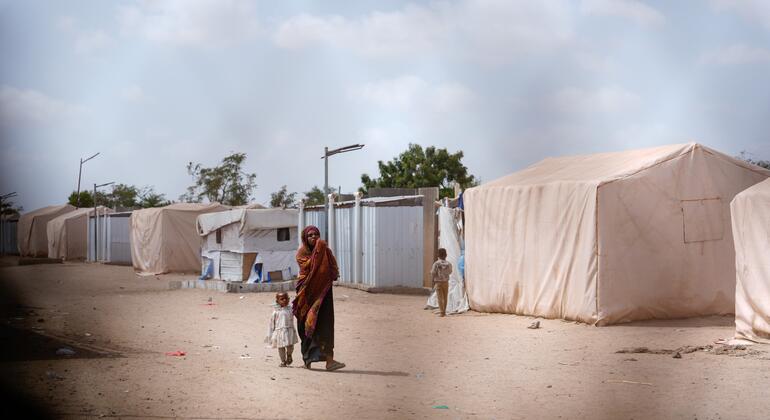

Yemen Parties Agree Under UN Mediation to Release 1,600 Detainees
Introduction
The long-standing conflict in Yemen has taken a devastating toll on its people, resulting in a humanitarian crisis that has drawn international attention. Amidst this turmoil, recent developments have emerged as beacons of hope. Under the auspices of United Nations mediation, the conflicting parties in Yemen have reached an agreement to release 1,600 detainees. This breakthrough not only marks a significant milestone in the peace process but also has potential implications for the humanitarian situation in the region.
Context of the Yemen Conflict
Yemen’s civil war, which began in 2014, has pitted the internationally recognized government against the Houthi rebel movement. This conflict has resulted in widespread suffering, with millions displaced and countless lives lost. Amidst the violence, arbitrary detentions and human rights violations have surged, leaving families torn apart and communities in despair.
UN Mediation Efforts
The United Nations has been tirelessly working to mediate the conflict and promote dialogue among the parties involved. Persistent negotiations have focused on achieving a comprehensive ceasefire and engaging in peace talks. The recent agreement to release detainees is a critical step in this mediation process, reflecting the UN’s commitment to fostering dialogue and addressing humanitarian needs.
Key Details of the Agreement
The agreement to release 1,600 detainees encompasses various groups held by different factions involved in the conflict. This release includes not only political prisoners but also individuals detained for various reasons during the years of conflict. The specifics of the release remain under discussion, but a framework has been established to ensure that the process is transparent and inclusive.
Humanitarian Impact
The release of detainees is expected to have profound effects on the humanitarian situation in Yemen. Families torn apart by injustice and violence will have the opportunity to reunite, facilitating healing in communities that have been devastated by war. Furthermore, this move sends a strong message about the importance of human rights and dignity, reinforcing the need for accountability in the face of conflict.
International Reactions
The international community has welcomed the announcement of the detainee release. Various organizations, including human rights groups and governments, have expressed optimism that this agreement may lead to further steps towards peace in Yemen. The potential for dialogue and cooperation among the conflicting parties is essential for moving forward and addressing the myriad challenges facing Yemen.
Challenges Ahead
Despite the positive developments surrounding the detainee release, significant challenges remain. The implementation of this agreement requires careful planning and coordination among the parties, as well as continued support from the international community to ensure that further breaches of human rights do not occur. Additionally, rebuilding trust among conflicting factions will be essential for sustained peace.
The Role of Local Communities
Local communities play a critical role in the healing process following years of conflict. Engaging with community leaders and stakeholders can provide insights into how groups perceive the situation and what measures are needed for lasting peace. Inclusivity in post-conflict reconstruction efforts will be vital to ensure that all voices are heard and considered.
The Path Forward
The recent agreement to release detainees in Yemen serves as a vital sign of hope amid persistent challenges. As the international community observes this historic moment, it is essential to encourage continued dialogue and negotiations among the conflicting parties. A proactive approach in addressing humanitarian needs, human rights violations, and accountability will pave the way for a more stable and peaceful Yemen.
Conclusion
The agreement to release 1,600 detainees under UN mediation marks a crucial step towards peace in Yemen. While the road ahead is fraught with challenges, this development shines a light on the possibility of dialogue and healing in a war-torn nation. Continued international support and engagement will be vital in sustaining momentum toward a comprehensive peace agreement, ultimately leading to a brighter future for the people of Yemen.
FAQs
What role did the UN play in the detainee release agreement?
The United Nations facilitated negotiations between the conflicting parties, emphasizing the importance of addressing human rights issues and fostering dialogue.
How many detainees will be released, and who are they?
The agreement includes the release of 1,600 individuals detained for various reasons, encompassing political prisoners and others affected by the conflict.
What is the humanitarian impact of releasing detainees?
Releasing detainees has the potential to reunite families, restore human dignity, and signal a commitment to human rights amidst ongoing conflict.
What challenges remain in the Yemen peace process?
Challenges include implementing the detainee release, rebuilding trust among parties, addressing ongoing human rights violations, and engaging local communities.
How can the international community support Yemen’s peace efforts?
Offering continued diplomatic support, humanitarian assistance, and monitoring compliance with agreed-upon terms is crucial for achieving lasting peace in Yemen.
By focusing on hope, dialogue, and healing, the path forward can be illuminated for the people of Yemen as they seek a resolution to their complex conflicts.
For more details and the full reference, visit the source link below:
Read the complete article here: https://news.un.org/feed/view/en/story/2026/05/1167511