
World News In Brief: Key Updates for a Global Audience
The world is an ever-changing tapestry of information, with breaking events and issues requiring our attention. This brief encapsulates significant developments, including the intensifying conflict in Sudan, the deepening of global inequality, advances in HIV treatment, and the alarming rise in ‘domicide’ across the globe.
1. Sudan Conflict Intensifies
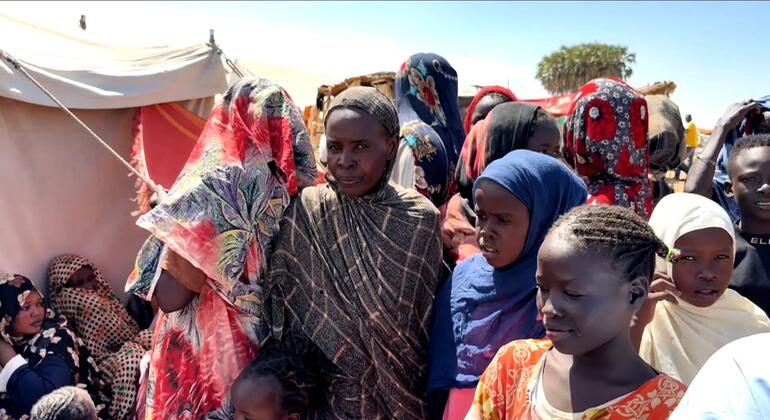
The ongoing conflict in Sudan has escalated, leading to a humanitarian crisis that is affecting millions. Since April 2023, clashes between the Sudanese Armed Forces and the Rapid Support Forces have intensified, leading to widespread violence and displacement. As fighting continues, humanitarian organizations report that access to basic necessities such as food, water, and medical supplies is diminishing.
Humanitarian Impact
The United Nations estimates that over 15 million people are in urgent need of assistance. Refugee camps are overflowing, with many fleeing to neighboring countries like Chad and Egypt. The international community is calling for a ceasefire, but peace talks remain stalled. The conflict risks spilling over into other regions, potentially destabilizing the entire Horn of Africa.
Global Response
Countries around the world are expressing concern, leading to sanctions and diplomatic efforts aimed at resolving the crisis. However, with the complexity of the local dynamics, achieving lasting peace appears to be a daunting task. The situation continues to evolve, and the international community must remain vigilant.
2. Global Inequality Deepening
As the world grapples with economic recovery from the pandemic, global inequality is rising to alarming levels. According to a recent report by Oxfam, the wealth gap has widened dramatically, particularly in developing countries, exacerbated by inflation and economic instability.
Economic Divide
While billionaires have seen their fortunes soar, the poorest populations are struggling to meet basic needs. The report highlights that 42% of the global population is living on less than $5.50 a day, making it increasingly difficult for families to break free from poverty. This economic divide is not just a humanitarian issue; it poses significant risks for global stability and growth.
Solutions in Sight
Experts argue that addressing this inequality requires systemic change. Policy reforms, better access to education and healthcare, and sustainable economic practices are critical to alleviate these disparities. Countries must work together to create a more equitable world, as global inequality undermines economic stability and social cohesion.
3. HIV Success Amid New Medicine
On a more positive note, recent advancements in HIV treatment are offering hope to millions worldwide. A new class of antiretroviral drugs has shown promise, improving the quality of life for those living with the virus and reducing transmission rates.
Breakthrough in Treatment
The new medication, known as long-acting injectable therapy, allows patients to receive treatment less frequently than traditional daily pills. Studies indicate that this can lead to better adherence to medication regimens, which is crucial for preventing the spread of HIV.
Global Impact
Organizations such as UNAIDS have reported a significant decrease in new infections, particularly in high-risk populations. However, they also warn that despite these advancements, significant barriers remain, including stigma and lack of access to healthcare services in many regions.
4. Increase in ‘Domicide’ Worldwide
A troubling trend has emerged in recent years: the rise of ‘domicide’—the deliberate destruction of homes and shelters that affects marginalized communities. This phenomenon is gaining attention as global issues like migration and urbanization exacerbate housing instability.
Understanding Domicide
Domicide often occurs in conflict zones, but it is also increasingly seen in urban settings where gentrification forces families out of their homes. Reports of demolitions and forced evictions are rising, leading to protests from affected communities. Experts argue that this violates basic human rights.
Global Awareness and Action
Increasing global awareness about housing justice is prompting advocacy groups to demand reforms. The United Nations has been called upon to include housing as a fundamental human right in its development goals, urging nations to protect vulnerable populations from domicide.
Conclusion: A Call for Global Engagement
These global issues—from the humanitarian crisis in Sudan to the rise in domicides and advances in HIV treatment—remind us of the interconnectedness of our world. Awareness and action are paramount. The international community must come together to address these critical challenges—persistent inequality, the quest for humanitarian aid, medical advancements, and safeguarding housing rights—shaping a more just and equitable global future.
SEO Optimization Tips
- Use Keywords Strategically: Incorporate terms like “Sudan conflict,” “global inequality,” “HIV treatment,” and “domicide” throughout the article.
- Subheadings: Utilize relevant subheadings to enhance readability and optimize search engine results.
- Meta Descriptions: Create compelling meta descriptions summarizing the article’s insights for increased click-through rates.
- Internal and External Links: Link to reputable sources and related articles to provide readers with additional context and enhance credibility.
- Mobile-Friendly Design: Ensure content is easily accessible on mobile devices to engage a broader audience.
By effectively communicating these pressing issues, we not only inform the global community but also encourage solutions that can foster a better world for all.
For more details and the full reference, visit the source link below:
Read the complete article here: https://news.un.org/feed/view/en/story/2026/03/1167085

