
World News in Brief: Displacement in South Sudan, Fraud Centres in the Philippines, and New Migration Patterns in Latin America
Displacement Crisis in South Sudan
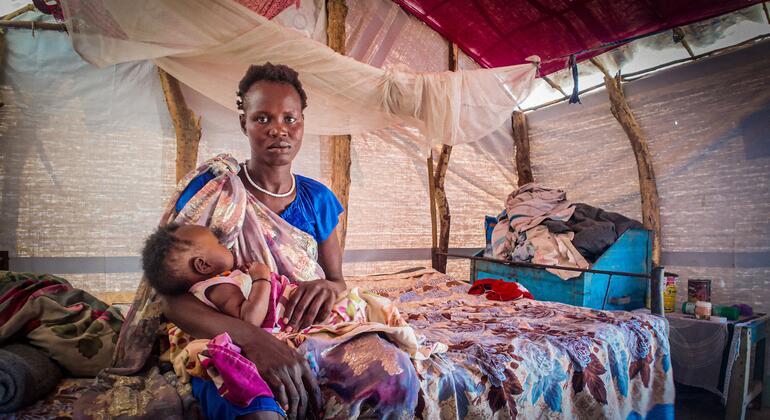
South Sudan, the world’s youngest nation, is currently grappling with a dire humanitarian crisis. Ongoing internal conflict, economic instability, and climate change have resulted in significant internal displacement.
Overview of the Situation
As of late 2023, over 1.8 million people in South Sudan are internally displaced, with many fleeing their homes due to violence and armed conflict. The ethnic tensions that erupted into civil war in 2013 have not fully subsided, leading to sporadic flare-ups of violence that perpetuate the cycle of displacement.
Causes of Displacement
- Conflict: Skirmishes between various ethnic factions and government forces continue to affect safety and security.
- Economic Strain: The economy of South Sudan remains fragile, exacerbated by high inflation and food insecurity, driving people to leave their homes in search of better opportunities.
- Climate Change: Flooding and droughts have become more frequent, making agricultural lands unviable and forcing internal migration.
Humanitarian Response
Organizations like the United Nations Refugee Agency (UNHCR) and various NGOs are actively working to provide humanitarian support. They offer food assistance, medical aid, and shelter for those displaced. However, funding shortages hinder their ability to adequately address the overwhelming needs.
Fraud Centres in the Philippines
The Philippines has recently become a hub for fraudulent activities, particularly through online scams that exploit local workers and international victims.
Emergence of Fraud Centres
Reports in 2023 indicate that various fraud centres operate in the country, primarily targeting individuals across the globe through phishing schemes, romance scams, and money laundering operations. The scale of these operations has grown exponentially as more Filipinos seek jobs that can provide financial stability.
Involvement of Vulnerable Populations
Young Filipinos, often lured by the promise of employment, find themselves trapped in these fraud centres. The modus operandi typically involves recruitment through social media or advertisements, followed by coercion into illegal activities.
Government Action
The Philippine government is becoming increasingly aware of this issue and has launched crackdowns on suspected fraud operations. Law enforcement agencies are working alongside international authorities to identify key players and dismantle these networks.
International Implications
The rise of fraud centres in the Philippines poses risks not only to local communities but also to international victims who suffer financial loss and emotional trauma. As scam operations become more sophisticated, it is crucial for individuals to stay informed and cautious when engaging in online interactions.
New Migration Patterns in Latin America
Migration patterns in Latin America are evolving due to changing economic conditions, social unrest, and climate challenges. The phenomenon known as “mixed migration” has become increasingly prevalent, encompassing refugees, economic migrants, and displaced individuals.
The Drivers Behind New Migration Trends
-
Economic Factors: Countries like Venezuela and Nicaragua are experiencing hyperinflation and poverty levels that drive citizens to seek better opportunities abroad. A growing number are migrating towards the United States and other countries in search of employment and improved living conditions.
-
Social Unrest: Political turmoil and violence in several countries have forced people to leave their homes. The situation in Nicaragua, for example, has led to escalated tensions and a wave of emigration as citizens seek stability elsewhere.
-
Climate Change: Environmental disasters, such as hurricanes and droughts, have created “climate refugees” in regions like Central America. These individuals are increasingly seeking refuge in northern countries to escape the impact of climate change on their livelihoods.
The Routes Taken
Migrants often embark on perilous journeys, using routes that traverse South and Central America, leading to the U.S. border. The increased traffic has led to greater scrutiny at borders, with authorities implementing stricter measures to manage the influx of migrants.
International Responses
Countries in Latin America, alongside international organizations like the International Organization for Migration (IOM), are working to address the challenges posed by migration. Collaborative efforts aim to improve conditions for migrants by enhancing safety and providing legal support while addressing the root causes of migration.
Conclusion
The world is witnessing significant global changes, particularly in regions like South Sudan, the Philippines, and Latin America. Displacement due to conflict and environmental factors continues to challenge humanitarian efforts in South Sudan, while fraud centres in the Philippines highlight the vulnerabilities present in the rapidly evolving digital economy. Meanwhile, new migration patterns across Latin America reflect the complex interplay of economic, political, and environmental factors, driving individuals to seek safety and opportunity abroad.
Staying informed about these issues is crucial, not only for understanding global dynamics but also for promoting a world that values human dignity and fosters community resilience. Awareness and proactive measures can help address these pressing challenges, paving the way for improved conditions across the globe.
For more details and the full reference, visit the source link below:
Read the complete article here: https://news.un.org/feed/view/en/story/2026/04/1167419