
We Watched Them Die Before Our Eyes: Sudan Health Workers Helpless Amid Medical Shortages
Introduction
In recent years, Sudan has grappled with escalating conflict, economic challenges, and a dire humanitarian crisis that has severely undermined its healthcare system. Health workers in Sudan have faced an uphill battle as they struggle to provide care amid overwhelming medical shortages. This article explores the harrowing experiences of Sudanese health workers, the factors contributing to medical shortages, and the implications for public health in the region.
The Current Health Crisis in Sudan
Worsening Humanitarian Conditions
The ongoing conflict in Sudan has exacerbated an already precarious humanitarian situation. Sections of the population are trapped in cyclical violence, refugee crises, and economic instability. As of 2023, millions of people require urgent medical attention, yet healthcare facilities are either closing or operating at minimal capacity.
Medical Infrastructure in Decline
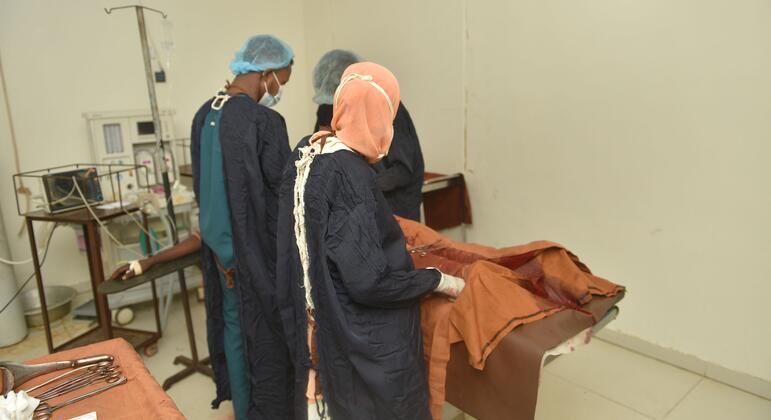
Sudan’s healthcare infrastructure has been crippled by years of neglect and mismanagement. Hospitals are often understaffed, and the few available medical supplies are dwindling rapidly. Health professionals report that essential medications, surgical supplies, and even basic hygiene products are in critically short supply.
Personal Stories: Health Workers on the Frontlines
Eyewitness Accounts of Despair
Health workers have shared their heart-wrenching experiences witnessing patients die due to lack of necessary medical care. Stories abound of mothers unable to receive prenatal care, children suffering from malnutrition, and individuals with chronic conditions left untreated. One nurse described the torment of watching patients with treatable ailments succumb due to the unavailability of simple medications.
Emotional Toll on Healthcare Professionals
The inability to save lives takes a considerable emotional toll on healthcare professionals. Many workers report feeling helpless as they confront their limitations in providing care. The mental health challenges stemming from this continuous distress are profound, creating a cycle of burnout and emotional despair among health workers who wish to serve their communities.
Factors Contributing to Medical Shortages
Conflict and Displacement
Persistent conflict in various regions of Sudan disrupts supply chains and disperses populations, making access to healthcare increasingly difficult. Facilities are often attacked, leading to closures and forcing health workers to flee, leaving the already scarce medical staff even more strained.
Economic Instability
Sudan’s economy has faced severe downturns, leading to hyperinflation and crippling poverty. With limited resources, hospitals struggle to purchase basic medical supplies, making it impossible to meet the healthcare demands of the population. As funds disappear, so do medications and medical equipment, leading to increasingly dire shortages.
International Aid Constraints
Although international organizations aim to provide support, bureaucratic hurdles and instability often hinder aid delivery. Shortages persist as local health facilities struggle to operate without external assistance. Aid resources are also inconsistent, leaving healthcare providers ill-equipped to manage public health emergencies.
The Impact of Medical Shortages on Public Health
Increased Morbidity and Mortality Rates
The dearth of medical supplies and personnel directly correlates with rising morbidity and mortality rates. Patients with treatable conditions are often left without care, resulting in unnecessary deaths. Public health indicators have shown alarming trends, reflecting a collapsing healthcare system.
Spread of Infectious Diseases
The lack of essential medications creates an ideal environment for the spread of infectious diseases. Vaccination programs suffer from the insufficient supply of vaccines, leading to resurgent outbreaks of diseases that could otherwise be controlled, impacting both individuals and communities.
Inequitable Access to Care
Access to healthcare has become increasingly inequitable, with marginalized communities suffering the most. Those in remote areas have no access to medical assistance, compounding the challenges faced during periods of crisis.
The Role of Health Workers in Crisis Conditions
Advocacy and Community Engagement
Despite the challenges, health workers play a crucial role in advocating for their patients and communities. They engage in awareness campaigns, educate families about preventive care, and work tirelessly to save lives within their limited capacity. Their commitment to human rights and health equality remains unwavering, even in the face of adversity.
The Importance of Solidarity
Healthcare workers also band together, forming networks of support and sharing resources whenever possible. This solidarity enhances their resilience against burnout and fosters a spirit of unity in addressing the dire health needs of their communities.
The Future of Healthcare in Sudan: Hope Amidst Despair
Potential Solutions to Address Shortages
International organizations, NGOs, and local governments must prioritize rebuilding Sudan’s healthcare infrastructure. Increased funding and the establishment of effective supply chains can help alleviate some of the shortages faced by health professionals.
the Role of Technology
Investment in telemedicine and technology solutions can help bridge the gap in medical service provision. By utilizing mobile health applications and remote consultations, healthcare workers can better serve patients, even in the most challenging circumstances.
Conclusion
The plight of Sudanese health workers underscores the critical need for international awareness and action to address the healthcare crisis in Sudan. The silent battles fought by these dedicated professionals highlight the urgent need for systemic improvements. As the world watches, fostering solidarity and support for Sudan’s healthcare systems is imperative in mitigating the life-threatening consequences of medical shortages. Without decisive action, the grim specter of continued suffering and loss of life looms large, waiting to be confronted by global compassion and commitment.
For more details and the full reference, visit the source link below:
Read the complete article here: https://news.un.org/feed/view/en/story/2026/04/1167230