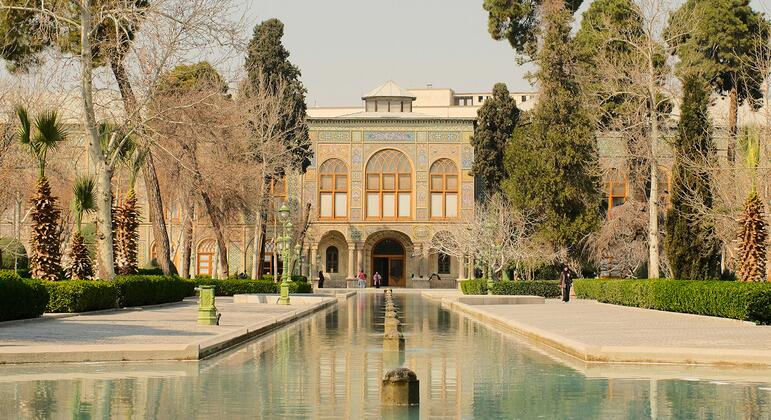

War in the Middle East: Cultural Treasures Damaged, With More at Risk
The ongoing conflicts in the Middle East have not only caused immense human suffering but have also resulted in the loss and destruction of invaluable cultural treasures. This article will provide an in-depth look at how war has affected the region’s rich historical and cultural heritage, the implications for future generations, and the efforts being made to preserve what remains.
Introduction to the Cultural Heritage of the Middle East
The Middle East is often regarded as the cradle of civilization. This region is home to some of the world’s oldest and most significant historical sites, artifacts, and monuments. From the ancient Sumerians to the Phoenicians, the contributions of these civilizations have shaped human history. However, the tumultuous political climate and ongoing conflicts have placed these cultural treasures in jeopardy.
The Impact of War on Cultural Treasures
Destruction of Archaeological Sites
War has led to the devastating destruction of numerous archaeological sites across the Middle East. For instance, the ancient city of Palmyra in Syria, a UNESCO World Heritage site, has suffered extensive damage due to ongoing conflicts. The destruction of its Roman-era temples and monuments underscores the catastrophic impact of warfare on humanity’s shared heritage.
Looting and Illicit Trade
In addition to direct destruction, armed conflict has facilitated rampant looting and the illicit trade of cultural artifacts. Militants and criminal organizations exploit chaos to sell stolen art and antiquities on the black market. This not only deprives nations of their cultural identity but also fuels further violence and instability.
The Importance of Preserving Cultural Heritage
Cultural Identity and National Pride
Cultural heritage serves as a cornerstone of cultural identity and national pride. The loss of historical sites and artifacts often leads to a disconnection between people and their history. This alienation can exacerbate tensions within communities, making conflict resolution even more challenging. Therefore, protecting these treasures is crucial for fostering a sense of unity and belonging among people.
Education and Tourism
Cultural heritage plays a vital role in education and tourism. Historical sites draw tourists, providing essential revenue for local economies. The destruction of these sites not only limits educational opportunities for locals but also hampers economic growth. Preserving cultural treasures can help revive economies and promote intercultural understanding.
International Responses to Protect Cultural Heritage
UNESCO’s Role
Organizations like UNESCO have been at the forefront of efforts to protect cultural heritage in conflict zones. UNESCO has developed various initiatives aimed at safeguarding endangered sites and promoting awareness of their importance. Their campaigns highlight the need for collaboration between nations to preserve culture amidst war.
Emergency Measures
Emergency measures are being implemented to safeguard artifacts and historic sites. Efforts include deploying archaeologists to assess damage, creating digital inventories, and reinforcing structures at risk. These proactive measures aim to mitigate damage before it occurs, but their implementation is often hampered by the ongoing violence.
Successful Case Studies in Cultural Preservation
The Case of Iraq
In Iraq, various NGOs and governmental agencies have stepped in to protect cultural heritage amid conflict. After the fall of Saddam Hussein, a concerted effort was made to recover stolen artifacts and restore museums. Iraqi archaeologists have worked tirelessly to document and preserve what remained, showcasing resilience in the face of adversity.
The Revitalization of Aleppo
In the aftermath of the Syrian civil war, Aleppo’s restoration has become a symbol of hope. Efforts led by local groups focus on rebuilding historic sites like the Aleppo Citadel, which stands as a testament to the city’s rich history. This revival emphasizes the importance of fostering local involvement in cultural heritage preservation.
The Role of Technology in Cultural Preservation
Digital Preservation Efforts
Digital technologies are transforming how we preserve and protect cultural heritage. Virtual reality and 3D imaging allow us to create accurate representations of sites and artifacts, making them accessible even if the physical objects are lost or destroyed. This not only aids in education but also fosters global interest in preserving these treasures.
Crowd-sourced Initiatives
Crowd-sourcing platforms enable individuals worldwide to contribute to the identification and documentation of cultural artifacts. These initiatives engage communities, promote awareness, and help locate stolen items, enhancing the collective effort to safeguard heritage.
The Future of Cultural Heritage in the Middle East
The Challenges Ahead
While efforts to protect cultural treasures are ongoing, numerous challenges remain. Continued political instability, economic hardship, and social unrest hinder restoration and preservation endeavors. Additionally, the new generation might lack opportunities to learn about their heritage, leading to further disconnection.
The Path Forward
Efforts to protect cultural heritage must include education, community involvement, and international collaboration. Providing local communities with the knowledge and resources to safeguard their history encourages a vested interest in cultural preservation. Furthermore, the global community must recognize the importance of cultural heritage and work collectively to protect these treasures.
Conclusion: The Imperative of Cultural Preservation
The cultural treasures of the Middle East are irreplaceable elements of global heritage. As wars rage on, it becomes increasingly vital to prioritize the preservation of these assets. Through collaborative efforts, innovative technology, and community education, we have the opportunity to protect our shared history. Only by safeguarding these treasures can we ensure future generations inherit a world rich in cultural diversity and history.
As guardians of our collective past, it is incumbent upon individuals, nations, and organizations to act now to stop the losses and foster a future where cultural heritage is cherished rather than destroyed.
For more details and the full reference, visit the source link below:
Read the complete article here: https://news.un.org/feed/view/en/story/2026/03/1167181