
Undeclared Chemical Weapons Found in Syria: A Deep Dive into the Ghouta Massacre
The Syrian conflict has witnessed unprecedented levels of violence and atrocities, with the use of chemical weapons becoming a grim hallmark. Among the numerous events, the Ghouta massacre stands out due to its brutality and the international outcry it triggered. This article explores the undeclared chemical weapons found in Syria, particularly focusing on the types used during the Ghouta massacre.
Background: The Syrian Civil War Overview
The Syrian Civil War began in 2011 and has evolved into a complex conflict involving various factions, including the Syrian government, opposition groups, and extremist organizations. As the war progressed, allegations of chemical weapon usage surfaced, raising alarms about international law violations and humanitarian crises.
The Ghouta Massacre: What Happened?
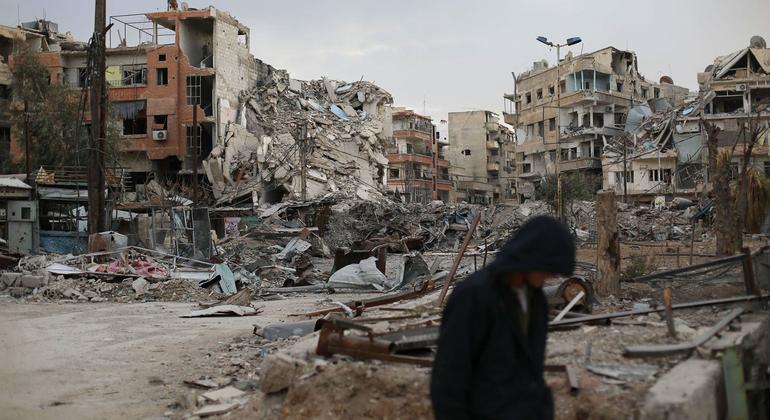
On August 21, 2013, the Ghouta district of Damascus was rocked by a series of attacks using chemical weapons. Reports emerged of significant civilian casualties, with estimates suggesting that over 1,400 people, including hundreds of children, lost their lives. The attacks prompted widespread condemnation from global leaders and humanitarian organizations.
Types of Chemical Weapons Used in Ghouta
Sarin Gas: A Deadly Nerve Agent
The primary chemical weapon used in the Ghouta attacks was sarin, a potent nerve agent that disrupts the nervous system and can lead to death within minutes of exposure. Sarin attacks primarily affect the respiratory system, causing symptoms such as:
- Difficulty breathing
- Convulsions
- Loss of consciousness
The use of sarin gas in Ghouta demonstrated the devastating capabilities of chemical warfare, leaving a lasting impact on the international community’s stance on Syria.
Other Agents: Chlorine and VX
While the focus has been on sarin, various reports indicate the possible use of chlorine gas in other attacks throughout the Syrian conflict. Chlorine, although not as deadly as sarin, can cause severe respiratory distress and long-term health issues. VX, another nerve agent, has also been mentioned, although evidence of its use specifically in Ghouta remains limited.
The Role of International Organizations
The United Nations and OPCW
The United Nations (UN) and the Organisation for the Prohibition of Chemical Weapons (OPCW) played pivotal roles in investigating the Ghouta massacre. Following the attacks, an independent UN investigation was launched to determine the responsibility for the use of chemical weapons. The OPCW subsequently conducted missions to document findings, leading to a better understanding of chemical usage in the conflict.
Findings and Investigative Challenges
The UN and OPCW reports confirmed the use of sarin in the Ghouta attacks but faced challenges in attributing responsibility. The complexity of the conflict and the presence of multiple factions made it difficult to pinpoint culprits definitively. Additionally, political tensions among UN Security Council members further hampered decisive action against the Syrian government.
The Aftermath: Global Reactions
Condemnation and Calls for Action
The Ghouta attacks elicited widespread condemnation from world leaders, with many calling for military intervention against the Syrian government. President Barack Obama had previously declared that the use of chemical weapons would cross a “red line,” leading to considerations of military action. However, diplomatic negotiations ultimately took precedence, focusing on disarmament agreements rather than direct intervention.
The Chemical Weapons Disarmament Agreement
In the months following the attacks, a significant agreement was reached in which Syria committed to dismantle its chemical weapons stockpile. The agreement, facilitated by Russia and the United States, aimed to eliminate the threat of chemical warfare in the region. However, compliance has been inconsistent, with ongoing suspicions regarding undeclared stockpiles.
Ongoing Concerns: Undeclared Chemical Weapons
Despite efforts to dismantle chemical arsenals, concerns persist regarding undeclared chemical weapons in Syria. Reports from humanitarian organizations and independent investigations suggest that the Syrian government may still possess chemical agents, further endangering the civilian population.
The Risks of Recurrent Chemical Attacks
The potential for future chemical attacks remains a looming threat in Syria. As the conflict continues, the possibility of various factions resorting to chemical warfare to gain a tactical advantage cannot be dismissed. This situation continues to put countless lives at risk, contributing to the existing humanitarian crisis.
Conclusion: The Need for Global Vigilance
The tragic events of the Ghouta massacre serve as a sobering reminder of the dangers posed by chemical weapons and the urgent need for international action. As the world grapples with the repercussions of the Syrian conflict, the importance of monitoring and addressing the proliferation of chemical weapons cannot be understated.
A Call to Action
Governments, international organizations, and humanitarian groups must remain vigilant in their efforts to combat chemical weapon usage. Continuous monitoring, robust investigations, and diplomatic efforts are essential to prevent history from repeating itself and to protect civilian lives from the horrors of chemical warfare.
By understanding the complexities of the strategies employed in Syria and responding proactively, the international community can work towards safeguarding human rights and promoting peace in one of the most volatile regions of the world. The Ghouta massacre must not be forgotten; it serves as a crucial lesson for global action against the use of chemical weapons.
For more details and the full reference, visit the source link below:
Read the complete article here: https://news.un.org/feed/view/en/story/2026/06/1167652