
Uncertainty Continues Over Safety in the Strait of Hormuz
Introduction
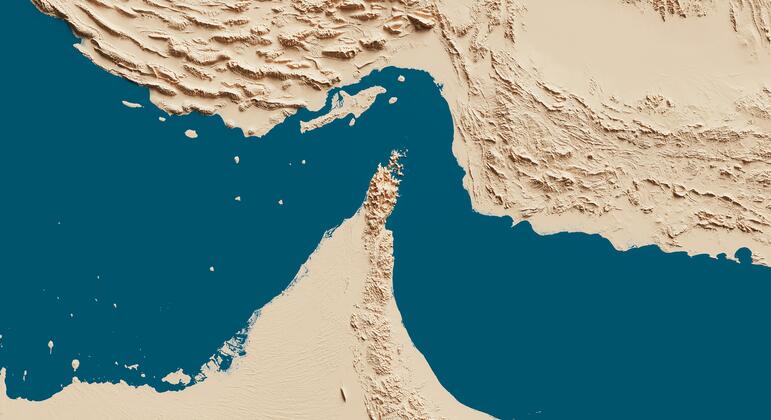
The Strait of Hormuz, a narrow body of water connecting the Persian Gulf to the Gulf of Oman, is one of the world’s most vital maritime chokepoints. It accommodates a significant percentage of the global oil supply, making it a focal point for geopolitical tensions and maritime security issues. In recent years, rising tensions among regional powers and incidents involving international shipping have raised questions about safety in this crucial waterway. This article delves into the ongoing uncertainty surrounding maritime security in the Strait of Hormuz.
Importance of the Strait of Hormuz
The Strait of Hormuz is approximately 21 miles wide at its narrowest point and serves as the passage for about 20% of the world’s oil supply. Every day, hundreds of ships traverse this corridor, including oil tankers, cargo vessels, and naval ships. Given its strategic importance, any disruption in the Strait of Hormuz can have far-reaching implications for global energy markets and international trade.
Current Security Landscape
Geopolitical Tensions
The Strait of Hormuz is bordered by several nations, including Iran, Oman, and the United Arab Emirates. Iran, in particular, has repeatedly threatened to close or disrupt shipping routes in this key region in response to sanctions or military actions against it. Such threats contribute to a cycle of uncertainty regarding the safety of vessels crossing the strait. In recent years, incidents involving drone strikes, mine attacks, and seizures of ships have further complicated the security landscape.
Military Presence
In response to these growing risks, various countries, primarily the United States and its allies, have increased their military presence in the region. U.S. naval forces and coalition partners conduct routine patrols to ensure safe passage for maritime traffic. However, the presence of military assets in the region does not eliminate the risks associated with potential confrontations between regional powers and foreign forces, thereby sustaining an atmosphere of uncertainty.
Recent Incidents
Attacks on Merchant Vessels
In recent years, several incidents have heightened concerns about maritime safety in the Strait. Ships have been attacked with limpet mines, while others have faced harassment by armed Iranian patrol boats. In 2021, the attack on the MV Mercer Street, a commercial oil tanker, raised alarms regarding safety protocols in the area. Such incidents not only threaten the safety of the crew and cargo on board but also underscore the vulnerability of international shipping in the Strait of Hormuz.
Seizures and Detentions
In addition to direct attacks, the practice of seizing vessels has become a tool of geopolitical maneuvering. Iran has been known to detain foreign tankers under various pretenses, often using them as leverage in larger diplomatic disputes. This tactic introduces an additional layer of risk for commercial shipping companies operating in the region.
Challenges to Maritime Security
International Regulations and Compliance
The complicated legal landscape governing maritime navigation in the Strait adds to the uncertainty. While international maritime law, including the United Nations Convention on the Law of the Sea, aims to ensure freedom of navigation, regional conflicts often lead to violations and disregard for these laws. The lack of compliance from various actors complicates enforcement efforts, placing merchant vessels at risk.
Shipping Costs and Insurance
The rising risks associated with shipping through the Strait of Hormuz have led to increased costs. Shipping companies are often forced to pay higher insurance premiums, anticipating potential threats. These added costs can ripple through supply chains and eventually impact consumers. As shipping rates fluctuate based on perceived risks, economic stability is further threatened.
Responses from the Shipping Industry
Best Practices for Navigating Troubled Waters
In response to the challenges posed by the uncertain security landscape, shipping companies are adopting various best practices. These include employing armed security personnel onboard, using modified routes to avoid high-risk zones, and cooperating closely with regional naval forces. Such strategies aim to mitigate risks and protect both cargo and crew.
Engagement with Governments
Shipping stakeholders are increasingly engaging with governments and regional authorities to advocate for enhanced security measures. Collaboration between public and private sectors can lead to better strategies for ensuring safe passage through the Strait of Hormuz. This can also involve joint military exercises and information sharing among navies operating in the region.
Future Implications
Strategic Alliances
The uncertainties surrounding maritime safety in the Strait of Hormuz could shape global alliances in the coming years. Nations may form strategic partnerships to bolster security efforts, while regional powers may seek to enhance their military capabilities. The dynamics of these alliances will likely be influenced by the ongoing geopolitical tensions, particularly those involving Iran and Western nations.
Long-Term Solutions
To secure safe navigation in the Strait, long-term solutions must address the root causes of instability. Diplomatic efforts aimed at de-escalating tensions among regional powers are crucial. Initiatives that promote dialogue and cooperation, rather than conflict, can contribute to a more stable maritime environment.
Conclusion
The Strait of Hormuz remains a focal point of uncertainty over maritime safety due to escalating geopolitical tensions and regional instability. While military presence and best practices by shipping companies contribute to some security assurances, the risks associated with navigating through this vital waterway persist. As global dependence on oil and international trade continues, it is imperative for all stakeholders to pursue diplomatic and collaborative solutions to mitigate risks in the Strait of Hormuz.
In summary, the future of maritime safety in the Strait of Hormuz may depend on creative diplomacy, greater cooperation among nations, and proactive measures by the shipping industry to navigate these uncertain waters. The stakes are high, and ensuring the safety of this vital transport lane is essential for the stability of global markets and national security.
For more details and the full reference, visit the source link below:
Read the complete article here: https://news.un.org/feed/view/en/story/2026/05/1167432