
UN Peacekeeper Killed and Three Injured in Southern Lebanon Attack
Introduction
On a tragic day in southern Lebanon, an attack has left one United Nations peacekeeper dead and three others injured. This incident underscores the persistent challenges faced by peacekeeping forces in volatile regions. As tensions continue to affect the stability of Lebanon and its surrounding areas, this attack raises critical questions about the security of UN personnel and the broader implications for peacekeeping operations.
The Context of Peacekeeping in Lebanon
Historical Background
The United Nations Interim Force in Lebanon (UNIFIL) was established in 1978 to oversee the withdrawal of Israeli troops from southern Lebanon and restore peace and security in the region. Over the decades, UNIFIL has been tasked with monitoring ceasefire agreements, assisting in humanitarian efforts, and working closely with local communities.
The Role of Peacekeepers
UN peacekeepers are deployed worldwide to maintain peace, protect civilians, and facilitate political processes. In Lebanon, they operate in an environment marked by political instability and ongoing hostilities between various factions. Their presence is crucial for maintaining a fragile peace; however, it often puts them directly in harm’s way.
Details of the Attack
Description of the Incident
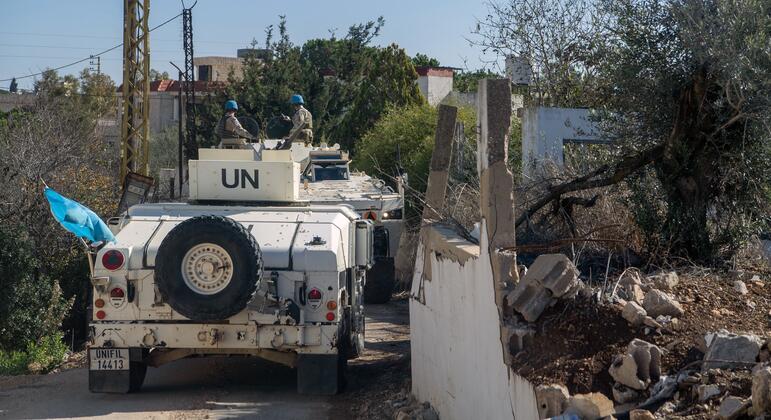
The recent attack occurred during a routine patrol in southern Lebanon. Initial reports indicate that the peacekeepers were ambushed, resulting in the unfortunate loss of one soldier’s life and injuries to three others. This incident not only highlights the risks that peacekeepers face but also serves as a grim reminder of the unstable security situation in the region.
Immediate Aftermath
In the wake of the attack, both the United Nations and the Lebanese government have condemned the violence. Calls for an investigation into the incident have been made, emphasizing the need to ensure the safety of those who risk their lives to uphold peace.
The Impact of the Attack
On UN Peacekeeping Operations
The attack poses a significant challenge for UN peacekeeping missions. It raises concerns about the effectiveness of security measures in place to protect peacekeepers and the feasibility of continuing operations in dangerous areas. The loss of a peacekeeper has a ripple effect, potentially leading to a reevaluation of troop deployment and operational protocols.
On Local Communities
For local communities, the presence of peacekeepers is often a stabilizing force. Their protection helps foster a sense of security among civilians. An attack against them can disrupt this fragile sense of safety, potentially leading to increased tensions between factions within Lebanon.
Security Challenges in Southern Lebanon
Ongoing Tensions
Southern Lebanon is a region marked by complex socio-political tensions, particularly concerning the presence of militant groups. The proximity of Hezbollah, a significant political and military force, adds layers of difficulty for peacekeepers, as they must navigate the intricacies of local power dynamics.
Vulnerability of Peacekeepers
The reality for UNIFIL is that peacekeepers are often vulnerable targets in an environment where local factions might not fully recognize their mandate. This situation necessitates ongoing dialogue with local governments and communities to improve understanding and cooperation for the safety of peacekeepers.
International Reactions to the Attack
Global Outcry
The international community has expressed outrage and sadness over the loss of a UN peacekeeper. Various nations, along with global organizations, have reiterated their support for UNIFIL and the necessity of continuing peacekeeping missions in unstable regions.
Statements from UN Officials
UN Secretary-General António Guterres emphasized the need for increased protections for peacekeepers and called on all parties in Lebanon to respect the mandate of UNIFIL. His statements reflect a commitment to ensure that such attacks do not deter future peacekeeping efforts.
The Path Forward
Enhancing Security Measures
In light of this tragic incident, a comprehensive review of security protocols for peacekeepers is essential. This could involve improved intelligence gathering, better communication with local leaders, and reinforcement of rapid response capabilities to potential threats.
Foster Local Engagement
Engaging with local communities is crucial for fostering a safe environment for peacekeeping operations. Building trust between peacekeepers and local populations can mitigate potential hostility and misunderstandings that contribute to violent incidents.
Conclusion
The recent attack on UN peacekeepers in southern Lebanon brings to light the challenges and dangers inherent in peacekeeping missions. The loss of life and injuries inflicted on brave individuals working for peace is a solemn reminder of the ongoing instability in the region. Immediate action is required to enhance security measures, engage local communities, and ensure the safety of peacekeepers who strive to maintain peace and protect civilians in one of the world’s most volatile areas. Moving forward, it is imperative that the international community rallies together to support UN peacekeeping efforts and address the underlying socio-political tensions that threaten stability in Lebanon and beyond.
For more details and the full reference, visit the source link below:
Read the complete article here: https://news.un.org/feed/view/en/story/2026/04/1167332