
Sudan: UN Rights Chief Warns of Deteriorating Conditions Without International Action
Overview of the Current Situation in Sudan
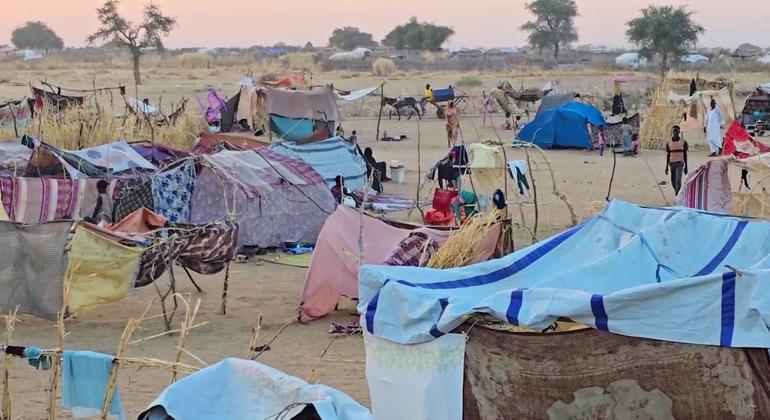
Sudan has been grappling with a dire humanitarian crisis, exacerbated by political instability and armed conflict. The ongoing turmoil has led to a massive displacement of people, widespread violations of human rights, and a significant decline in living conditions. The recent statements from the UN Human Rights Chief underscore the urgent need for international intervention to avert a full-blown catastrophe.
Understanding the Human Rights Crisis
Historical Context
Sudan’s issues are rooted in decades of conflict, ethnic discrimination, and government oppression. The Darfur conflict, which erupted in the early 2000s, set a precedent for violence and human rights abuses. The subsequent ousting of long-time leader Omar al-Bashir in 2019 brought a glimmer of hope, but instability persisted in the post-Bashir era.
Current Violations
The UN has reported alarming incidents of violence against civilians, including arbitrary arrests, torture, and killings. Armed groups are reportedly terrorizing local populations, further exacerbating fears within communities. The lack of accountability for these war crimes perpetuates a culture of impunity and diminishes trust in governance.
The UN Rights Chief’s Alarm
Dire Warnings
The UN High Commissioner for Human Rights, Volker Turk, has raised a clarion call about the deteriorating situation. In statements made recently, he highlighted the urgency for international action to prevent worsening conditions. Turk emphasized that without concrete measures, the threats to human life and dignity will only escalate.
Call for Action
The Commissioner’s recommendations include enhancing humanitarian support, urging accountability for rights violations, and promoting political dialogue among conflicting factions. His message is clear: immediate action is required to safeguard the rights and livelihoods of ordinary Sudanese citizens.
The Role of the International Community
Importance of Humanitarian Aid
International aid is crucial for addressing Sudan’s humanitarian crisis. According to the UN, over 12 million people are in need of urgent assistance, including food, medical care, and shelter. The international community must step up support through donations and resources aimed at stabilization.
Diplomatic Efforts
Engagement from regional and global powers can create a conducive environment for peace negotiations. By fostering diplomatic dialogue among various factions, the international community can play a vital role in promoting stability and reconciliation.
The Impact of Inaction
Humanitarian Consequences
If the international community fails to intervene, the consequences could be catastrophic. The situation could continue to deteriorate, leading to mass starvation, and further displacement. Reports indicate that families are already struggling to meet their daily needs, with many resorting to desperate measures for survival.
Regional Instability
Moreover, Sudan’s instability affects neighboring countries, potentially leading to a wider regional conflict. Refugee crises and cross-border violence could spill over into nations already dealing with their own challenges, resulting in a humanitarian disaster on a larger scale.
Community Resilience and Local Initiatives
Grassroots Movements
Amid the tumult, local communities continue to show resilience. Grassroots organizations are working tirelessly to provide essential services and support to those affected by the crisis. Their initiatives highlight the strength and determination of the Sudanese people in the face of adversity.
Calling for Global Support
These local movements are often underfunded and under-resourced. Therefore, international support is not merely about providing aid; it’s about empowering these organizations to enhance their efforts and ensure community participation in recovery and governance processes.
The Role of Media and Awareness
Raising Awareness
Media coverage plays a critical role in informing the world about the situation in Sudan. By highlighting human rights abuses and humanitarian needs, journalists and activists can spur international action. Increased visibility can also apply pressure on governments and organizations to intervene.
Utilizing Social Media
Social media has emerged as a powerful tool for advocacy. Activists in Sudan and across the globe use platforms like Twitter and Instagram to raise awareness and gather support. This digital activism serves to mobilize communities in solidarity and can influence policy decisions.
Conclusion: A Call to Action
As the UN Rights Chief warns of an impending catastrophe, the responsibility falls on the international community to take decisive action. Sudan stands at a crossroads, and the choices made in the coming months will greatly impact its future.
In summary, the situation in Sudan is dire, marked by severe human rights violations and a pressing humanitarian crisis. Pakistan and the world cannot afford to ignore the UN’s call for action. Immediate international intervention is necessary to prevent further deterioration and ensure protection for the vulnerable populations of Sudan.
Additional Resources
For those looking to contribute or learn more about the situation in Sudan, consider these steps:
-
Support Humanitarian Organizations: Donating to reputable NGOs working in Sudan is a direct way to help those in need.
-
Stay Informed: Follow credible news outlets and NGOs for the latest updates on the situation.
-
Advocate for Policy Change: Contact policymakers to encourage them to prioritize human rights and humanitarian aid in their foreign policies regarding Sudan.
By mobilizing efforts collectively, the world can help shape a brighter future for Sudan, ensuring that hope prevails over despair.
For more details and the full reference, visit the source link below:
Read the complete article here: https://news.un.org/feed/view/en/story/2026/02/1166925