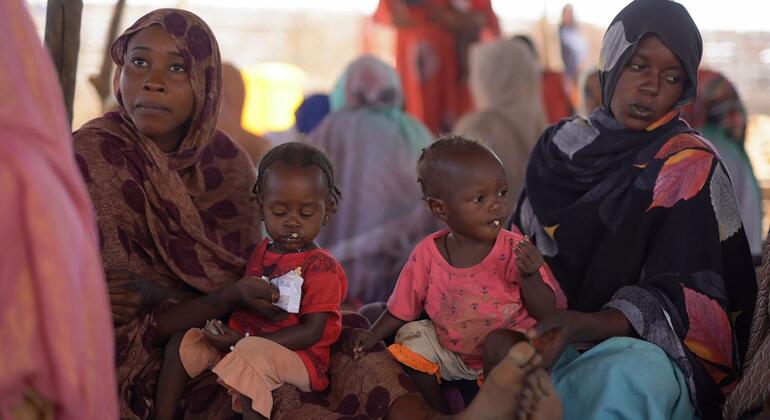

Sudan: Thousands Cling to a Fragile Hope in Makeshift Tents
Introduction
In the heart of Sudan, amidst the backdrop of prolonged conflict and humanitarian crises, thousands of displaced individuals and families find themselves living in makeshift tents. Despite the grim circumstances, a fragile hope persists. This article explores the situation in Sudan, highlighting the resilience of its people, the challenges they face, and the ongoing humanitarian efforts aimed at supporting them.
The Crisis in Sudan: An Overview
Sudan has been marred by decades of political instability, violence, and civil unrest. The repercussions of these crises have led to widespread displacement, with millions of people forced to flee their homes in search of safety.
Key Causes of Displacement
- Civil War: Ongoing conflicts between government forces and various rebel groups have uprooted countless families.
- Economic Hardship: Hyperinflation and a crumbling economy have made basic necessities unattainable for many.
- Environmental Challenges: Climate change has exacerbated food insecurity, forcing communities to migrate.
Life in Makeshift Tents
The Reality of Camp Living
For many, life in makeshift tents symbolizes both hope and despair. While these temporary shelters provide a semblance of safety, they often lack essential amenities like clean water, sanitation, and medical care.
Daily Struggles and Basic Needs
- Water and Sanitation: Access to clean water remains a significant challenge, leading to health issues.
- Health Services: Many in these camps suffer from malnutrition and communicable diseases due to inadequate medical facilities.
- Education: Children, too, face disruptions in their education, with many unable to attend school.
Community and Resilience
Despite the dire conditions, resilience characterizes the spirit of those in these camps. Community bonds strengthen as individuals support one another, creating a sense of solidarity among the displaced.
Stories of Hope
Many families showcase incredible resilience through small acts of kindness and strength. Some women lead local initiatives to provide food and education to children, demonstrating their determination to foster hope amidst suffering.
Humanitarian Efforts in Sudan
Organizations on the Ground
Numerous humanitarian organizations are working tirelessly in Sudan to alleviate the suffering of displaced individuals. Groups like the World Food Programme (WFP) and the United Nations High Commissioner for Refugees (UNHCR) are at the forefront.
Key Initiatives
- Food Distribution: Regular food supplies are essential to combat malnutrition and hunger among vulnerable populations.
- Medical Assistance: Mobile clinics provide basic medical services, vaccinations, and maternal care to those in need.
- Education Programs: Initiatives aimed at creating temporary learning spaces are helping children continue their education.
The Role of International Aid
Global Response
International aid plays a crucial role in addressing the humanitarian crisis in Sudan. Governments, NGOs, and private sectors worldwide contribute to relief efforts, funding essential projects aimed at improving living conditions in camps.
Challenges to Aid Delivery
Despite the goodwill, delivering aid in conflict zones poses significant challenges:
- Security Concerns: Ongoing violence and political instability hinder the safe distribution of aid.
- Logistical Issues: Limited infrastructure complicates transportation and access to remote areas.
- Funding Shortages: Continuous crises often lead to donor fatigue, impacting the sustainability of relief efforts.
Personal Stories: Voices from the Camps
Anja’s Story
Anja, a mother of three, fled her village due to escalating violence. In the makeshift camp, she recounted her struggles finding food and clean water. Yet, despite the uncertainty, her determination to provide for her children shines through.
Malik’s Journey
Malik, a young teacher, strives to organize informal classes in the camp, emphasizing the importance of education. His story highlights the critical need for educational resources and how community-led initiatives can pave the way for better futures.
The Path Forward: Sustainable Solutions
Long-term Strategies
To address the ongoing crisis in Sudan, both immediate relief and long-term strategies are required. Key approaches include:
- Peacebuilding Initiatives: Strengthening peace processes to curb violence and facilitate sustainable development.
- Economic Support: Developing programs that aid economic recovery, providing opportunities for job creation and skill development.
- Community Engagement: Involving local communities in planning and executing aid programs to ensure their unique needs are met.
Conclusion
The story of Sudan’s displaced population living in makeshift tents is one of resilience and hope amidst adversity. While challenges remain, the collective efforts of individuals, communities, and international aid organizations inspire a belief in a brighter future. A united stance on humanitarian assistance and support can contribute significantly to rebuilding lives, communities, and ultimately, the nation of Sudan itself.
By raising awareness and advocating for support, we can help those in Sudan transform their fragile hope into a sustainable future.
Call to Action
To support the ongoing relief efforts in Sudan, consider donating to reputable humanitarian organizations that are making a difference on the ground. Your contributions can help provide essential services and bring hope to those who need it most.
By working together, we can help ensure that Sudan rises from the shadows of despair into the light of hope and recovery.
For more details and the full reference, visit the source link below:
Read the complete article here: https://news.un.org/feed/view/en/story/2026/02/1166968

