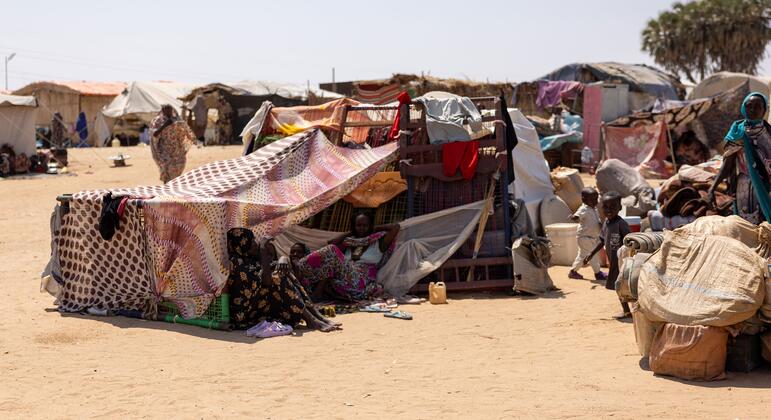

Sudan: Drone Attacks Endanger Civilians and Shut Down Critical Services in El Obeid
Introduction
Sudan has long been a focal point of humanitarian crises, but the recent escalation of drone attacks in El Obeid has raised alarms among international observers and local organizations. These aerial assaults endanger civilian lives and cripple essential services, exacerbating an already dire situation. This article will explore the impact of drone attacks on the residents of El Obeid, the humanitarian implications, and the urgent need for international intervention.
The Current Situation in El Obeid
Overview of Drone Attacks
El Obeid, the capital of North Kordofan State, has faced a series of drone strikes targeting suspected military assets. However, these attacks frequently hit civilian structures, including homes, schools, and marketplaces. Civilian casualties have surged, adding to the growing death toll amid a conflict that many believe could have been avoided with more diplomatic endeavors.
Civilian Casualties
The intensification of drone warfare has resulted in numerous civilian casualties. Reports indicate that countless innocent lives have been lost or irrevocably altered. Families are grappling with the loss of loved ones while others bear the physical and psychological scars from these attacks. Children, in particular, are traumatized, affecting their mental health and future prospects.
Disruption of Essential Services
Impact on Healthcare
The healthcare system in El Obeid is struggling under normal circumstances, but the drone attacks have made things significantly worse. Many hospitals and clinics have either been damaged or forced to close as medical staff fear for their safety. Patients are left without access to essential medical care, and the already overstretched resources of healthcare facilities are further strained.
Educational Crisis
Drone attacks have disrupted education in El Obeid. Schools have been damaged or have suspended operations due to safety concerns. Students face a bleak future as they miss critical educational opportunities. The long-term implications could be devastating, as a generation of children grows up without the necessary skills to contribute to society.
Essential Services Crippled
Utilities such as water, electricity, and sanitation have also been compromised in the wake of these attacks. The damage to infrastructure has resulted in widespread shortages, making it difficult for residents to meet their basic needs. Families are struggling to access clean water, which increases the risk of disease outbreaks.
The Humanitarian Response
Local and International Aid Efforts
In response to the escalating crisis, local organizations and international NGOs are working tirelessly to provide humanitarian aid. However, the ongoing violence complicates their efforts. Aid workers often face significant risks, which raises concerns about their ability to deliver assistance effectively.
Challenges in Delivering Aid
The logistics of delivering aid are complex in a war-torn region. Roads are often unsafe, and communication channels are compromised. Aid organizations find it increasingly challenging to reach those in need, leaving many vulnerable populations without support. The continuous security threats make planning and executing aid missions nearly impossible.
The Role of the International Community
Urgent Need for Intervention
The international community has a critical role to play in addressing the situation in El Obeid. Diplomatic efforts must be prioritized to cease hostilities and pave the way for peace negotiations. Increased pressure on combatants could help to discourage further violence, especially against civilians.
Humanitarian Support
In addition to diplomatic efforts, international organizations must increase their humanitarian support for affected populations. This includes providing medical supplies, food, and sanitation services to those displaced or affected by the conflict. Robust international funding is essential to sustain ongoing relief efforts.
Seeking Long-term Solutions
Promoting Peaceful Conflict Resolution
Long-term solutions must be sought to prevent the recurrence of violence. A comprehensive peace agreement, rooted in dialogue among conflicting parties, is essential for sustainable peace. The involvement of neutral mediators can provide a balanced approach in negotiations and ensure all voices are heard.
Supporting Development Initiatives
Beyond immediate humanitarian response, there’s a pressing need for development initiatives that foster economic stability and social cohesion. Investment in infrastructure, education, and healthcare is crucial to rebuild El Obeid and ensure that residents are equipped to move forward.
Conclusion
The drone attacks in El Obeid represent a grave humanitarian crisis endangering civilian lives and disrupting critical services. Immediate action is essential to protect vulnerable populations and establish long-term peace. The international community must prioritize diplomatic efforts, support humanitarian initiatives, and promote sustainable development for the people of Sudan. Failing to address these issues will have dire implications for the future of El Obeid and its residents.
Keywords for SEO Optimization
- Sudan drone attacks
- El Obeid humanitarian crisis
- civil casualties in Sudan
- disruption of essential services
- humanitarian response in Sudan
- international intervention in Sudan
- long-term solutions in Sudan
- impact of conflict on civilians
- healthcare access in war zones
By optimizing for these keywords, this article aims to reach a broader audience concerned about the situation in Sudan, ultimately raising awareness and prompting action.
For more details and the full reference, visit the source link below:
Read the complete article here: https://news.un.org/feed/view/en/story/2026/06/1167781