
Sudan Crisis: UN Agency Launches $1.6 Billion Appeal to Support Refugees in Seven Countries
Introduction
The ongoing crisis in Sudan has reached alarming proportions, prompting an urgent response from the international community. With millions displaced and in dire need of assistance, the United Nations and its affiliated agencies are stepping up efforts to provide humanitarian support. Recently, a significant appeal has been made by the UN agency, amounting to $1.6 billion, aimed at supporting Sudanese refugees in seven host countries. This article delves into the context of the Sudan crisis, the details of the UN appeal, and the broader implications for the region and global humanitarian efforts.
Understanding the Sudan Crisis
Background
The crisis in Sudan has its roots in years of political instability, violent conflict, and economic turmoil. Following the ousting of longtime leader Omar al-Bashir in 2019, hopes for democratic governance were dashed as tensions mounted between various factions. The situation escalated dramatically in 2023, resulting in widespread violence, targeted attacks, and neglect of humanitarian needs.
Impact on Civilians
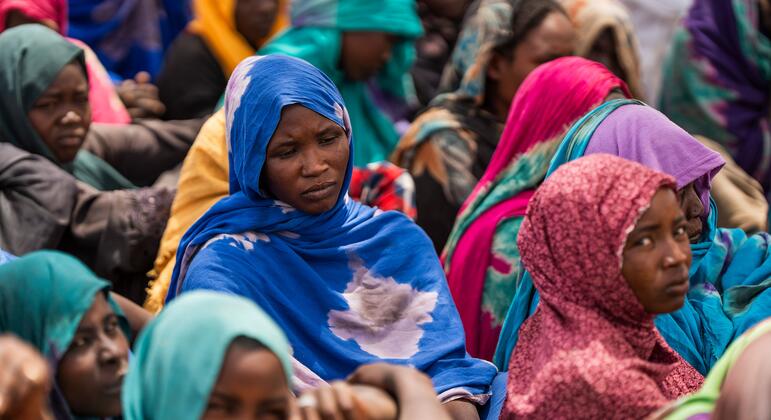
The United Nations estimates that millions of Sudanese citizens have been forced to flee their homes due to escalating violence. As of now, over 1.5 million people have sought refuge in neighboring countries such as Chad, Egypt, South Sudan, Central African Republic, Ethiopia, Libya, and Kenya. The influx of refugees has placed immense pressure on host countries, stretching their resources thin and increasing the need for international assistance.
UN’s $1.6 Billion Appeal
Purpose of the Appeal
The UN’s $1.6 billion appeal aims to address the immediate needs of refugees who have fled Sudan due to conflict. The funds will go towards essential services, including:
- Food assistance and nutrition programs
- Healthcare and medical support
- Shelter and sanitation facilities
- Educational initiatives for displaced children
The goal is not only to meet the urgent needs of the refugees but also to promote long-term resilience and self-sufficiency.
Target Countries
The appeal specifically focuses on seven countries that have welcomed Sudanese refugees. Each of these nations faces unique challenges in providing support to both refugees and their local populations:
-
Chad: Struggling with systemic poverty and lack of infrastructure, Chad is home to one of the largest populations of Sudanese refugees.
-
Egypt: Known for hosting various refugee populations, Egypt grapples with considerable economic challenges and social tensions.
-
South Sudan: Already facing internal conflict, South Sudan’s capacity to accommodate additional refugees is severely limited.
-
Central African Republic: Enduring its internal crises, this nation has also welcomed refugees but lacks sufficient resources to support them.
-
Ethiopia: Hosting a significant number of East African migrants, Ethiopia is dealing with instability that complicates its capacity to assist newcomers.
-
Libya: A transit hub for many refugees, Libya is characterized by political volatility and insecurity, affecting its response to humanitarian needs.
-
Kenya: While Kenya has a relatively stronger infrastructure, it faces its own challenges in integrating new refugee populations.
Global Implications of the Sudan Crisis
Regional Instability
The crisis in Sudan has far-reaching implications for regional security and stability. The mass movement of refugees can exacerbate existing tensions in host countries and lead to further humanitarian crises. International organizations must monitor this closely to prevent additional conflicts from arising.
Humanitarian Responsibility
The UN’s appeal for $1.6 billion highlights the responsibility of the international community to respond to humanitarian needs. It serves as a call-to-action for other nations to contribute financially and logistically to relieve the suffering of refugees.
The Role of NGOs
Non-governmental organizations (NGOs) play a critical role in implementing humanitarian responses on the ground. They are often better equipped to reach vulnerable populations and provide targeted assistance. Collaboration between NGOs and the UN can amplify the efforts for meaningful impact.
Conclusion
The Sudan crisis poses one of the most significant humanitarian challenges of our time, affecting millions and destabilizing the region. The UN’s $1.6 billion appeal is a crucial step toward mitigating the suffering of refugees and supporting host countries overwhelmed by this influx. It underscores the urgent need for a coordinated and comprehensive international response.
As global citizens, we must remain vigilant and engaged, advocating for humanitarian assistance and a peaceful resolution to the conflict in Sudan. Every contribution—whether financial, humanitarian, or advocacy—can make a difference in the lives of those fleeing violence and seeking safety. Now is the time for concerted effort and action to ensure that the plight of Sudanese refugees does not fall into the shadows of global indifference.
For more details and the full reference, visit the source link below:
Read the complete article here: https://news.un.org/feed/view/en/story/2026/02/1166979