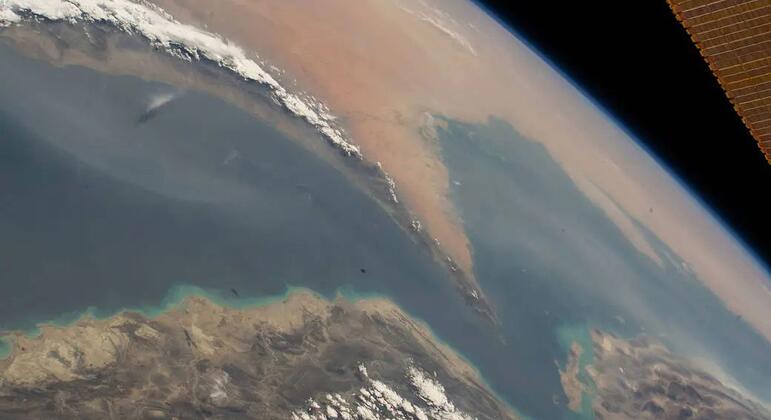

Strait of Hormuz: UN Agencies Call for Diplomacy to End Attacks
Introduction
The Strait of Hormuz, a vital waterway connecting the Persian Gulf with the Arabian Sea, plays a crucial role in global oil transportation. Approximately 20% of global oil trade passes through this narrow passage, making it a significant geopolitical hotspot. Unfortunately, the region has witnessed a surge in tensions and attacks in recent years, prompting various United Nations (UN) agencies to advocate for renewed diplomatic efforts to restore peace and security.
The Strategic Importance of the Strait of Hormuz
Economic Significance
With oil-dependent economies relying heavily on the Strait of Hormuz, any disturbance in this route can have catastrophic effects worldwide. The strait serves as a primary chokepoint for not only oil but also liquefied natural gas (LNG) shipments. Stability in this region is essential for sustaining global energy markets.
Geopolitical Tensions
The Strait of Hormuz has been at the center of various geopolitical rivalries, particularly involving Iran, Saudi Arabia, and Western powers. Iran’s geopolitical strategy often revolves around its influence in the region, and its actions in the strait have drawn significant international attention. The threats to shipping vessels and oil facilities escalate tensions, affecting not just the immediate region but also markets globally.
Recent Attacks and Escalations
Increased Naval Incidents
Over the past few years, several high-profile incidents, including attacks on oil tankers and military vessels, have marked the Strait of Hormuz. Iran’s alleged involvement in these attacks has raised alarms among international stakeholders, leading to heightened naval patrols and military readiness from countries like the United States and the United Kingdom.
UN Response
In response to these escalating tensions, UN agencies like the United Nations Security Council (UNSC) and the International Maritime Organization (IMO) have called for comprehensive investigations into the reported attacks. These agencies emphasize the necessity for collective security measures and a united global response to mitigate further violence.
The Role of Diplomacy
Advocating for Dialogue
UN officials and experts argue that the only sustainable solution to the ongoing tensions in the Strait of Hormuz is through diplomatic engagement. They stress the importance of establishing communication channels among the involved parties to prevent miscalculations that could lead to military confrontations.
Regional Cooperation
Engaging regional powers in dialogue is critical. Countries bordering the Strait, including Oman, the UAE, and even Iran, must be included in discussions aimed at fostering stability in this vital region. The aim should be to create trust-building measures that can pave the way for long-term peace.
Challenges to Diplomatic Efforts
Historical Rivalries
The long-standing animosities between Iran and its neighboring Gulf Arab states pose significant obstacles to diplomatic initiatives. Historical grievances may stifle progress, as parties may prioritize national interests over regional stability.
Influence of External Powers
The involvement of external powers such as the United States and Russia complicates the situation further. Their strategic interests often clash, creating an environment where diplomacy is difficult to achieve. Moreover, these external influences can sometimes exacerbate tensions rather than mitigate them.
The Call for Collective Security Frameworks
Enhanced Security Cooperation
UN agencies propose the establishment of a collective security framework among Gulf nations to enhance maritime security. This could involve collaborative efforts like joint naval patrols and shared intelligence to prevent attacks on shipping routes.
Legal and Diplomatic Channels
Establishing legal frameworks to address grievances among nations could also be a viable path forward. The UN and regional organizations could facilitate negotiations on maritime laws and regulations that govern the Strait of Hormuz, ensuring safe passage for vessels.
Conclusion
The Strait of Hormuz stands as a barometer of wider geopolitical stability in the Middle East. With UN agencies calling for diplomacy and collective action to address recent attacks and tensions, the stakes are higher than ever. A concerted global and regional effort is essential to navigate the complexities of this vital waterway. The time for dialogue and cooperation is now, as a stable Strait of Hormuz is crucial not just for the Gulf nations, but for the global economy and international security at large.
Related Keywords and SEO Optimization
To enhance visibility and reach in search engine results, consider incorporating related keywords throughout your content. Keywords like “Strait of Hormuz,” “UN diplomacy,” “maritime security,” “oil transportation,” and “Middle East tensions” can help improve search ranking. Additionally, using headings and subheadings, bullet points, and relevant meta descriptions will make the content more SEO-friendly.
By understanding and addressing the complexities of the Strait of Hormuz through effective diplomacy and strategic cooperation, global peace and economic stability can be achieved, ensuring that this crucial maritime passage remains secure for future generations.
For more details and the full reference, visit the source link below:
Read the complete article here: https://news.un.org/feed/view/en/story/2026/07/1167929