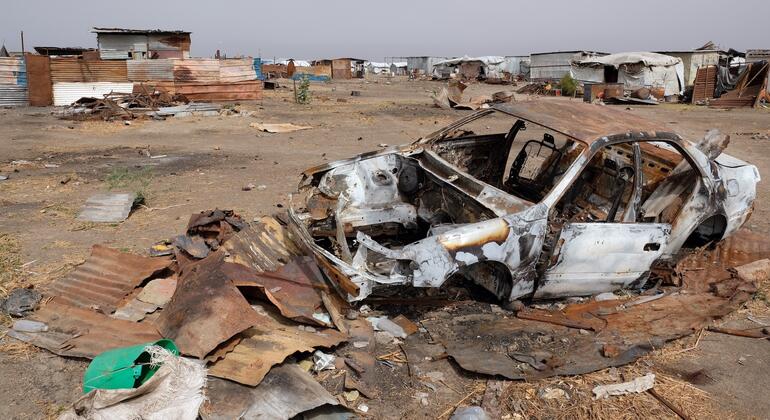

South Sudan: UN Forced to Suspend Food Aid After ‘Unacceptable’ Attacks on Convoy
Introduction
South Sudan, the world’s youngest nation, has been facing an unprecedented humanitarian crisis since its independence in 2011. Recently, a series of unacceptable attacks on United Nations (UN) food aid convoys has forced the global organization to make the tough decision to suspend vital food assistance in the region. This article delves into the reasons behind the suspension, the implications for the already desperate population, and what this means for the future of humanitarian aid in South Sudan.
Background of the Humanitarian Crisis in South Sudan
South Sudan’s struggle began shortly after it gained independence from Sudan. Internal conflicts and civil war, which erupted in 2013 and again in 2016, have led to widespread violence, displacement, and suffering. Over 7 million people—about 60% of the population—currently face severe food insecurity, with many on the brink of famine. The country’s infrastructure is in shambles, and the economy is in free fall. Amid these challenges, the UN and various NGOs have worked tirelessly to provide food and medical assistance.
Attacks on UN Convoys
In recent months, the situation has escalated dramatically. Attacks targeting UN convoys delivering food and other humanitarian aid have reached alarming levels. Reports indicate that armed groups have ambushed vehicles, resulting in injuries and even fatalities among aid workers. Such violent actions have created an atmosphere of fear among humanitarian organizations, prompting the UN to reassess its operations in the region.
Specific Incidents
Numerous incidents have reported armed robberies and ambushes on food delivery trucks. One notable attack occurred in the Unity State, where several aid vehicles were intercepted, leading to the loss of lifesaving supplies meant for vulnerable communities. These attacks are not only criminal but also serve to destabilize an already fragile situation, exacerbating the suffering of those who depend on aid.
UN’s Response and the Suspension of Food Aid
In response to the alarming increase in violence against aid convoys, the UN has announced a temporary suspension of food aid operations in some areas of South Sudan. This decision was described as “unacceptable” given that millions of people are in dire need of assistance. The suspension aims to protect humanitarian workers and ensure that food supplies do not fall into the wrong hands.
Consequences of the Suspension
The suspension of food aid operations will have immediate and devastating consequences:
- Starvation Risk: With the UN’s food aid critical to survival, millions are at risk of facing starvation. The timing is particularly concerning as the dry season ends and the lean months approach.
- Increased Tensions: The decision to suspend aid could lead to increased tensions between communities, particularly if food shortages begin to affect local markets and livelihoods.
- Humanitarian Organizations at Risk: The safety of humanitarian workers has become a paramount concern. An environment where aid workers are threatened endangers not only their lives but also the integrity of ongoing and future humanitarian efforts.
The Need for Increased Security Measures
To resume operations safely, the UN and other humanitarian organizations emphasize the need for robust security measures. This includes better coordination with local authorities, enhanced protection for convoys, and urgent engagement with the armed groups to cease attacks on relief efforts. However, the implementation of these measures is fraught with challenges in a conflict-torn nation.
Engagement with Local Communities
Involving local communities in planning and executing humanitarian operations can provide a level of safety and assurance that aid will reach those in need. Building trust between aid organizations, local leaders, and communities can act as a buffer against violent acts targeting humanitarian efforts.
The Role of International Community
The ongoing violence and humanitarian crisis in South Sudan demand urgent attention from the international community. Governments and NGOs need to come together to restore stability in the region, not only for the sake of those suffering now but for the overarching goal of lasting peace. Diplomatic efforts should target both the political and humanitarian aspects of the crisis, ensuring a multi-layered approach to solutions.
Funding and Resources
With the UN halting food aid due to security concerns, financial support and resources from the international community are imperative for addressing immediate needs and stabilizing the situation. An increase in funding for food security programs can help reach those at risk while ensuring that measures are in place to protect aid workers.
Looking Forward: Prospects for Humanitarian Aid in South Sudan
As the situation continues to evolve, the future of humanitarian aid in South Sudan remains uncertain. The need for comprehensive and secure avenues for aid delivery has never been more critical.
Potential for Peace Efforts
Despite the disheartening state of affairs, there are glimmers of hope. Ongoing peace talks and negotiations among conflicting parties could eventually lead to a ceasefire, fostering an environment conducive to humanitarian operations. The international community must rally around these efforts, providing not only financial support but also unwavering diplomatic backing.
Emphasis on Sustainable Solutions
While immediate aid is vital, focusing on sustainable, long-term solutions is equally important. This includes investing in agricultural development, education, and healthcare systems to empower communities and reduce reliance on external aid in the future.
Conclusion
The recent attacks on UN convoys in South Sudan have not only jeopardized the safety of humanitarian workers but have also plunged millions of vulnerable individuals into deeper despair. As the UN suspends food aid operations, the consequences are dire. The international community must take collective action to restore stability, protect aid delivery, and ultimately work toward a peaceful future for South Sudan. The resilience of the South Sudanese people and comprehensive international support will be the keys to overcoming this humanitarian crisis.
By addressing not just the immediate needs but also the structural issues that underlie the conflict, there remains a possibility for a brighter future for South Sudan.
For more details and the full reference, visit the source link below:
Read the complete article here: https://news.un.org/feed/view/en/story/2026/02/1166888