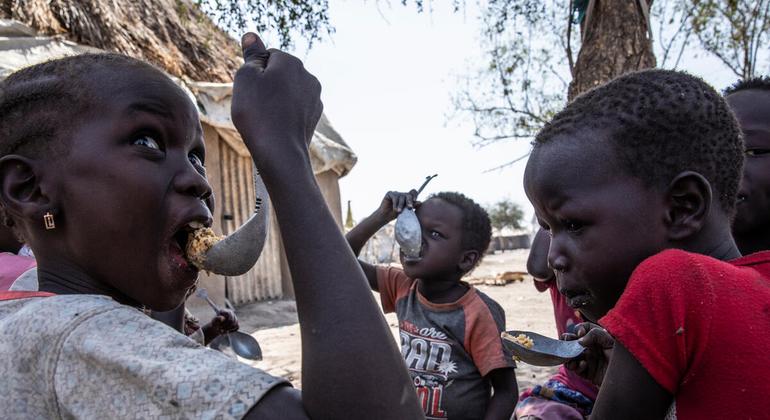

South Sudan: ‘All the Conditions for a Human Catastrophe Are Present’
Introduction
South Sudan, the youngest nation on Earth, gained independence from Sudan in 2011. However, since then, the country has been embroiled in conflict, political instability, and humanitarian crises. This article explores the multifaceted issues facing South Sudan, highlighting the dire predictions of human catastrophe that loom over its population.
Historical Context
Brief Overview of Independence and Immediate Challenges
Upon independence, South Sudan faced numerous challenges. With a fragmented political landscape and deep-rooted ethnic tensions, the nation was poised for difficulty. The newfound freedom was marred by internal strife, which exploded into civil war in 2013, leading to widespread violence and displacement.
The Civil War and Its Consequences
The civil war highlighted the fragile state of governance in South Sudan. Ethnic divisions between the Dinka and Nuer communities fueled atrocities, creating a cycle of revenge that ensures lasting animosity. Millions were displaced, either internally or as refugees in neighboring countries.
Current Humanitarian Crisis
Widespread Displacement and Refugee Crisis
Today, an estimated 4 million South Sudanese are displaced, with over 2 million fleeing to neighboring countries. Refugee camps often lack basic necessities, leaving families vulnerable to disease and malnutrition.
Food Insecurity: A Looming Famine
Food insecurity is one of the most pressing issues in South Sudan. According to the World Food Programme, approximately 7.76 million people—about two-thirds of the population—face severe hunger. Crops fail, conflict disrupts agricultural activities, and access to food is severely limited.
Political Instability
Lack of Effective Governance
Government institutions in South Sudan are weak, plagued by corruption and inefficiency. Power struggles among political leaders only worsen the situation, undermining any efforts at national reconciliation.
The Role of Armed Groups
Various armed groups continue to operate outside of governmental control, perpetuating violence and further destabilizing the country. These groups often clash over resources, exacerbating the existing humanitarian crisis.
Health Crisis
Access to Healthcare Services
The healthcare infrastructure in South Sudan is critically underdeveloped. Many medical facilities are either non-functional or located far from where people live, making access to healthcare a significant challenge. Disease outbreaks, such as cholera and malaria, add to the burden on an already struggling population.
Malnutrition Rates
Malnutrition remains a significant concern, particularly among children. The combination of conflict, displacement, and food insecurity leads to high malnutrition rates, with many children suffering from stunted growth and impaired cognitive development.
International Response
Humanitarian Aid
The international community has stepped in to provide humanitarian aid, yet the response has often been inadequate. Aid organizations face numerous challenges, including logistical issues and security threats. Despite efforts, funding shortages limit the scale of the support provided.
Peacekeeping Efforts
The United Nations Mission in South Sudan (UNMISS) aims to stabilize the country and protect civilians, but its efficacy has been questioned. Limited resources and the complex political landscape hinder peacekeeping efforts, raising concerns about long-term stability.
The Role of Climate Change
Environmental Degradation
South Sudan’s environment is under significant threat due to climate change. Frequent flooding and changing weather patterns have devastated agricultural production, resulting in severe food shortages.
Impact on Livelihoods
The combination of conflict and climate change has led to a loss of traditional livelihoods, pushing people into increasingly desperate situations. Resources are becoming scarcer, exacerbating tensions and violence.
The Path Forward
Importance of Peacebuilding Initiatives
For South Sudan to have a chance at avoiding catastrophe, peacebuilding initiatives must be at the forefront. Inclusive dialogues that involve all ethnic and political groups are essential for long-lasting peace.
Strengthening Governance
Improving governance would entail addressing corruption and creating accountable institutions. This is vital for building public trust and laying the foundations for sustainable development.
Conclusion
South Sudan stands at a crossroads, with ‘all the conditions for a human catastrophe’ present. While the international community continues to provide aid, true solutions lie in addressing the root causes of conflict and creating a stable governance framework. Only then can South Sudan hope for a brighter future, free from the shadows of famine, displacement, and violence.
Call to Action
As global citizens, it is crucial for us to remain informed about the situation in South Sudan and advocate for international attention and aid. Supporting reputable organizations working on the ground can help alleviate the suffering of millions. Together, we can contribute to a concerted effort toward peace and recovery in this beleaguered nation.
For more details and the full reference, visit the source link below:
Read the complete article here: https://news.un.org/feed/view/en/story/2026/01/1166865