
SECURITY COUNCIL LIVE: Ukraine in Spotlight as Russian Strikes Surge
Introduction
In recent weeks, Ukraine has once again captured international attention as Russian strikes increase dramatically. The United Nations Security Council convenes to address the ongoing crisis, drawing global focus on the conflict that has implications not only for Ukraine but for international stability as a whole. This article delves into the current situation, the role of the Security Council, and the broader implications for global peace and security.
Overview of the Conflict
Historical Context
The roots of the Ukraine-Russia conflict can be traced back to 2014 when Russia annexed Crimea, leading to significant geopolitical tensions. Since then, the situation has only deteriorated, with ongoing military confrontations in Eastern Ukraine. The recent surge in Russian strikes has stirred fears of an escalation that could destabilize the entire region.
The Situation Today
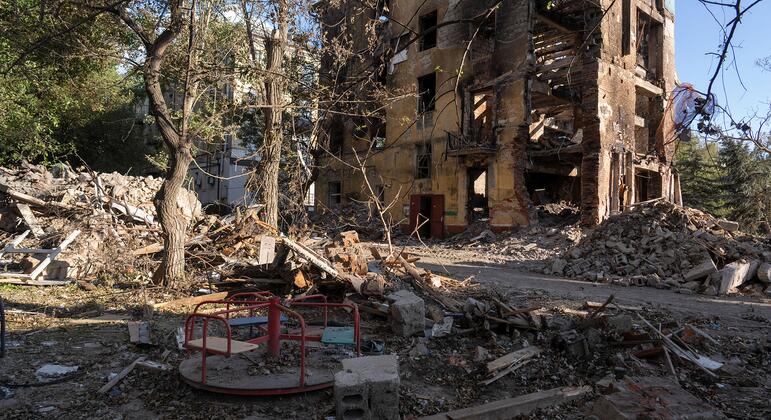
As of October 2023, reports indicate that Russian military operations have intensified. Ukrainian cities face heavy bombardment, causing civilian casualties and displacements. The Ukrainian Armed Forces continue to engage Russian troops in various regions, showcasing resilience. As the landscape of the conflict evolves, the international community watches closely.
The Role of the Security Council
Purpose and Function
The United Nations Security Council (UNSC) was established to promote peace and security internationally. It provides a platform for member states to address conflicts, impose sanctions, and deploy peacekeeping missions. In light of the Ukraine crisis, the Security Council is a critical venue for diplomatic discussions and potential resolutions.
Recent Meetings
In the wake of the renewed Russian attacks, the Security Council held a series of emergency meetings. The primary agenda revolves around condemning the Russian actions, assessing humanitarian needs, and examining options for imposing sanctions or diplomatic measures. Several member states, particularly from NATO, voice strong opposition to Russia’s actions, emphasizing the need for urgent intervention.
Key Issues on the Agenda
Humanitarian Crisis
The escalating conflict has resulted in a humanitarian crisis, with millions of Ukrainians displaced and in dire need of assistance. Food insecurity, lack of medical supplies, and inadequate shelter are pressing issues that humanitarian organizations are striving to address. The Security Council discussions often highlight the urgency of providing aid and ensuring safe passages for civilians.
Security Concerns
The increased military activity has raised alarm about regional security. Neighboring countries are on high alert, fearing that the conflict may spill over. The Security Council emphasizes the importance of de-escalation and dialogue to prevent a broader military confrontation in Europe.
International Support for Ukraine
Many nations are stepping up their support for Ukraine, providing military aid, financial assistance, and humanitarian resources. The Security Council deliberates on the effectiveness and implications of such support, especially regarding potential repercussions from Russia.
The Impact of Russian Strikes
Civilians in Peril
The foremost concern amidst the surge in Russian strikes is the welfare of civilians. School buildings, hospitals, and essential infrastructure are consistently under threat. The Security Council must consider resolutions that not only condemn the violence but also explore mechanisms to protect civilian lives.
Implications for Global Diplomacy
The ongoing crisis challenges the efficacy of international diplomacy. Countries are divided in their approach to Russia, with some arguing for stronger sanctions, while others advocate for negotiation. The Security Council’s inability to reach a consensus can hinder effective resolution efforts.
The International Response
Sanctions on Russia
In response to increased aggression, Western nations have implemented and are considering further sanctions against Russia. These measures aim to exert economic pressure on the Kremlin to deter further military actions. The Security Council is a critical forum for discussing the potential for multilateral sanctions.
Increased Military Alliances
The conflict has prompted NATO allies and other countries to strengthen military cooperation with Ukraine. Discussions within the Security Council often include collective defense treaties and mutual aid agreements, highlighting the increasing militarization in response to the crisis.
The Path Forward
Diplomatic Solutions
As the Security Council debates the situation, the focus increasingly shifts to diplomatic avenues. Engaging in dialogue with Russia, while maintaining support for Ukraine, presents a challenging balance. Proposed frameworks for negotiations are crucial for addressing the root causes of the conflict.
Humanitarian Support
A significant part of any proposed solution must include comprehensive humanitarian aid strategies. The Security Council could advocate for a coordinated effort to deliver essential supplies and aid to affected areas, emphasizing the need for safety and access for humanitarian workers.
Conclusion
The current crisis in Ukraine emphasizes the critical role of the United Nations Security Council in maintaining global peace and security. As Russian strikes surge, the world watches closely, awaiting the Council’s decisions that could shape the future of not only Ukraine but also international relations. The urgency for humanitarian aid, diplomatic resolutions, and international solidarity cannot be overstated. As the situation evolves, continuous monitoring and responsive action remain imperative to protect those affected and strive for lasting peace.
Call to Action
Stay informed about the ongoing developments in Ukraine and support humanitarian efforts through reliable international organizations. Engage in discussions about peace and security in forums and communities to contribute to global awareness. Together, we can advocate for a resolution that honors human rights and international law.
For more details and the full reference, visit the source link below:
Read the complete article here: https://news.un.org/feed/view/en/story/2026/03/1167185