
Security Council LIVE: Top UN Officials Call for De-escalation in Yemen
In recent weeks, the situation in Yemen has escalated, prompting urgent discussions at the United Nations Security Council (UNSC). Key UN officials have emphasized the dire need for de-escalation in this conflict-ridden nation. The ongoing humanitarian crisis and the deteriorating security situation necessitate immediate attention and intervention from the international community.
Background: The Yemen Conflict
Yemen has been embroiled in conflict since 2014, when Houthi rebels seized control of the capital, Sanaa. This uprising triggered a multi-faceted war involving various factions and foreign powers. The UN has consistently highlighted the catastrophic consequences of this war, which has led to one of the worst humanitarian crises in the modern world.
Rising Tensions: Recent Developments
As the Security Council convened, tensions were highlighted over renewed clashes and airstrikes, particularly in western Yemen. These developments exacerbate an already-fragile situation, increasing the number of displaced persons and further straining humanitarian efforts. Several UN representatives have articulated the urgent need for peace talks to resume to address these escalations.
The Humanitarian Crisis in Yemen
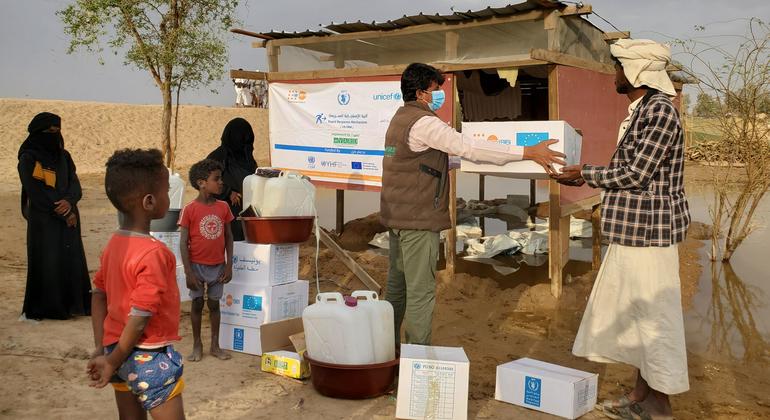
According to numerous reports, over 24 million people—approximately 80% of Yemen’s population—are in need of humanitarian assistance. Access to basic necessities like food, clean water, and medication is severely compromised. The continuous fighting disrupts aid delivery and further exacerbates the suffering of civilians. UN officials emphasized that the conflict’s de-escalation is crucial not only for political peace but also for humanitarian relief.
The Role of Humanitarian Relief Efforts
Humanitarian organizations operating within Yemen have had to adapt to rapidly changing conditions. Access to territories affected by conflict is often restricted, making it challenging to provide essential services. UN officials underscored the importance of ensuring safe passage for aid workers and supplies, advocating for the protection of civilian areas during military operations.
The Call for De-escalation
During the UNSC meeting, several high-ranking UN officials reiterated the need for de-escalation. They called upon all parties engaged in the conflict to cease hostilities immediately. This call for peace was not just about stopping the fighting; it was a plea for dialogue and negotiation, emphasizing that a military solution would not bring lasting stability.
Diplomatic Solutions and Peace Talks
To facilitate a peaceful resolution, the UN emphasized the need for renewed diplomacy. Previous peace talks have ended without significant achievements, leading to further frustration among the Yemeni populace. UN mediators have been encouraged to explore new frameworks for discussions, involving women and youth to ensure a comprehensive approach to peacebuilding.
The International Community’s Responsibility
As the UNSC deliberates, the international community faces an ethical dilemma and moral responsibility regarding intervention in Yemen. Countries involved must assess their roles and act to support re-negotiation efforts. As members of the global community, they should ensure that humanitarian corridors are protected and that aid is allowed to flow into the country without obstruction.
Human Rights Considerations
Apart from the immediate humanitarian concerns, the Security Council has also called attention to human rights violations occurring in Yemen. Reports of indiscriminate bombings, targeting of civilians, and the detainment of political dissidents have raised alarms on the global stage. UN officials have urged parties involved to comply with international humanitarian laws and protect the rights of the Yemeni people.
Economic Impact of the Yemen Conflict
The war in Yemen has devastated the country’s already fragile economy. Critical sectors such as agriculture and trade have been severely impacted, leading to soaring unemployment rates. The international community’s engagement, not just in humanitarian aid but in economic revitalization efforts, is essential for establishing a sustainable future for Yemen.
The Role of Education and Youth Empowerment
The situation in Yemen also poses long-term challenges for the education sector. With schools destroyed or repurposed for military use, many children are denied access to education. UN officials have highlighted the importance of investing in youth empowerment and education as part of a comprehensive recovery strategy.
Conclusion: A Call to Action
The current situation in Yemen is urgent and requires immediate action from the international community. With the UNSC live discussions ongoing, it is crucial for all parties involved to recognize the significance of de-escalation and resuming dialogue. For Yemen to emerge from decades of conflict and instability, it will require not just short-term humanitarian aid but long-term strategies for peace, governance, and reconstruction.
The stakes are incredibly high, as the lives of millions hang in the balance. By prioritizing peace, the international community can help forge a new path forward for Yemen that respects human rights and restores dignity to its people.
As we continue to monitor the Security Council’s discussions, it is vital to remain hopeful yet vigilant, advocating for solutions that foster lasting peace and stability in Yemen. Through collective diplomacy, accountability, and a focus on humanitarian needs, there is a path to end the conflict and rebuild Yemen.
By emphasizing the urgency of this issue in discussions both on and off the UNSC floor, we can work towards a future where Yemenis can live free from the shadow of war and violence. The time to act is now.
For more details and the full reference, visit the source link below:
Read the complete article here: https://news.un.org/feed/view/en/story/2026/07/1167924

