
Security Council LIVE: Founding Principles of the UN Facing ‘Profound Strain’, Guterres Warns
Introduction
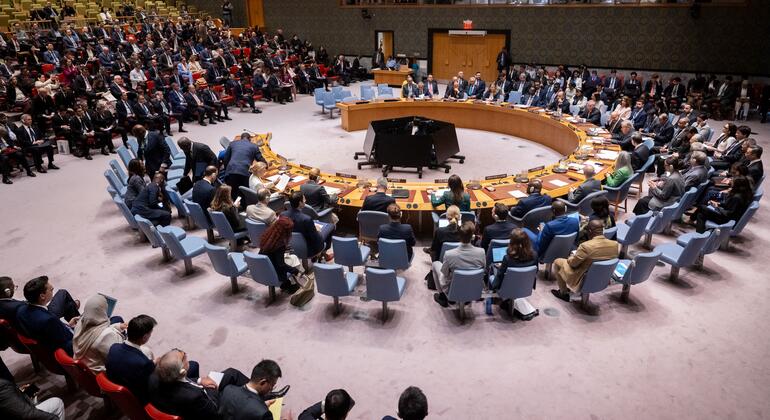
As the United Nations (UN) navigates through turbulent geopolitical waters, Secretary-General António Guterres has voiced serious concerns about the strain on the founding principles of the organization. In a recent Security Council meeting, he emphasized the need for unity and adherence to the core values entrenched in the UN Charter. This article explores the implications of Guterres’ warnings, delving into the fundamental principles of the UN, the current global landscape, and the urgent need for reform in international relations.
The Foundational Principles of the United Nations
Peace and Security
The primary mission of the UN, established post-World War II, centers around the maintenance of international peace and security. The principles emphasize the importance of resolving conflicts through dialogue and diplomacy rather than through military interventions.
Human Rights
Human rights form the bedrock of the UN’s operations. The Universal Declaration of Human Rights, adopted in 1948, set the standard for international human rights. The UN aims to promote social progress and better standards of life in larger freedom.
Development
The UN also champions economic and social development as a fundamental tenant for global stability. The Sustainable Development Goals (SDGs), adopted in 2015, highlight the organization’s commitment to ending poverty, protecting the planet, and ensuring prosperity for all.
Multilateralism
Multilateralism is crucial in addressing global challenges. The UN promotes cooperation among member states to forge collective responses to issues like climate change, pandemics, and conflicts.
Guterres’ Warning: Key Concerns
Geopolitical Instability
Guterres highlighted that geopolitical tensions are rising, leading to a ‘profound strain’ on the principles of the UN. Ongoing conflicts in regions such as Ukraine, the Middle East, and the South China Sea demonstrate the urgent need for dialogue and diplomatic solutions.
Erosion of Trust
The Secretary-General stressed that trust among nations is deteriorating. In an age where misinformation spreads rapidly, maintaining truthful dialogue becomes increasingly challenging. Guterres warned that without trust, cooperation wanes, exacerbating global instability.
Climate Change
One of the most pressing issues currently facing the world is climate change. Guterres noted that the failure of nations to act cohesively in addressing environmental challenges undermines the UN’s core values. The impacts of climate change disproportionately affect vulnerable populations, leading to further inequities and social unrest.
The Role of the Security Council
Authority and Mandate
The UN Security Council (UNSC) is tasked with maintaining international peace and security. However, its decision-making process has faced criticism, particularly due to the dominance of the five permanent members who wield veto power.
Calls for Reform
Guterres has echoed calls for reforming the Security Council to enhance its credibility. There are growing demands to expand the Council’s membership to include emerging powers and diminish the disproportionate influence of a few nations, thereby reflecting contemporary global dynamics.
The Importance of International Cooperation
Strengthening Alliances
In response to Guterres’ warnings, member states must reaffirm their commitment to multilateralism. Strengthening alliances among nations can encourage collaboration to tackle issues such as health crises and economic downturns driven by the pandemic.
Building Trust
Trust is vital for effective international relations. To mend the fractures in global cooperation, nations must engage in transparent communications and actions that reflect mutual interests. Initiatives aimed at fostering diplomacy will be critical in restoring faith in established institutions.
The Future of the UN
Adapting to Change
The UN must evolve to remain relevant in a rapidly changing world. Adapting its policies and practices to reflect contemporary challenges will be essential for sustaining its foundational principles.
Building Resilience
The ability to respond effectively to crises is paramount. The UN must prioritize building resilience in systems and frameworks that govern international relations. Ensuring that humanitarian assistance reaches those in need, particularly in conflict zones, is crucial for upholding human rights.
Engaging the Next Generation
The future of the UN rests on its ability to engage younger generations. By involving youth in discussions around global governance and policymaking, the UN can foster an environment of innovation and progressive thinking that addresses the challenges of tomorrow.
Conclusion
António Guterres’ warning about the strain on the founding principles of the United Nations serves as a critical reminder of the challenges facing international cooperation today. With increasing geopolitical instability, climate crises, and an erosion of trust among nations, it is imperative that member states recommit to the values espoused in the UN Charter. The time for dialogue, collaboration, and reform is now; the integrity of the global order depends on it.
In conclusion, as we move forward, let us recognize that the principles of peace, human rights, development, and multilateralism are not merely ideals but essential pillars that we must collectively uphold for a safer, fairer world.
For more details and the full reference, visit the source link below:
Read the complete article here: https://news.un.org/feed/view/en/story/2026/05/1167585