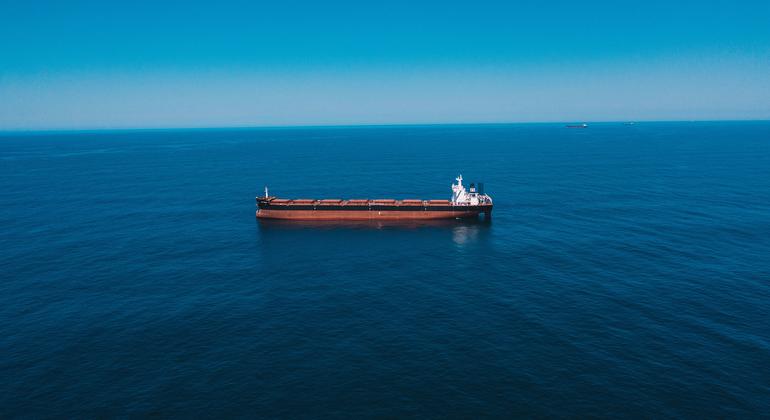

Sea Mines Clearance: A New Dimension of Difficulty
Sea mines pose a significant threat to maritime safety and security. With their destructive potential, the clearance of these underwater explosives has emerged as a critical challenge for naval forces and maritime organizations worldwide. This article explores the multifaceted issues surrounding sea mines clearance, the methods employed to tackle these challenges, and the emerging technologies reshaping this domain.
Understanding Sea Mines
What are Sea Mines?
Sea mines are explosive devices placed in water to destroy or damage vessels. They can be anchored to the seabed, drift with currents, or be deployed by submarines and aircraft. The different types of sea mines include contact mines, magnetic mines, and acoustic mines, each designed to detonate under specific conditions.
The Historical Context of Sea Mines
Historically, sea mines have played a pivotal role in naval warfare since their introduction in the early 20th century. World War I and II saw extensive deployment of these weapons, leading to the sinking of numerous vessels. Even after conflicts ended, remnants of sea mines continued to threaten maritime navigation, necessitating robust clearance efforts.
The Challenges of Sea Mines Clearance
Environmental and Safety Concerns
One of the primary challenges of sea mines clearance lies in the environmental impact. Traditional clearance methods, such as detonation, can cause significant ecological damage. Moreover, navigating hazardous waters requires specialized skills and technologies to ensure personnel safety.
Technical Limitations
The detection and identification of sea mines are intricate processes fraught with difficulties. Underwater terrains can be complex, and standard detection systems may not accurately identify all types of mines. Furthermore, adverse weather conditions can hinder clearance operations, complicating an already daunting task.
Political and Legal Issues
International waters raise several legal and jurisdictional concerns. Determining responsibility for clearance operations and adhering to international laws can complicate efforts. Moreover, there may be tensions between nations with overlapping interests in disputed maritime zones.
Methods of Sea Mines Clearance
Traditional Clearance Techniques
1. Manual Clearance:
Divers trained in underwater demolition are often deployed for manual clearance. This method, while effective in some scenarios, poses significant risks to human life.
2. Mechanical Clearance:
Using remotely operated vehicles (ROVs) and specialized vessels equipped with detection equipment, mechanical clearance is another common approach. Though less risky than manual clearance, it is often more expensive and time-consuming.
Advanced Technology in Clearance
Autonomous Underwater Vehicles (AUVs)
AUVs represent a game-changing development in sea mines clearance. These vehicles can operate autonomously, using advanced sensors to detect and classify mines. They drastically reduce human risk and can cover large areas more efficiently than traditional methods.
Sonar Technology
Enhanced sonar technology is crucial for detecting submerged mines. Side-scan sonar systems can capture detailed images of the underwater seafloor, helping operators locate mines more effectively.
The Role of Artificial Intelligence
AI is revolutionizing the field of mine clearance. Machine learning algorithms can analyze sonar data to improve the identification of mines, drastically reducing the time and effort needed for manual verification. This technology also allows for real-time decision-making, adapting to unique underwater environments.
The Future of Sea Mines Clearance
International Cooperation
Global collaboration is vital for the effective clearance of sea mines. As many nations encounter similar threats, international cooperation can streamline protocols, share resources, and establish best practices.
Emerging Research and Innovations
Several organizations are actively researching new technologies for mine clearance, from drones to biodegradable detection devices. These innovations aim to mitigate environmental risks while enhancing effectiveness and safety in operations.
Conclusion
The clearance of sea mines remains a daunting yet crucial endeavor. As maritime threats evolve, so too must the strategies and technologies used to combat them. By embracing innovations in AI, advancing detection methods, and fostering international cooperation, the formidable challenge of sea mines clearance can be addressed more effectively, safeguarding our oceans for future generations.
SEO Optimization Tips
To ensure visibility and relevance in search engines, this article employs several SEO optimization techniques:
- Targeted Keywords: The article includes strategic keywords such as “sea mines”, “clearance methods”, “AUVs”, and “maritime safety”, which are essential for improving search rankings.
- Headings and Subheadings: Organized content with clear headings and subheadings improves readability and helps search engines understand the structure and key topics.
- Internal and External Links: Consider linking to authoritative sources discussing sea mine clearance to increase credibility and provide additional information to readers.
By focusing on the challenges and advancements in sea mines clearance, this article not only informs readers but also meets SEO best practices, ensuring it reaches a broader audience engaged in maritime safety issues.
For more details and the full reference, visit the source link below:
Read the complete article here: https://news.un.org/feed/view/en/story/2026/03/1167216