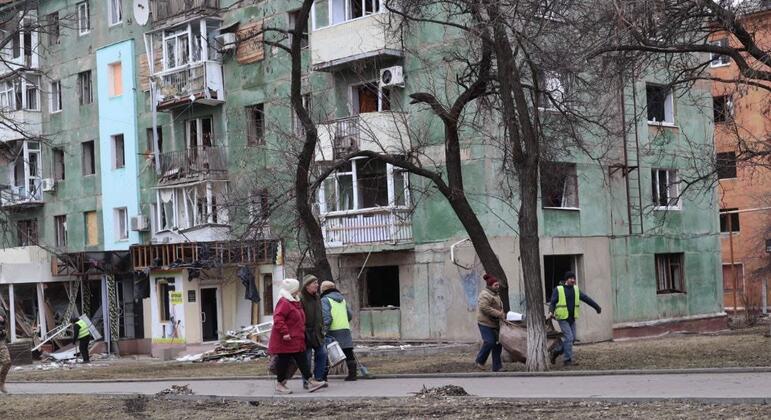

Russian Attacks on Ukrainian Civilians: A Grave Violation of Humanitarian Law
Introduction
The ongoing conflict between Russia and Ukraine has drawn international scrutiny, particularly concerning the alarming reports of attacks on Ukrainian civilians. Recent statements by senior United Nations officials highlight these actions as clear violations of humanitarian law. This article delves into the implications of these violations, explores humanitarian law, and discusses the broader impact of such actions on global peace and security.
Understanding Humanitarian Law
Humanitarian law, also known as the laws of war, comprises international norms that seek to protect individuals during armed conflicts. Established by the Geneva Conventions and their Additional Protocols, humanitarian law governs the conduct of hostilities, ensuring that non-combatants receive protection from violence and inhumane treatment.
Key Principles of Humanitarian Law
- Distinction: Parties involved in armed conflict must differentiate between combatants and civilians, targeting only military objectives.
- Proportionality: Attacks must not cause excessive civilian harm in relation to the anticipated military advantage.
- Necessity: Any military action must be essential for achieving a legitimate military objective.
- Humanity: All parties must treat all individuals humanely, prohibiting acts such as torture, cruel treatment, and humiliating treatment.
The principles outlined are critical in ensuring that civilians are protected during wartime. Violating these can lead to severe repercussions for the aggressor.
Russian Attacks and Civilian Targets
The recent reports of Russian attacks targeting Ukrainian civilian populations have raised alarms among international observers. These attacks reportedly include shelling residential areas, infrastructure, and humanitarian convoys—acts that directly contravene humanitarian law.
Key Incidents and Their Impact
-
Residential Areas Under Fire: Numerous accounts indicate that Russian forces have targeted neighborhoods, resulting in significant civilian casualties. These actions have forced many residents to flee their homes, seeking refuge in safer regions.
-
Infrastructure Strikes: Attacks on essential infrastructure such as hospitals, schools, and water supply systems have escalated. Such assaults not only endanger lives but also hinder humanitarian efforts to assist those in need.
-
Attacks on Humanitarian Convoys: The obstruction and targeting of humanitarian aid convoys exemplify a deliberate violation of the principle of necessity, obstructing the provision of vital assistance to those affected by the conflict.
The Psychological Impact on Civilians
The onslaught on Ukrainian civilians does not just lead to physical harm but also inflicts long-lasting psychological trauma. Many individuals suffer from post-traumatic stress disorder (PTSD), anxiety, and depression due to the ongoing violence and uncertainty about their future.
The Role of the United Nations
The United Nations plays a pivotal role in addressing humanitarian violations through monitoring, reporting, and advocacy. Senior UN officials have condemned the attacks on Ukrainian civilians, calling for immediate cessation of hostilities and accountability for war crimes.
Advocacy for Human Rights
The UN emphasizes the need for adherence to international law, advocating for humanitarian access and protection for civilians. The organization works in conjunction with various agencies to deliver aid and assistance to those affected by the conflict, underscoring the importance of compliance with humanitarian law.
Investigating War Crimes
In response to the situation, the UN has initiated investigations into reported war crimes against the civilian population. Gathering evidence, testimonies, and documentation of violations is essential for holding perpetrators accountable and ensuring justice for victims.
International Response and Accountability
The global response to Russia’s actions has been a mixture of condemnation, sanctions, and calls for humanitarian assistance. Various nations and organizations are working to reinforce pressure on Russia to comply with international law.
Imposing Sanctions
Many countries have instituted economic and military sanctions against Russia, aimed at curbing its ability to wage war and undermine its economy. Such measures are intended to hold Russia accountable for its actions while supporting Ukraine in its fight for sovereignty.
Supporting Humanitarian Efforts
International organizations are mobilizing resources to provide humanitarian aid to affected populations. Governments and NGOs are working tirelessly to deliver food, medical supplies, and other necessities to civilians caught in the conflict.
The Broader Implications of Violating Humanitarian Law
The assaults on Ukrainian civilians represent not only a humanitarian crisis but also a threat to global peace and security. Violations of international law can embolden similar actions in other regions, undermining decades of progress in human rights.
Erosion of International Norms
When nations violate humanitarian law without facing consequences, it sets a precedent that can lead to further violations globally. Such erosion of norms diminishes the efficacy of international law, weakening the mechanisms established to protect human rights.
Heightening Tensions
The ongoing conflict increases geopolitical tensions, complicating international relations. Nations may take sides based on their interests, leading to divisions that can foster unrest and instability in other regions.
Conclusion
The attacks on Ukrainian civilians represent a serious breach of humanitarian law. As highlighted by senior UN officials, these violations warrant urgent international attention and action. Upholding humanitarian principles is crucial not only for protecting vulnerable populations but also for ensuring a stable and peaceful global environment. It is incumbent upon the international community to respond decisively, reinforcing the importance of adherence to humanitarian law and taking steps to hold violators accountable. The protection of human rights must remain at the forefront of global endeavors as we strive for a more just and peaceful world.
For more details and the full reference, visit the source link below:
Read the complete article here: https://news.un.org/feed/view/en/story/2026/05/1167509