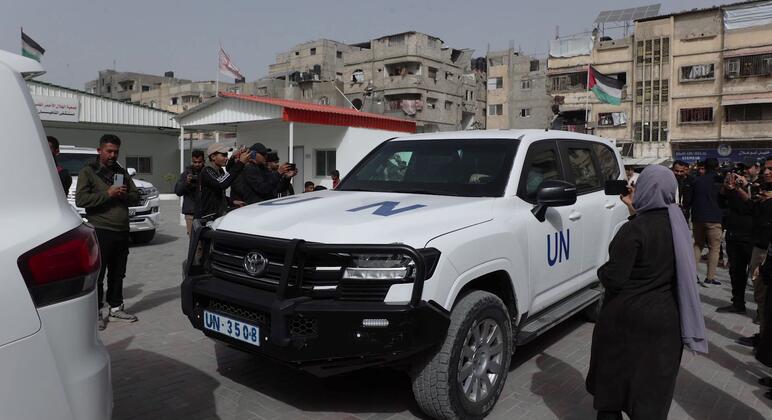

Rafah Reopening Offers Lifeline for Patients, but Aid Flow Still Far from Enough
The Rafah crossing, a vital gateway between Egypt and the Gaza Strip, has reopened, generating a flicker of hope and relief for many Palestinians in dire need of medical assistance. However, while this reopening offers a lifeline for patients, the overall flow of aid remains strikingly inadequate. This article explores the significance of the Rafah crossing’s reopening, the challenges faced by patients, and the urgent need for a robust aid response.
The Significance of Rafah Crossing Reopening
A Critical Medical Channel
The Rafah border crossing serves as an essential artery for medical evacuations and humanitarian aid. With many hospitals in Gaza operating beyond capacity due to ongoing conflicts, the reopening presents an opportunity to transport critical cases to Egyptian hospitals equipped with the necessary medical infrastructure.
Immediate Relief for Patients
The reopening has already allowed for the passage of several patients needing urgent medical treatment. Many individuals suffering from severe conditions such as cancer, heart disease, and other life-threatening ailments have previously found themselves in a precarious situation, lacking access to necessary interventions. The bridge that Rafah provides can significantly alter the fate of such patients, giving them a chance to access life-saving treatments.
The Continuing Humanitarian Crisis
Perennial Shortages
Despite the reopening, the flow of aid remains limited. Numerous reports indicate that essential supplies like medications, surgical instruments, and even basic necessities are still not reaching those in desperate need. The bottleneck in aid shows that while the Rafah crossing may facilitate some access, it is not sufficient to meet the overwhelming demand of a beleaguered population.
The Toll on Healthcare Providers
Healthcare providers in Gaza are facing immense pressure due to the scarcity of resources. Medical professionals are strained, working long hours with minimal support. The reopening of Rafah can help alleviate some burdens, but without consistent and sufficient aid flow, the healthcare system remains vulnerable and overwhelmed.
Challenges in Aid Distribution
Bureaucratic Hurdles
The distribution of aid often encounters bureaucratic challenges. Regulations set by both Egyptian and Israeli authorities can complicate the swift passage of critical supplies. Delays in customs checks or restrictions on certain shipments can hinder the prompt provision of necessary medical supplies.
Security Concerns
Ongoing security issues in the region also pose a significant barrier to effective aid distribution. Aid trucks may face delays or diversions, further complicating the logistics of supply delivery. The protection of those involved in the distribution process, as well as the recipients of aid, must be prioritized.
Collaborative Efforts and Innovations
Partnerships with NGOs
International and local Non-Governmental Organizations (NGOs) are increasingly stepping up efforts to coordinate aid. Collaborative initiatives aim to bypass bureaucratic hurdles and ensure that critical supplies reach those in need. Strong partnerships among different organizations can facilitate a more efficient distribution network and improve resource allocations.
Telemedicine Initiatives
Innovative solutions, such as telemedicine programs, are beginning to emerge in Gaza. These technologies can connect patients with specialists abroad without needing physical transfer. Such initiatives can relieve some pressure off the healthcare system while ensuring patients still receive the necessary consultations and treatments.
The Role of International Community
Increased Funding and Support
The international community has a vital role in responding to the ongoing humanitarian crisis. Increased financial assistance can help bolster medical infrastructure and ensure a consistent flow of essential supplies. Support from international bodies can also focus on long-term recovery rather than merely immediate needs.
Advocacy and Awareness Campaigns
Awareness campaigns are essential in mobilizing global attention to the plight of Gaza’s residents. Advocacy can lead to increased pressure on governments and organizations to prioritize aid initiatives, ensuring that medical supplies reach those who need them most.
The Way Forward
Sustainable Solutions Needed
While the reopening of the Rafah crossing offers immediate relief, sustainable solutions must be prioritized for longer-term impact. Improving the healthcare system in Gaza and enhancing logistical frameworks for aid distribution can create a more resilient response to future crises.
Encouraging Local Empowerment
Involving local communities in decision-making processes can improve the efficiency of aid distribution. Empowering local healthcare providers and stakeholders can help tailor responses to the unique needs of the population, fostering a sense of agency among those affected by the ongoing crisis.
Conclusion
The reopening of the Rafah crossing is a welcome development for patients in Gaza, offering a much-needed avenue for medical treatment and humanitarian aid. However, the ongoing challenges related to aid distribution and systemic healthcare issues cannot be overlooked. A concerted effort from governments, NGOs, and international organizations is essential to address these challenges adequately.
While the Rafah crossing can serve as a critical lifeline, it is merely a part of the larger puzzle. A unified and sustainable approach that prioritizes the long-term health and wellbeing of Gaza’s populace is required. Only then can we hope to transform potential into progress, ensuring that the healthcare system in Gaza is equipped to handle both current and future challenges.
For more details and the full reference, visit the source link below:
Read the complete article here: https://news.un.org/feed/view/en/story/2026/02/1166881

