
The Persian Gulf Crisis: Impacts on Food Security and the FAO’s Warning
Introduction
The Persian Gulf crisis has escalated over recent years, presenting significant challenges to global stability and food security. As tensions rise among nations in this volatile region, the Food and Agricultural Organization (FAO) has raised alarms regarding the implications for food access and availability both locally and internationally. This article delves into the various aspects of this crisis, examining how it impacts food security and what measures can be taken to mitigate these effects.
Understanding the Persian Gulf Crisis
The Persian Gulf crisis refers to a series of geopolitical tensions and conflicts involving key nations in the region, including Iran, Saudi Arabia, and the United Arab Emirates. Factors contributing to these tensions include political rivalries, territorial disputes, and differing ideologies. These conflicts have far-reaching consequences, affecting various sectors, with food security being one of the most adversely impacted.
The Role of Oil in the Crisis
The Persian Gulf is known for its vast oil reserves, which play a crucial role in the global economy. Fluctuations in oil prices owing to conflict can lead to agricultural disruptions, resulting in limited supply and increased costs for food items. Oil-producing countries often rely on their petrodollars to import food, and any disruption can lead to food scarcity and inflation.
Food Security: A Global Concern
Food security is defined as the state in which all people, at all times, have physical, social, and economic access to sufficient, safe, and nutritious food. Given the interconnected nature of modern global food systems, instability in the Persian Gulf can have cascading effects across the globe.
The FAO’s Warning
In recent reports, the FAO highlighted the direct correlation between geopolitical stability in the Persian Gulf and food security. The organization warned that if tensions continue to escalate, it could lead to rising food prices, supply chain disruptions, and reduced agricultural productivity.
Supply Chain Vulnerabilities
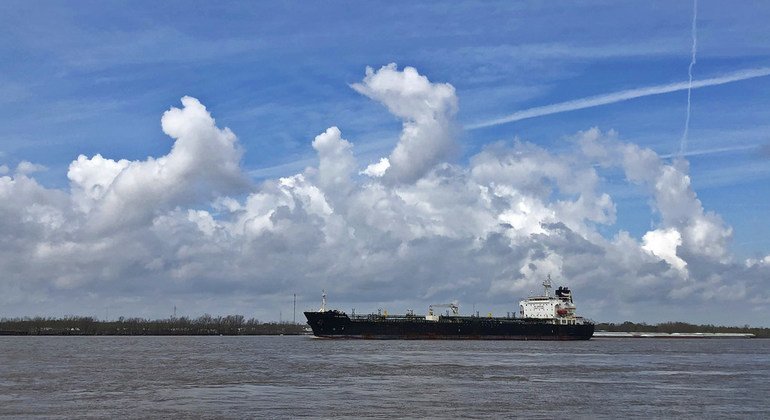
The food supply chain is complex, often relying on international trade routes that pass through the Persian Gulf. Any military conflict or blockade could disrupt the shipping lanes, delaying imports and increasing costs. Countries that depend heavily on imports from the Persian Gulf are likely to face acute food shortages.
The Humanitarian Impact
Rising Prices and Access
As conflicts continue, the prices of staple foods can rise sharply, making them unaffordable for low-income households. The FAO noted that households typically allocate a significant portion of their income to food. When prices soar due to external pressures, it can lead to malnutrition and hunger, particularly among vulnerable populations.
Displacement and Migration
The ongoing crisis also forces people to flee their homes, leading to an influx of refugees into neighboring countries. This displacement exacerbates food insecurity in both the affected nations and those receiving refugees, as they face increased demand for limited resources.
Regional Implications
Gulf Cooperation Council (GCC) Countries
The Gulf Cooperation Council (GCC) consists of six countries: Saudi Arabia, Kuwait, the UAE, Oman, Qatar, and Bahrain. These nations have made strides in enhancing food security, yet their dependency on food imports makes them vulnerable to disruption. As tensions rise, GCC countries face the risk of significant food shortages and increased prices.
Iran’s Perspective
Iran, amidst economic sanctions and isolation, faces its own food security crisis. Rising prices and limited access to imported goods contribute to domestic instability. The Iranian government has attempted to enhance self-sufficiency in food production, but ongoing tensions hinder these efforts.
The Role of International Organizations
FAO Initiatives
The FAO has initiated several programs aimed at improving food security in conflict-affected regions. Efforts include market stabilization projects, enhancing agricultural production, and providing financial assistance to farmers. The goal is to mitigate the impacts of conflict on food systems and ensure that vulnerable communities have access to sufficient food.
Collaboration with Local Governments
To address the crisis effectively, collaboration between international organizations and local governments is crucial. The FAO encourages nations in the Persian Gulf to prioritize stability and engage in dialogue to prevent food insecurity from worsening.
Strategies for Mitigating Food Insecurity
Diversifying Supply Sources
One way to mitigate the impact of the Persian Gulf crisis on food security is to diversify food supply sources. Countries should aim to reduce dependency on a single region and explore alternative markets for food imports. This can improve resilience against geopolitical disruptions.
Investing in Agriculture
Investment in local agricultural production is essential for enhancing food security. Governments in the GCC can develop policies that incentivize domestic farming, promoting self-reliance and reducing reliance on imports.
Enhancing Crisis Preparedness
Establishing early warning systems for food insecurity can help nations respond promptly to shifts in food availability and prices. Governments need to focus on measures such as strategic food reserves to manage potential crises effectively.
Conclusion
The Persian Gulf crisis poses significant threats to food security, not only within the region but across the globe. As highlighted by the FAO, ongoing tensions could lead to rising food prices, supply chain disruptions, and increased vulnerability among populations. In the face of this challenge, a multifaceted approach is necessary, including diversification of supply sources, investment in agriculture, and enhanced crisis preparedness. Collaboration among nations, international organizations, and local governments remains crucial in the struggle for food security amid geopolitical instability in the Persian Gulf. Recognizing the interconnectedness of food systems will be vital for stabilizing food access and availability in this tumultuous region.
By addressing these challenges, we can work towards a more secure and resilient global food system, ensuring that all communities can access the nutrition they need for a healthy, sustainable future.
For more details and the full reference, visit the source link below:
Read the complete article here: https://news.un.org/feed/view/en/story/2026/03/1167205

