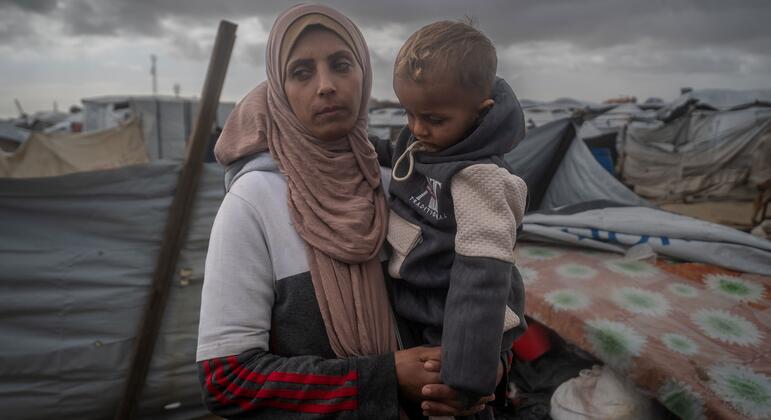

Palestine: UN Rights Chief Highlights Suffering and Atrocity Crimes ‘That Remain Unpunished’
Introduction
Recent comments from the United Nations Human Rights Chief have shed light on the ongoing suffering experienced by the people of Palestine. The UN, which has played a significant role in advocating for human rights, emphasizes the atrocities committed in the region that remain unjustly unpunished. As the complexities of the Israeli-Palestinian conflict persist, it is crucial to examine the implications of these violations and the urgent call for accountability.
Historical Context of Human Rights Violations in Palestine
The Israeli-Palestinian conflict has a long and turbulent history characterized by territorial disputes, military confrontations, and human rights violations. Since the establishment of the state of Israel in 1948, the Palestinian people have endured significant hardships. Displacement, occupation, and systemic discrimination are just some aspects of their ongoing struggle for self-determination.
Key Events Shaping the Conflict
-
The Nakba (1948): This Arabic term, meaning “catastrophe,” refers to the mass displacement of Palestinians during the creation of Israel. Approximately 700,000 Palestinians were expelled from their homes and continue to claim the right of return.
-
The Six-Day War (1967): Israel’s occupation of the West Bank, Gaza Strip, and East Jerusalem began following this pivotal conflict. The subsequent military governance has led to numerous human rights violations.
-
Oslo Accords (1993): These agreements aimed to set a framework for peace but failed to result in a lasting resolution, leaving Palestinians in a state of limbo.
-
Recent Conflicts: Repeated military escalations, particularly in Gaza, have resulted in severe casualties among Palestinian civilians and extensive destruction of infrastructure.
The Current Situation in Palestine
Widespread Human Rights Violations
The UN Human Rights Chief has documented ongoing violations, including:
-
Extrajudicial Killings: The use of lethal force against Palestinian civilians has raised serious ethical and legal questions. These actions often occur during protests, military operations, or as part of targeted assassinations.
-
Imprisonment: Thousands of Palestinians, including minors, have been detained without trial in harsh conditions. Many face torture and maltreatment.
-
Destruction of Property: The demolition of Palestinian homes and livelihood facilities is rampant, contributing to an environment of despair and hopelessness.
Psychological Impact on Palestinian Civilians
The psychological toll of sustained violence is profound. The constant threat of bombing, displacement, and loss creates a pervasive atmosphere of fear. Mental health issues, particularly among children, have escalated, necessitating urgent intervention and support.
Atrocity Crimes: An Overview
The term “atrocity crimes” refers to serious violations of international law, including war crimes, crimes against humanity, and genocide. The UN rights chief’s declaration underscores a critical need to address these abuses.
War Crimes
Actions that could be classified as war crimes in the context of the ongoing conflict may include:
-
Indiscriminate Attacks on Civilians: Bombings of non-military sites, particularly in densely populated areas like Gaza, raise moral and legal questions regarding military conduct.
-
Collective Punishment: The blockade of Gaza and restrictions imposed on the movement of goods and people may constitute collective punishment under international law.
Crimes Against Humanity
Repeated patterns of systematic attacks against civilians, including displacement and persecution based on ethnicity, are indicative of crimes against humanity. The UN has called for systematic investigations to provide accountability for these actions.
The Call for Accountability and Justice
International Responsibility
The UN Human Rights Chief has stressed the need for the international community to take collective responsibility for the wrongful actions committed against Palestinians. The lack of accountability not only emboldens the perpetrators but also perpetuates cycles of violence.
Mechanisms for Justice
Some mechanisms exist for pursuing justice:
-
International Criminal Court (ICC): The ICC has the authority to investigate war crimes. However, political challenges often hinder effective action.
-
UN Resolutions: Various UN resolutions have called for respecting the rights of Palestinians. However, enforcement has been challenging due to the political dynamics surrounding the conflict.
-
Advocacy by NGOs: Many non-governmental organizations work tirelessly to document human rights violations, putting pressure on nations to take action.
The Role of Global Activism
Grassroots Movements
Global solidarity movements supporting Palestine play a crucial role in raising awareness and lobbying for change. Social media campaigns have provided a platform for voices often marginalized in traditional media outlets.
Diplomacy and Advocacy
Diplomatic efforts are essential for achieving a peaceful resolution. Engaging in dialogue, fostering understanding, and advocating for the rights of Palestinians are critical components of the path toward justice.
Conclusion
The UN rights chief’s comments are a stark reminder of the suffering endured by Palestinians and the urgent need for accountability regarding atrocity crimes. As the international community faces the intersection of human rights and geopolitics, it must work collaboratively to pave the way for justice and lasting peace. The need for systemic change, based on a commitment to human dignity and respect for international law, is more pressing than ever. The journey toward justice for the Palestinian people is fraught with challenges, but it remains a moral imperative that cannot be ignored.
For more details and the full reference, visit the source link below:
Read the complete article here: https://news.un.org/feed/view/en/story/2026/02/1167043

