
Over Half of South Sudan’s Population Faces Acute Hunger Crisis
South Sudan, a nation grappling with numerous challenges, is currently confronting a severe humanitarian crisis that has led to acute hunger affecting more than half of its population. This article delves into the underlying causes, impacts, and potential solutions to this critical issue.
Understanding the Hunger Crisis in South Sudan
Current Statistics
As of the latest reports, approximately 7.76 million people, or over half of South Sudan’s population, are facing severe hunger. This alarming situation has been exacerbated by ongoing conflict, economic instability, and climate-related disasters. According to the United Nations, this crisis is amongst the worst in the world.
The Severity of the Situation
Conditions vary across regions, with some areas experiencing catastrophic hunger levels where famine is a real threat. In several locations, families are resorting to extreme measures, including selling livestock or going without food for days.
Factors Contributing to the Crisis
Ongoing Conflict
One of the primary drivers of hunger in South Sudan is the ongoing civil conflict that erupted in 2013. Continuous fighting not only disrupts agricultural production but also displaces communities, making it increasingly difficult for people to access food and resources.
Economic Instability
The economic landscape in South Sudan is marked by hyperinflation, skyrocketing food prices, and a lack of access to basic services. The cost of essential goods has shot up, making it impossible for families to afford even basic nutrition.
Climate Change and Environmental Factors
South Sudan’s climate crisis has deteriorated food security even further. Severe flooding and prolonged drought periods have devastated crops, leading to significant losses in agricultural output. These natural disasters are becoming more frequent and severely impact livelihoods.
The Social and Health Impacts of Hunger
Malnutrition Rates
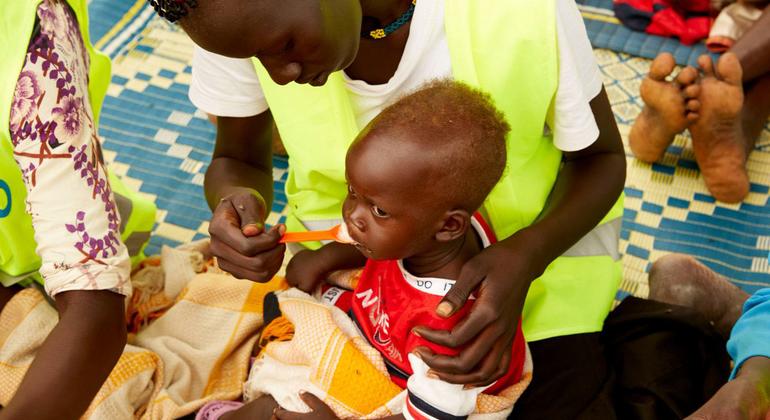
Malnutrition rates have surged alongside the hunger crisis, with children being particularly vulnerable. Reports indicate that over 1.3 million children under the age of five are at risk of acute malnutrition, affecting their growth and development.
Mental Health Implications
The psychological toll of living in constant hunger cannot be understated. Many individuals experience anxiety, depression, and trauma due to the instability and uncertainty surrounding food availability.
The Role of Humanitarian Aid
Current Humanitarian Efforts
Various international organizations are mobilizing to provide emergency assistance to those in desperate need. Initiatives include food distributions, nutrition programs for children, and agricultural support to help families grow their own food.
Challenges in Delivering Aid
Despite these efforts, delivering humanitarian aid remains fraught with challenges. Insecurity, bureaucratic obstacles, and infrastructural deficits hinder the effective distribution of supplies.
Long-term Solutions to Alleviate Hunger
Strengthening Agricultural Practices
Investing in sustainable agricultural practices is crucial for long-term food security. Providing training and resources can empower communities to become self-sufficient and resilient against future crises.
Promoting Peace and Stability
A resolution to the ongoing conflict is vital for any sustainable solution. Diplomatic efforts aimed at fostering peace will create a conducive environment for humanitarian aid and economic development.
Enhancing Economic Opportunities
Improving market access and developing local economies can help alleviate food insecurity. Initiatives that encourage local entrepreneurship and job creation can build resilience in communities.
The Importance of Global Support
International Collaboration
Addressing the hunger crisis in South Sudan requires a concerted global effort. Donor nations and humanitarian organizations must step up their contributions to ensure that aid reaches those in need.
Advocacy and Awareness
Raising awareness about the food crisis is essential for generating support. Social media and other platforms can play an instrumental role in mobilizing global action toward addressing the dire situation in South Sudan.
Conclusion
The acute hunger crisis facing South Sudan is a tragic manifestation of the intertwined challenges of conflict, economic instability, and climate change. As over half of the population struggles to find sufficient food, it’s imperative for the international community to act swiftly and collaboratively. By focusing on immediate relief efforts and long-term solutions, there is hope for a more stable, food-secure future for South Sudan.
Call to Action
Take action today by supporting organizations dedicated to alleviating hunger and promoting peace in South Sudan. Every contribution, no matter how small, can make a difference in the lives of those affected by this crisis. For further information, consider exploring government and non-profit initiatives aimed at providing assistance and advocacy for South Sudan.
For more details and the full reference, visit the source link below:
Read the complete article here: https://news.un.org/feed/view/en/story/2026/04/1167402