
Nuclear Disarmament at Breaking Point: Mistrust Grows, Yet Hope Remains
Introduction
Nuclear disarmament has been a cornerstone of global security discussions since the Cold War. Despite international efforts to reduce nuclear arsenals, recent geopolitical tensions have pushed the world to the brink of a new arms race. This article delves into the current state of nuclear disarmament, exploring the rising mistrust among nations and the flickering hopes that still inspire dialogue and cooperation.
The State of Global Nuclear Arsenal
A Growing Inventory
As of 2023, nine nations possess nuclear weapons, totaling over 13,000 warheads. While significant reductions have occurred since the peak of the Cold War, countries like the United States and Russia continue to modernize their arsenals. This ongoing arms development raises concerns about the effectiveness of existing treaties and disarmament efforts.
The Role of Treaties
Key treaties, such as the Treaty on the Non-Proliferation of Nuclear Weapons (NPT), were designed to curb the spread of nuclear weapons and promote disarmament. However, the effectiveness of these agreements is being questioned as nations seek to enhance their military capabilities.
Rising Mistrust among Nuclear Powers
Geopolitical Tensions
Geopolitical tensions have escalated in recent years, primarily due to conflicts in regions such as Eastern Europe and Asia. The war in Ukraine and ongoing tensions between North Korea and the West are significant examples of how mistrust is fostering a hostile environment. Countries are increasingly viewing nuclear weapons not just as deterrents but as essential tools of power.
Nuclear Modernization Programs
The modernization of nuclear arsenals by major powers has exacerbated mistrust. Nations like the United States, Russia, and China are investing heavily in new technologies—such as hypersonic missiles—to maintain a strategic edge. This arms race signals a dangerous pivot away from disarmament and toward a focus on deterrence and dominance.
Obstacles to Disarmament
Political Impediments
Political obstacles play a significant role in thwarting effective disarmament efforts. Domestic political agendas often prioritize national security over global cooperation. Despite widespread public support for disarmament, policymakers frequently adopt stances that favor military buildup, perpetuating cycles of mistrust.
Fragmentation of Dialogue
The fragmentation of international dialogue surrounding nuclear weapons further complicates disarmament efforts. Nations are more focused on bilateral relationships rather than multilateral negotiations, which have historically been more effective in addressing complex security challenges.
The Humanitarian Argument for Disarmament
Understanding the Consequences
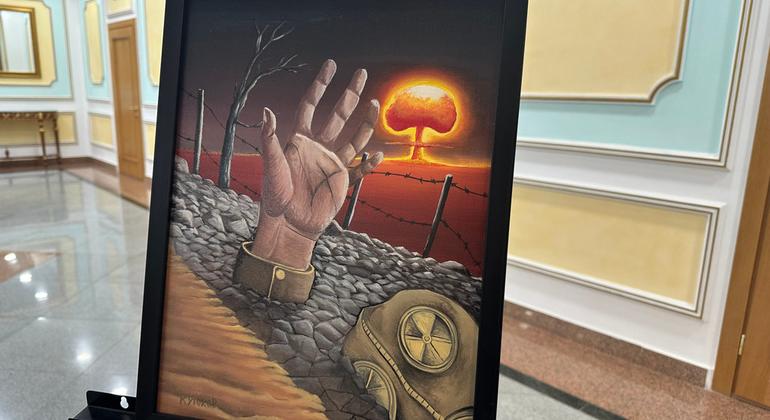
The catastrophic humanitarian implications of nuclear warfare cannot be overstated. The use of nuclear weapons would result in unparalleled destruction, loss of life, and long-lasting environmental damage. Raising awareness about these consequences can galvanize public support for disarmament and push policymakers to act.
Advocacy and Awareness
Organizations such as the International Campaign to Abolish Nuclear Weapons (ICAN) are playing a crucial role in promoting disarmament. By highlighting the humanitarian impacts of nuclear weapons, they foster a greater understanding of the need for change and encourage grassroots movements aimed at influencing policymakers.
Opportunities for Progress
Rebuilding Trust through Diplomacy
Despite the growing mistrust among nuclear powers, opportunities for rebuilding diplomatic relations still exist. Dialogue can pave the way for renewed negotiations on disarmament, allowing nations to address their concerns without resorting to military means.
Multilateral Approaches
Reinvigorating multilateral approaches, such as the NPT Review Conference, can foster collaboration among nations. Establishing forums for open dialogue can help countries address mutual security concerns while working toward disarmament.
Youth Engagement
Engaging younger generations in the discourse surrounding nuclear disarmament is crucial. Educational initiatives and youth-led movements can inspire new ideas and strategies that appeal to a global audience. Empowering youth with the knowledge of nuclear risks can also help sustain pressure on governments to prioritize disarmament.
The Role of Technology in Disarmament
Innovations for Verification
Advancements in technology offer new opportunities for verification and compliance. Satellite imagery and data analytics can help monitor nuclear activities and build trust among nations. Transparent communication aided by technology can create a more conducive environment for negotiations.
Cybersecurity and Nuclear Risks
In today’s digital age, cybersecurity has become a crucial element of nuclear disarmament. Ensuring that nuclear systems are secure from cyber threats is essential to prevent accidental launches or unauthorized use. Addressing cybersecurity concerns within the context of nuclear weapons can bolster trust and enhance disarmament efforts.
Conclusion: A Hopeful Path Forward
While the current state of nuclear disarmament appears bleak amid rising mistrust and geopolitical tensions, avenues for hope and progress still exist. The global community must remain committed to dialogue, education, and advocacy to foster an environment conducive to disarmament. By learning from past mistakes and embracing innovation, the world can strive toward a future free from the specter of nuclear weapons.
This SEO-optimized article explores the critical topics surrounding nuclear disarmament, ensuring future discussions focus on collaboration and progress towards a safer, more secure world.
For more details and the full reference, visit the source link below:
Read the complete article here: https://news.un.org/feed/view/en/story/2026/02/1166916