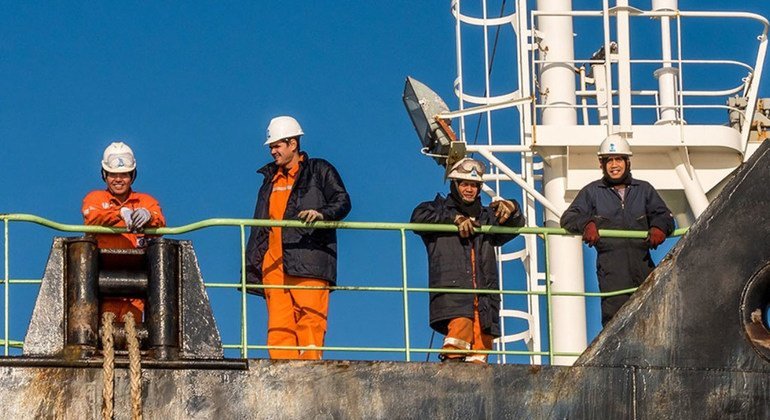

No Precedent for Seafarers Caught in War Zones in the Post-WW2 Era
In recent years, the maritime industry has seen its fair share of upheaval, particularly regarding seafarers caught in war zones. The effects of global conflicts extend far beyond the battlefield, posing unique challenges to this vital sector. This article explores the unprecedented plight of seafarers in war zones since World War II and examines the implications for the industry, policymakers, and international law.
The Evolution of Maritime Conflict
Historical Context: Post-WW2 Developments
Post-World War II, the maritime landscape transformed significantly. The establishment of international laws and conventions, such as the United Nations Convention on the Law of the Sea (UNCLOS), sought to protect various aspects of maritime operations. However, the emergence of regional conflicts and geopolitical tensions has repeatedly tested these frameworks.
Current Conflicts: A New Era for Seafarers
The modern era sees unresolved conflicts in regions such as the Middle East, Eastern Europe, and parts of Africa, leading to a growing concern for merchant vessels operating in or near these zones. Unlike previous conflicts that had clear boundaries, modern warfare often sees non-state actors and unconventional tactics, complicating the protection of seafarers.
The Risks Faced by Seafarers
Hostility at Sea: The Threat of Piracy and Attacks
Today, seafarers face multiple threats, including piracy, military actions, and terrorism. Unpredictable hostility in zones previously considered safe raises questions about the responsibilities of shipping companies and governments. While piracy has been a traditional danger, the intricacies of modern warfare have created additional layers of vulnerability.
Psychological Impact: Beyond Physical Threats
Seafarers not only contend with physical dangers but also face psychological stressors. Traumatic experiences during conflicts can lead to long-term mental health issues. These challenges necessitate immediate attention from employers, unions, and health professionals.
Legal Frameworks: Protection and Accountability
International Maritime Law: Gaps and Challenges
While international maritime laws exist to protect the rights and safety of seafarers, significant gaps remain concerning responsibilities in war zones. Shipping companies are often left navigating murky waters when determining liability for incidents involving their crews.
The Role of Governments and Navies
Governments must step up to ensure the safety of their nationals working at sea. This includes providing emergency assistance and establishing protocols for evacuating seafarers in conflict situations. Additionally, navies around the world need to reconsider their policies related to protecting merchant vessels operating in high-risk areas.
Shipping Companies: Ethical Obligations
Corporate Social Responsibility in Maritime Operations
Shipping companies need to adopt robust corporate social responsibility (CSR) policies that explicitly address the safety of their crews. This includes creating emergency response plans and training seafarers to handle potential threats in war zones. The industry’s reputation is at stake, and proactive measures can foster trust and loyalty.
Insurance and Risk Management
Many shipping companies remain uncertain about insurance coverage in conflict zones. The industry must collaborate with insurers to clarify policies and create comprehensive risk management frameworks. Clear guidelines will help mitigate financial losses and protect seafarers’ rights.
Case Studies: Lessons Learned from Recent Conflicts
Yemen Conflict and Its Impact on Seafarers
The ongoing conflict in Yemen has highlighted the dangers seafarers face in war zones. Merchant vessels have been caught in crossfire, leading to kidnappings and attacks. This case serves as a crucial example for the industry, emphasizing the urgent need for improved risk assessments and emergency protocols.
The Ukraine Crisis: Navigating Legal Grey Areas
The Ukraine crisis has presented complicated scenarios for seafarers. Some shipping lines have ceased operations in the Black Sea, while others struggle to navigate insurance liabilities. The situation is unprecedented and illustrates how quickly legal frameworks can be overwhelmed by evolving conflicts.
Moving Forward: Recommendations for a Safer Maritime Future
Enhancing Training Programs for Seafarers
With risks continually evolving, seafarers need updated training that includes situational awareness, coping strategies for high-stress scenarios, and conflict resolution. Continuous education can empower employees to respond effectively, enhancing their safety and well-being.
Collaborative Efforts Among Stakeholders
The maritime industry must promote collaborative efforts that include ship owners, maritime unions, and international organizations. Joint initiatives can lead to the development of standardized protocols for crew safety, emergency evacuations, and mental health support.
Advocacy for International Support
Finally, advocates must call for the international community’s support to uphold the rights of seafarers. Enhanced protection mechanisms, clearer legal frameworks, and global cooperation will help safeguard those who risk their lives daily to keep international trade flowing.
Conclusion: The Uncertain Future of Seafarers
The challenges faced by seafarers caught in war zones are unprecedented in the post-WW2 maritime landscape. As conflicts evolve, so too must responses from governments, shipping companies, and international organizations. By prioritizing the safety and well-being of seafarers, the maritime industry can navigate these uncertain waters more effectively, ensuring that those on the front lines of global trade are better protected during turbulent times.
With uncertainties on the horizon, the industry must not only accept these challenges but also actively work towards solutions that ensure the safety, rights, and dignity of the essential workforce that keeps our global economy afloat.
For more details and the full reference, visit the source link below:
Read the complete article here: https://news.un.org/feed/view/en/story/2026/03/1167224