
New Security Council Resolution Upholds Accountability for Attacks Against Peacekeepers
Introduction
In a significant move towards ensuring the safety of peacekeepers worldwide, the United Nations Security Council has adopted a new resolution aimed at upholding accountability for attacks against these dedicated personnel. This resolution highlights the necessity of protecting peacekeepers who are often at the frontline of crises, working tirelessly to maintain peace and security in unstable regions. In this article, we explore the implications, significance, and future outlook of this resolution.
Understanding the Context
The Role of Peacekeepers
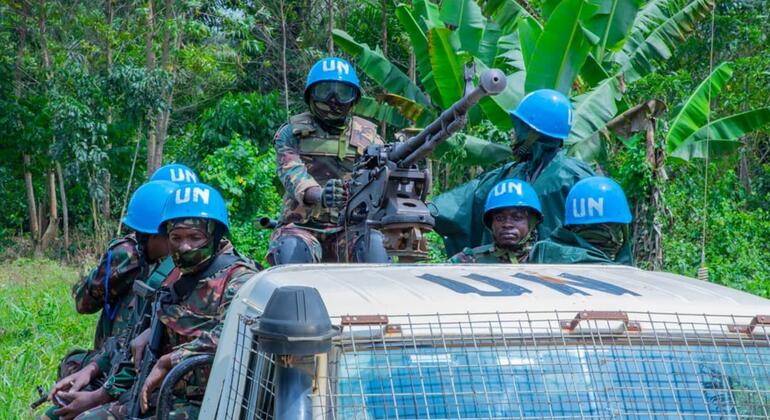
United Nations peacekeepers play a critical role in various regions around the world, from conflict zones to post-war recovery areas. They are entrusted with maintaining peace and security, often in challenging and volatile environments. However, these defenders of peace are increasingly facing threats and attacks.
Recent Trends in Attacks
In recent years, the frequency and severity of attacks against peacekeepers have escalated. In some instances, these attacks have led to significant casualties, undermining the effectiveness of peacekeeping missions. The new resolution aims to reverse this trend by fostering an environment of accountability for those who target these personnel.
Key Elements of the Resolution
Emphasis on Accountability
One of the primary focuses of this resolution is to hold accountable individuals and entities responsible for attacks against peacekeepers. By emphasizing accountability, the Security Council aims to deter future violence and ensure justice for fallen peacekeepers and their families.
Strengthening Operational Frameworks
The resolution also calls for strengthening operational frameworks to enhance the safety and security of peacekeepers. This includes providing adequate resources, equipment, and training to ensure peacekeepers can perform their duties without undue risk.
Collaboration with Host Nations
Collaboration with nations hosting peacekeeping missions is crucial. The resolution highlights the importance of cooperation between the UN and host countries to ensure local support and protection for peacekeepers. This partnership is vital for creating a more secure environment for peacekeeping operations.
Significance of the Resolution
A Step Towards Justice
This resolution represents a significant step towards justice for peacekeepers who have faced violence. By prioritizing accountability, the Security Council sends a clear message that such attacks will not be tolerated, fostering a sense of security for peacekeepers operating in high-risk areas.
Improving Peacekeeping Effectiveness
A safer environment for peacekeepers directly correlates with the effectiveness of peacekeeping operations. When peacekeepers feel secure, they can carry out their mandates more effectively, leading to improved outcomes for the communities they serve.
Reinforcing Global Commitment
The resolution reinforces the international community’s commitment to the protection of peacekeepers. It serves as a reminder that the safety of these personnel is a collective responsibility and that nations must work together to uphold their security.
Future Implications
Enhanced Security Measures
In the wake of this resolution, we can expect nations and the UN to implement enhanced security measures for peacekeepers. This may include better intelligence sharing, more robust protective gear, and improved emergency response protocols.
Potential Challenges
Despite the positive direction this resolution offers, challenges remain. Implementation depends heavily on the political will of member states and host nations. There may also be resistance from groups that oppose peacekeeping missions, which could complicate accountability initiatives.
Monitoring and Reporting
The Security Council has emphasized the need for monitoring and reporting mechanisms to evaluate the effectiveness of this resolution. Transparent reporting practices will be vital in assessing the impact of this accountability framework and ensuring ongoing improvements.
The International Community’s Role
Member State Support
For the resolution to be effective, member states must provide unwavering support. Financial resources, logistical assistance, and political backing play crucial roles in the successful implementation of measures aimed at protecting peacekeepers.
Non-Governmental Organizations (NGOs)
NGOs can serve as pivotal allies in advocating for peacekeepers’ rights and improving conditions on the ground. Their involvement in monitoring and reporting can provide valuable insights for the Security Council.
Engaging Local Communities
Engaging local communities in peacekeeping efforts is fundamental. When communities understand the role of peacekeepers and their significance, it fosters cooperation and reduces hostility, contributing to the overall safety of peacekeeping missions.
Conclusion
The new Security Council resolution marks a historic moment in the fight for the safety and security of peacekeepers worldwide. By upholding accountability for attacks against these dedicated individuals, the international community takes a crucial step towards safeguarding the well-being of those who risk their lives for global peace. As we look ahead, it will be vital for all stakeholders—nations, organizations, and communities—to work collectively towards enhancing the safety and effectiveness of peacekeeping missions. The message is clear: the protection of peacekeepers is not just a responsibility; it is a moral imperative that resonates across borders.
For more details and the full reference, visit the source link below:
Read the complete article here: https://news.un.org/feed/view/en/story/2026/06/1167789